




































































Island shoppers are being encouraged to make small changes to their supermarket habits to help improve the welfare of farmed animals.
The RSPCA has issued 3 pieces of advice ahead of World Farmed Animal Day, which takes place on Friday 2nd October.
The animal welfare charity says simple decisions over labelling, where shoppers look on supermarket shelves and the amount of animal products they buy could collectively make a significant difference.


The RSPCA says around 1billion farmed animals are reared in the UK each year, with many kept in intensive farming systems.
Emily Harris, a campaigner for farmed animals at the RSPCA, said:
“For every pet in the UK, there are 9 times as many farmed animals.
“Every single farm animal deserves a good life, but sadly, right now, most are kept in ways which mean they do not.
“That’s why this World Farmed Animal Day we are sharing 3 simple things we can all do which can improve the lives of millions of animals.
Article continues below this advertisement “So next time you are at the supermarket, take action and together let’s raise the standard for farmed animals.”


The first piece of advice is to pay closer attention to product labels rather than relying on packaging featuring countryside imagery or phrases such as ‘farm fresh’.
The charity recommends looking for welfare schemes including RSPCA Assured, as well as labels such as free-range, organic and outdoor bred or reared.
Shoppers are also being encouraged to scan the whole supermarket shelf, with the RSPCA saying higher-welfare products can sometimes be positioned on higher shelves and may otherwise be overlooked.
Its third suggestion is to make small reductions in the amount of animal products purchased.
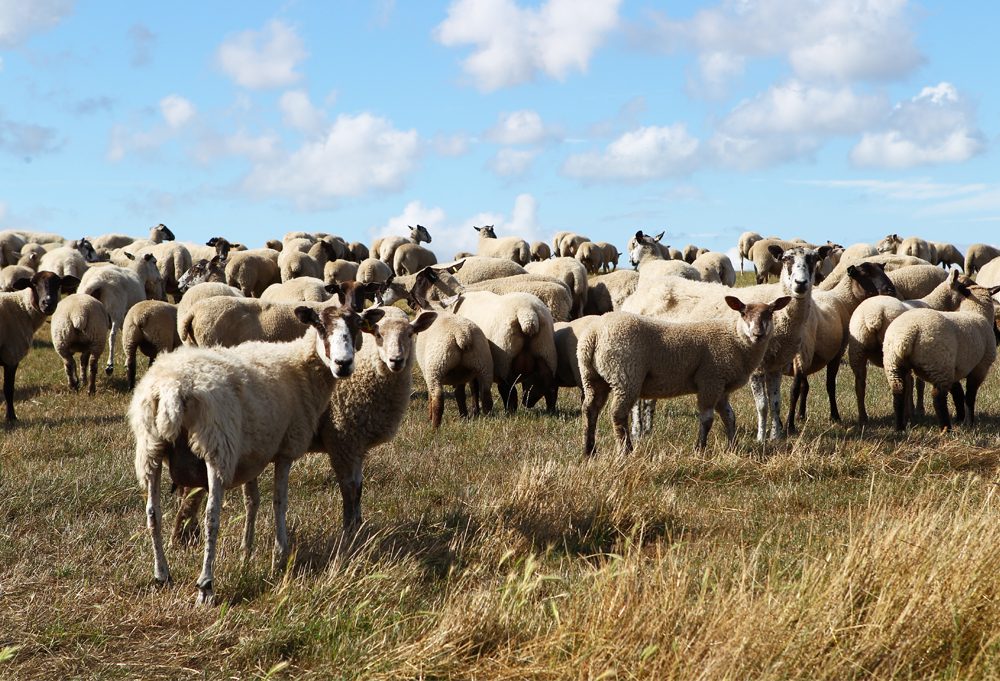
The RSPCA says University of Lincoln research suggests reducing animal product consumption by 3% a year — equivalent to around 3 fewer burgers or 7 fewer sausages annually for many people — could spare 1billion land animals from lower-welfare farming by 2050.
Emily added:
“Small, easy, everyday changes can make a real difference for farmed animals. This doesn’t require big restrictions or giving up favourite foods — it starts with small, achievable shifts.
“It’s a real surprise to many consumers that simply thinking about where they look on the shelves, cluing up on labels and making small swaps can open up lots of higher-welfare options.
“Together, savvy choices add up to real impact and results for animals.”