








































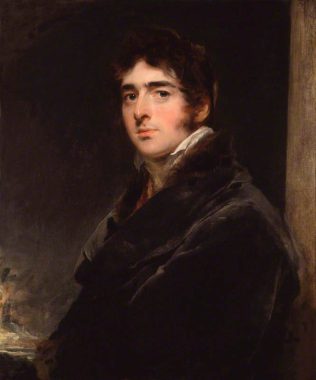
In the 3rd edition of Isle of Wight MPs, Island Echo examines the career of William Lamb – the 2nd Lord Melbourne – who became the Member of Parliament for Newport in 1827.
Lord Melbourne was 1 of 4 Newport MPs to become Prime Minister during the reign of Queen Victoria: the other 3 were Lord Palmerston, the Duke of Wellington and George Canning.
William Lamb was the 3rd member of his family to have represented the rotten borough of Newport. His father – Peniston Lamb Senior – was twice elected MP in 1790 and 1793. His brother Peniston Lamb Junior became its representative in 1793, on the resignation of his father.


At the time of the election of Peniston Lamb Snr, the constituency was in the pocket of the local Holmes family. Peniston purchased the seat for 4,000 guineas (£750,000 in today’s values).
Peniston Snr owed much of his fame and fortune to his friendship with the then dissolute Prince Regent – who later became George IV. His only known speech in Parliament was made in support of the prince. In return, in 1815, the Prince Regent created him Viscount Melbourne.
William Lamb – the future Prime Minister – was probably not the son of Peniston Snr. His paternity has been attributed to George Wyndham, 3rd Earl of Egremont, to whom he bore a considerable resemblance.
William Lamb was born on 15th March 1779 in London and educated at Eton and Cambridge University.
Lamb first came to the attention of the public in 1812 through his wife’s public affair with Lord Byron which became the talk of Britain. His wife then rubbed salt into the wounds by portraying her marriage and affair in the Gothic novel Glenarvon.

Upon his father’s death in 1828, William Lamb – henceforth known as the 2nd Viscount Melbourne – entered the House of Lords. He became Home Secretary in 1830. He was a draconian minister, sentencing the leader of the Merthyr Rising Dic Penderyn to hang, and supporting the transportation of the Tolpuddle Martyrs – who had protested the cutting of agricultural wages – to Australia in 1834.
He was also a supporter of slavery and extending the franchise to the Middle and working classes. He opposed the Great Reform Act of 1832 and called Britain’s abolition of slavery “a great folly”.
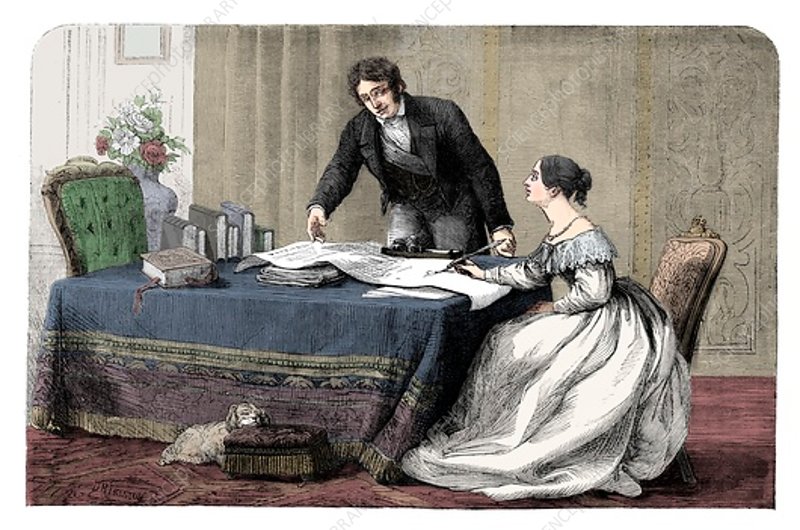
Lord Melbourne first became Prime Minister in 1834 and then again in 1835. He held this position when the then young Queen Victoria ascended to the throne in 1837. She was just 18 years old – 40 years his junior.
In 1835, Melbourne was once again involved in a sex scandal, when he was the victim of attempted blackmail from the husband of society beauty and author Caroline Norton. The husband demanded £1,400, and when he was turned down, he accused Melbourne of having an affair with his wife.
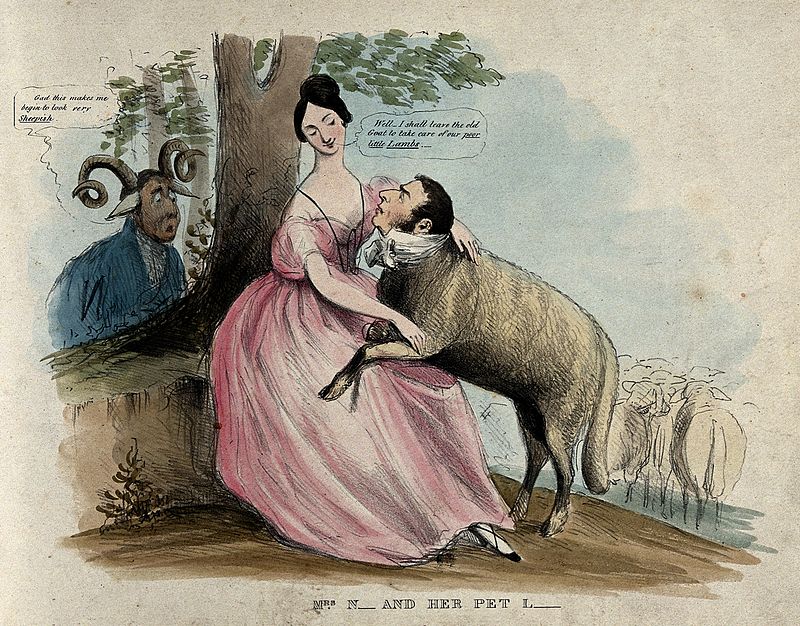
Such a scandal should have been enough to derail a major politician at that time. It is a measure of the respect that contemporaries had for his integrity that his government did not fall.
Melbourne’s sex life was far from the behaviour expected from Victorian ‘gentlemen’ and the straight-laced Queen.
The historian Boyd-Hilton has commented:
“”it is irrefutable that Melbourne’s personal life was problematic. Spanking sessions with aristocratic ladies were harmless, not so the whippings administered to orphan girls taken into his household as objects of charity”.
Victoria and Melbourne became unusually close, with the Prime Minister spending 4 to 5 hours a day either writing to her or visiting her. The Queen was reported to have said she regarded Melbourne as a father, having lost her own at the age of 8 months. She gave him his own private apartment in Windsor Castle. The relationship was so close that Victoria when out riding was hurt by the insults of the public referring to her as ‘Mrs Melbourne’.
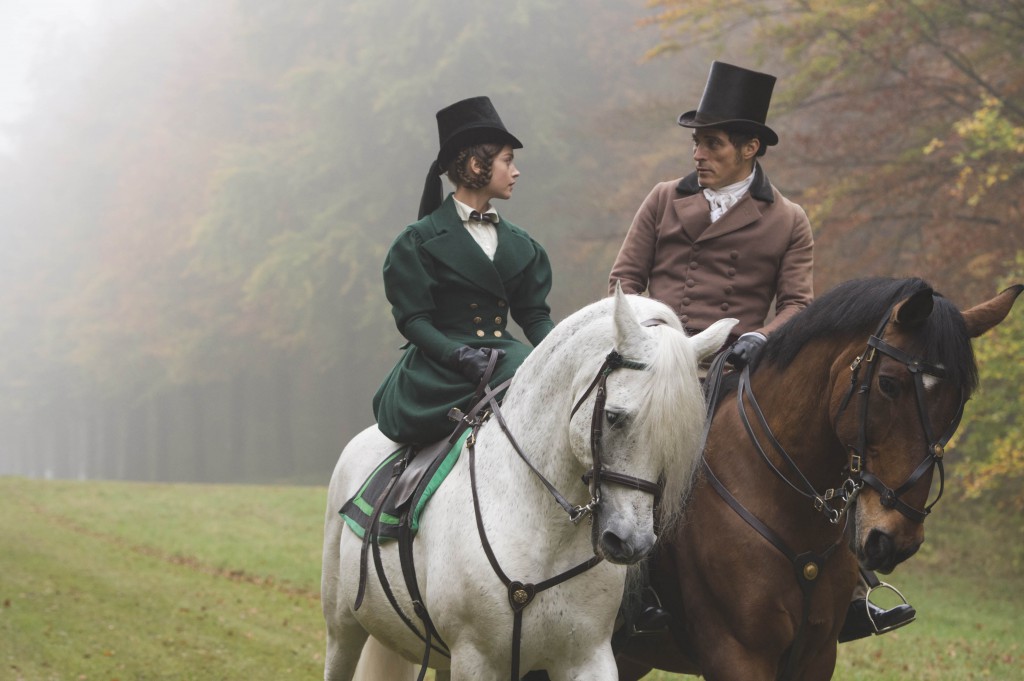
The relationship between Victoria and Melbourne has been portrayed in the period drama Victoria with Rufus Sewell in the role of Prime Minister and Jenna Coleman as the Queen.
In 1839, Victoria told Lord Melbourne of her opposition to ever marrying and expressed her reluctance to meet with her cousin Albert in that year. However, marry they did in 1840. Following her marriage, Victoria came to rely less on her Prime Minister and more on her husband.
In August 1841, Melbourne resigned as Prime Minister. Victoria continued to write to her former Prime Minister, but the correspondence eventually ceased as it was deemed inappropriate.
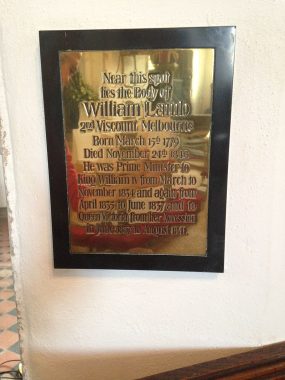
Melbourne suffered a stroke in 1842 and died in 1848 at the age of 69. He was buried at St Etheldreda’s Church, Hatfield, Hertfordshire.
The late Prime Minister is commemorated by the eponymous Australian city of Melbourne, Victoria.
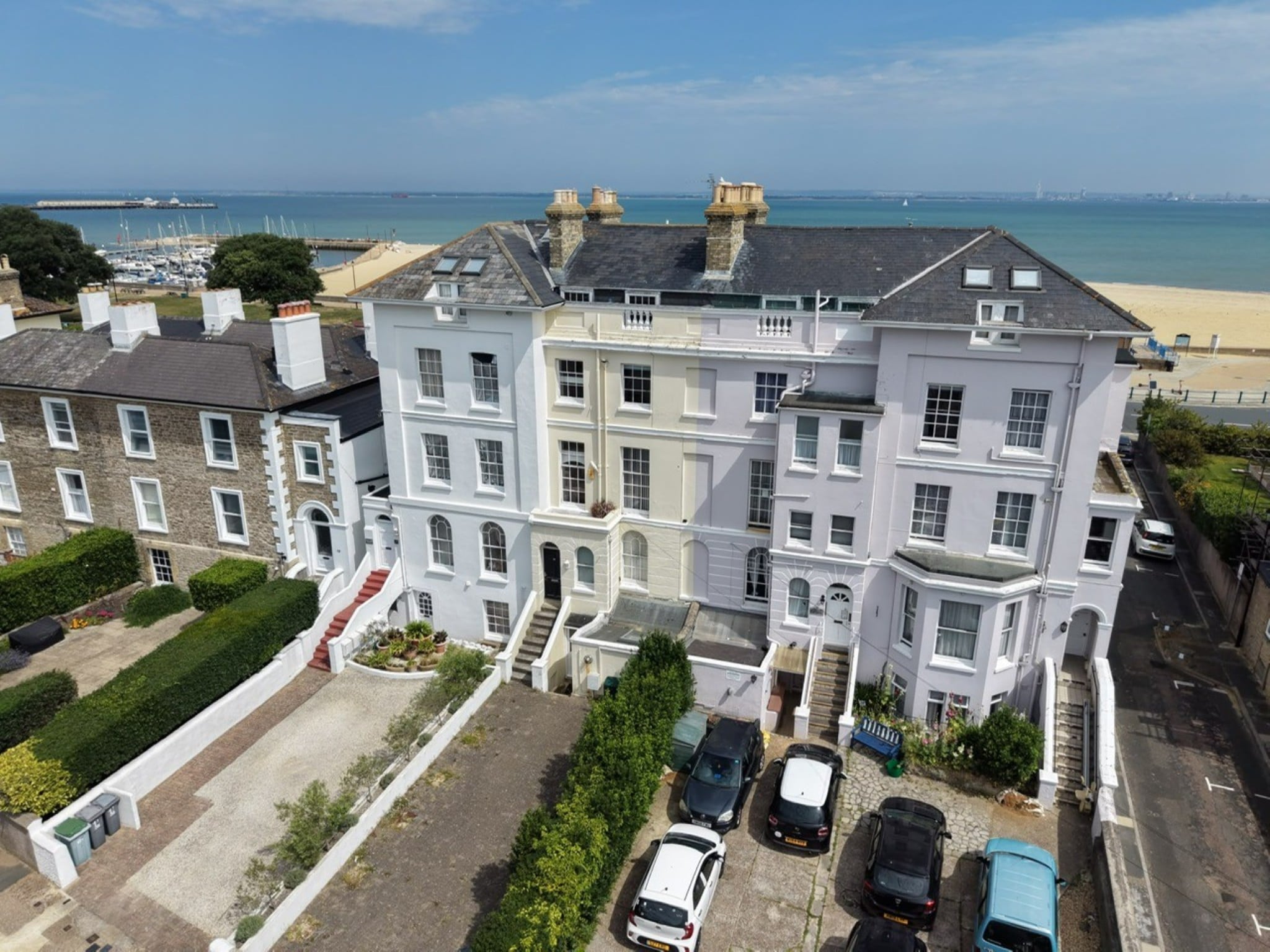
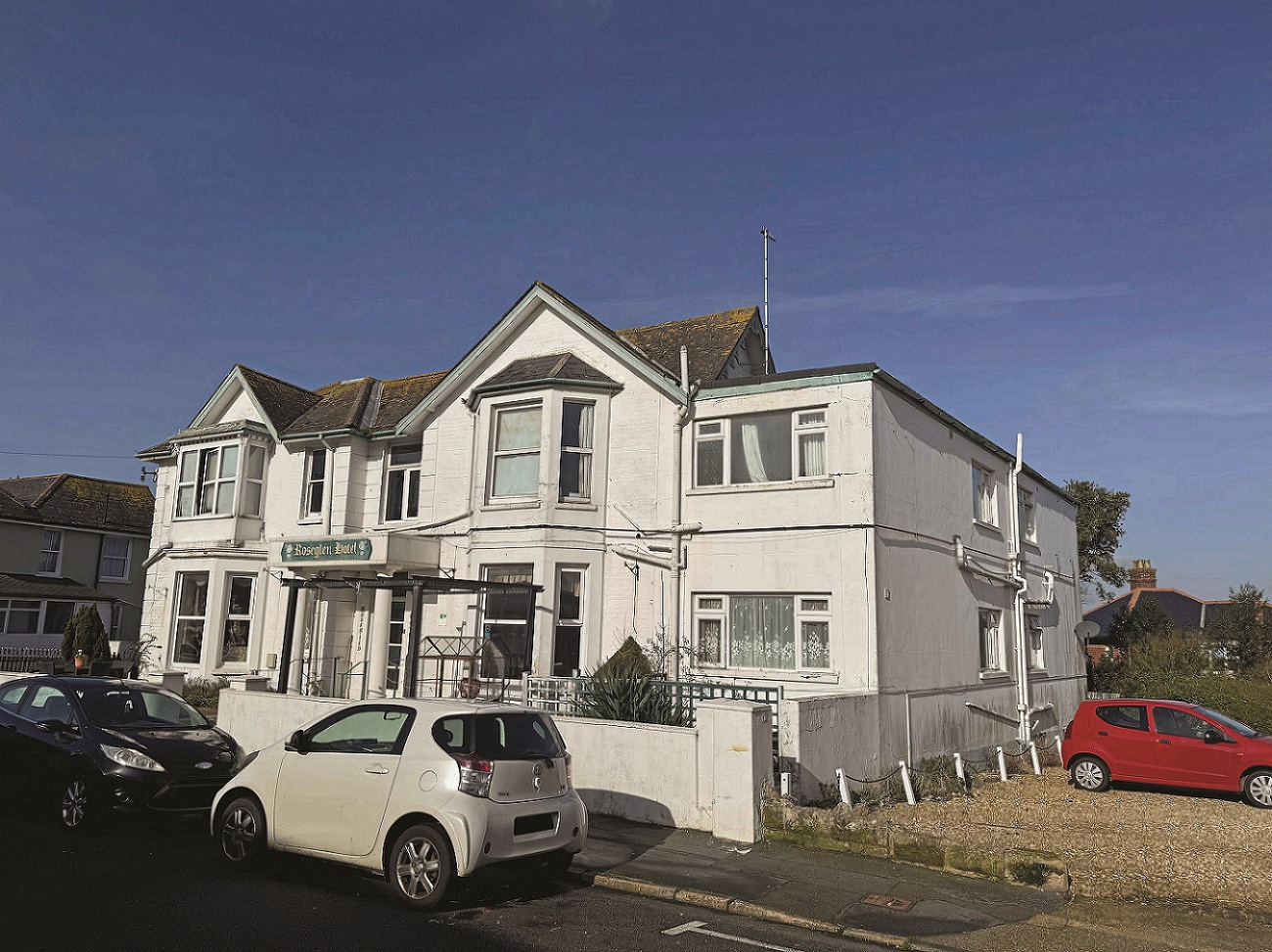
He is remembered here on the Isle of Wight by Melbourne Street in Newport and the Melbourne Ardenlea Hotel in Shanklin.








A intresting article,hopefully Islandecho will post more.
As usual a well written article, and showing how much has changed in attitudes, at least publicly, yet I expect many MP’s are still deeply strange in reality, yet are better at keeping their real views and actions hidden now.
Shame we can’t have strong MP’s who are not corrupt and who do the best for their country and it’s indigenous first and foremost before pretending to be nice, but ruining our society for their perceived ‘kind’ actions whilst none of the policies they impose on us will ever effect them or their loved ones.
He sounds like a thoroughly nasty piece of work