




















































Being the largest of England’s islands, and the United Kingdom itself being a rather small collection of islands in the grand scale of the world, the Isle of Wight is always assumed to have close ties to the sea. Its flag is a depiction of the island on the sea, with the indent representing the River Medina. Still, it’s sometimes a bit surprising how close the island holds to its maritime heritage.
While there’s a variety of events Island Echo covers for the island, it’s always the news and occasions set around the sea that catches the most attention. On 20 July, for example, news broke that three exceptionally rare shipwrecks off of the Isle of Wight had been granted the highest level of protection, on the advice of Historic England.
Many places around the UK have almost shed their heritage, becoming much more urbanised and tech-driven, and yet, even with the development on the Isle of Wight, the connection to its heritage remains strong.

Tied to the sea
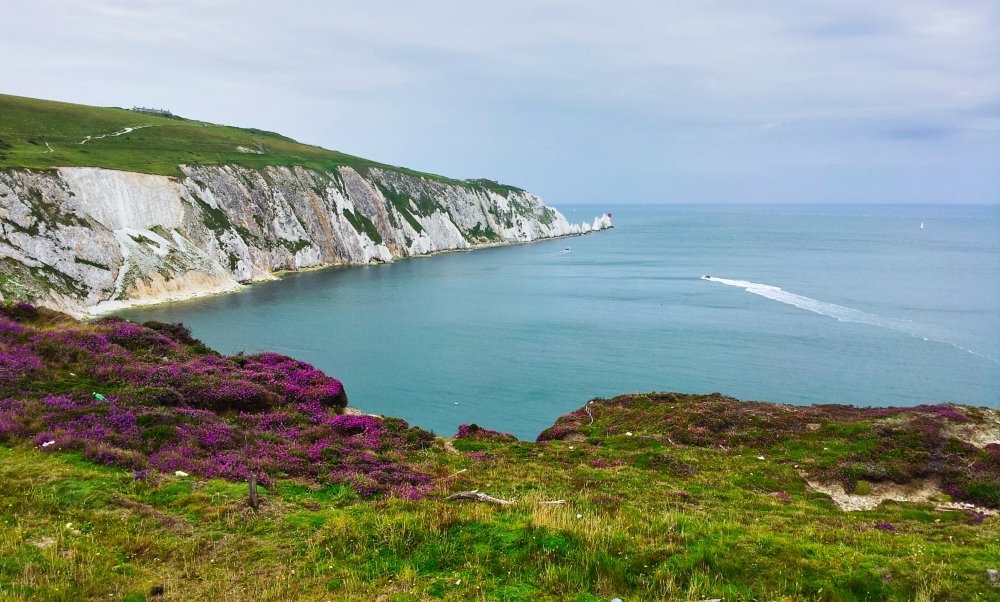
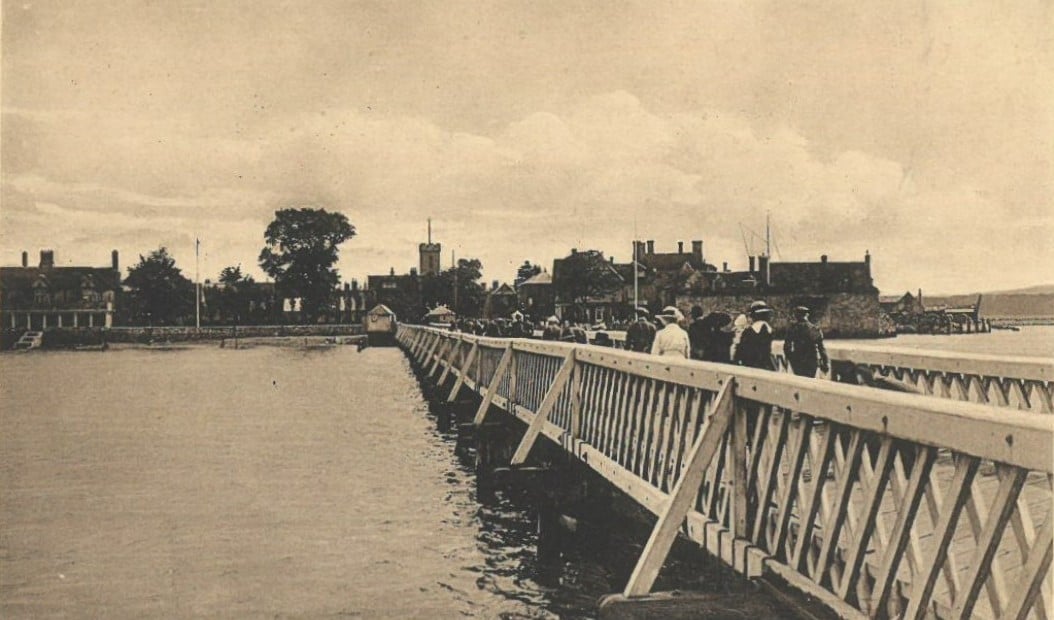
As with much of the British Isles, the Isle of Wight’s history is drenched in invasions of seafaring nations. The Romans came and occupied, per Maritime Heritage, and under the rule of Wessex, the island was regularly raided by Vikings. Once England became a reality, the Isle of Wight rose to prominence for its strategic positioning in the sea. In the 1500s, battlements helped to repulse the French and the famed Spanish Armada, leading to further fortification.
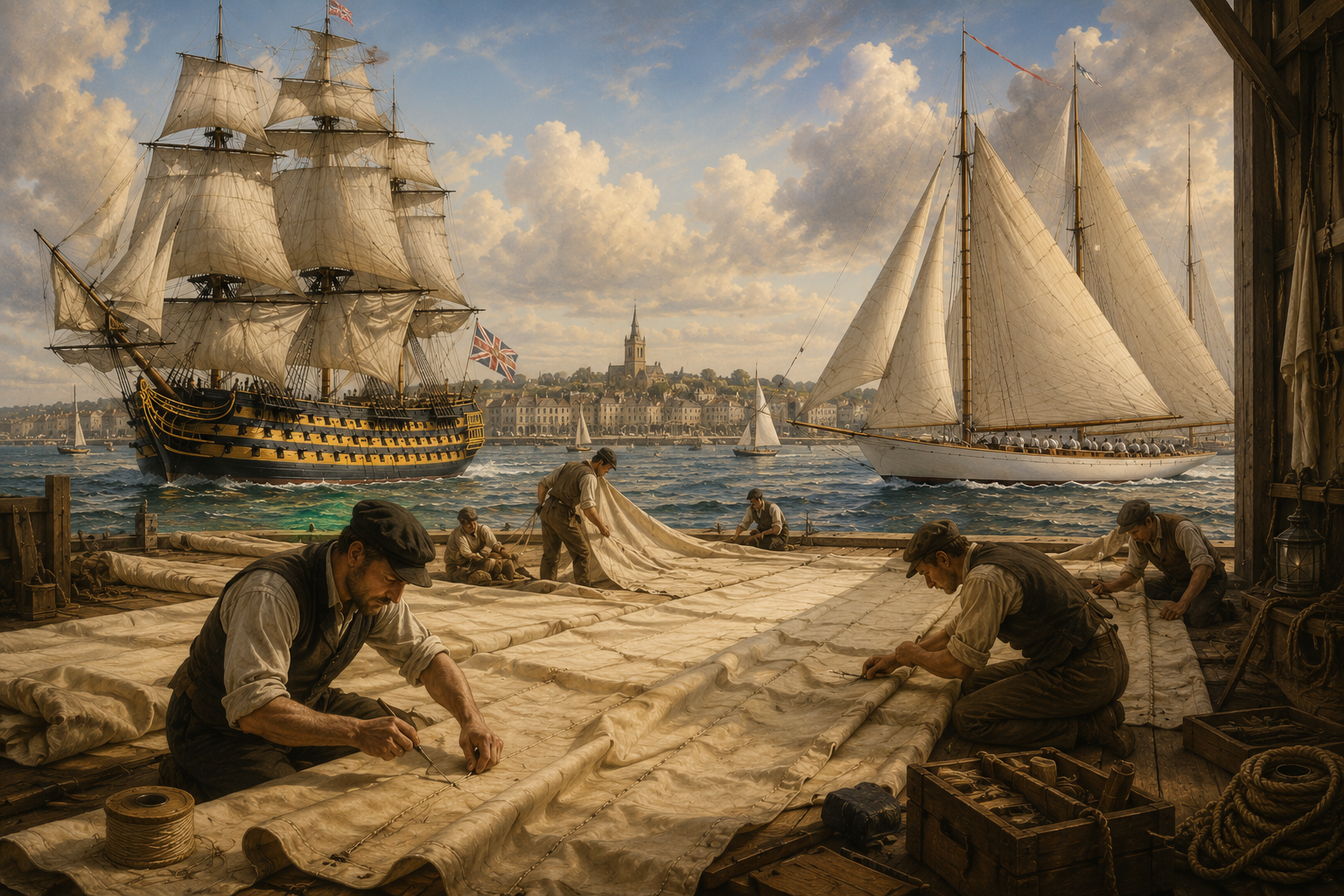
In the modern economy of the Isle of Wight, its ties to the sea are still prevalent. While health, accommodation and food services, and retail are in the report Varbes made for the 2019-20 Isle of Wight economy as the main contributors to GDP, there remains a place for maritime-centric business. Tourism is, of course, a major industry, but British Services found that maritime heritage still supports key parts of the economy. Including sailcloth manufacturing and boat-building, the Isle of Wight is still a contributor to Britain’s maritime industries.
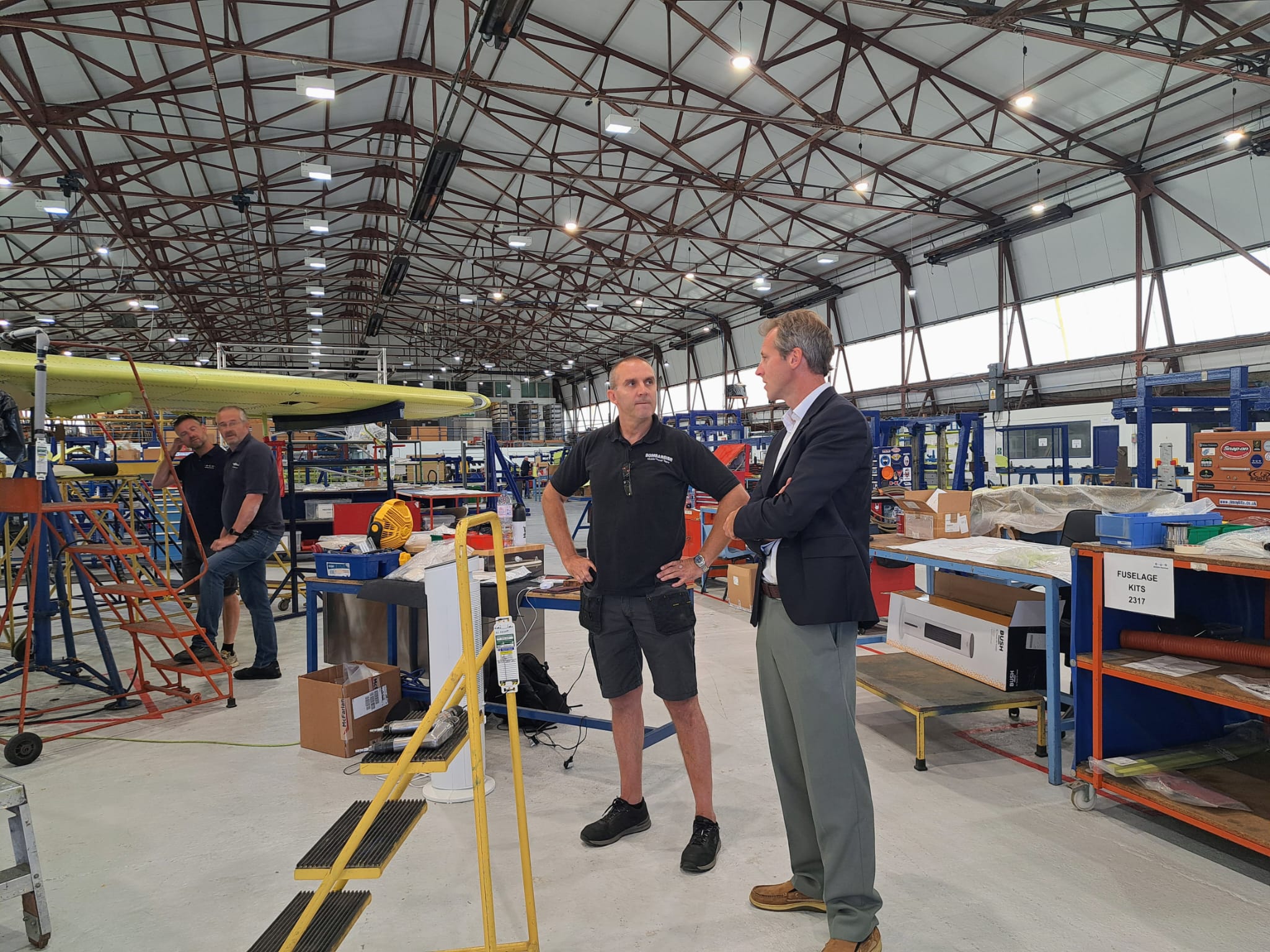
This isn’t to say that the Isle of Wight is purely an island for creating and fixing boats, as well as welcoming holidaymakers; the Island Technology Park proves that business has modernised. As detailed by Business Hampshire, the £12 million development introduced a new training facility, is fully serviced, and has lots of flexible business spaces. Crucially, though, it’s also become the home of the Centre of Excellence for Composites, Advanced Manufacturing, and Marine Technology from the Isle of Wight College.
The maritime theme continues to run through the veins of the Isle of Wight economy, powering businesses and some educational programmes. It’s even a big part of how people who live on the island and tourists want to spend their time, from soft ties to taking to the waters surrounding the coast.

Having fun with the maritime theme

The biggest draw for visitors is the Festival, which annually brings some of the biggest names from the UK charts to its main stage. In 2022, Seaclose Park welcomed Kasabian, Muse, and Lewis Capaldi as headlines on the main stage, with The Kooks, Rudimental, Shaggy, and Craig David also in attendance. Still, away from a major event such as the Festival, entertainment providers are seeing sea-themed products go big on the Isle of Wight. At the online casino Betway, the Top Games tab is swarmed by slots with a distinctly oceanic theme. Poseidon: Ancient Fortunes Megaways, Adventures of Captain Blackjack, Adventures of Doubloon Island, and 15 Tridents Swift Hits remain mainstays, using either the theme of an aquatic character from Greek mythology or a classic pirate adventure. Of course, anyone who wants a more hands-on pirate experience can go to Shanklin Seafront for the adventurous golf Pirates Cove has on offer. To go one step further, where the ships partake in a modern battle for the Isle of Wight, it’s all about the Round the Island Race.
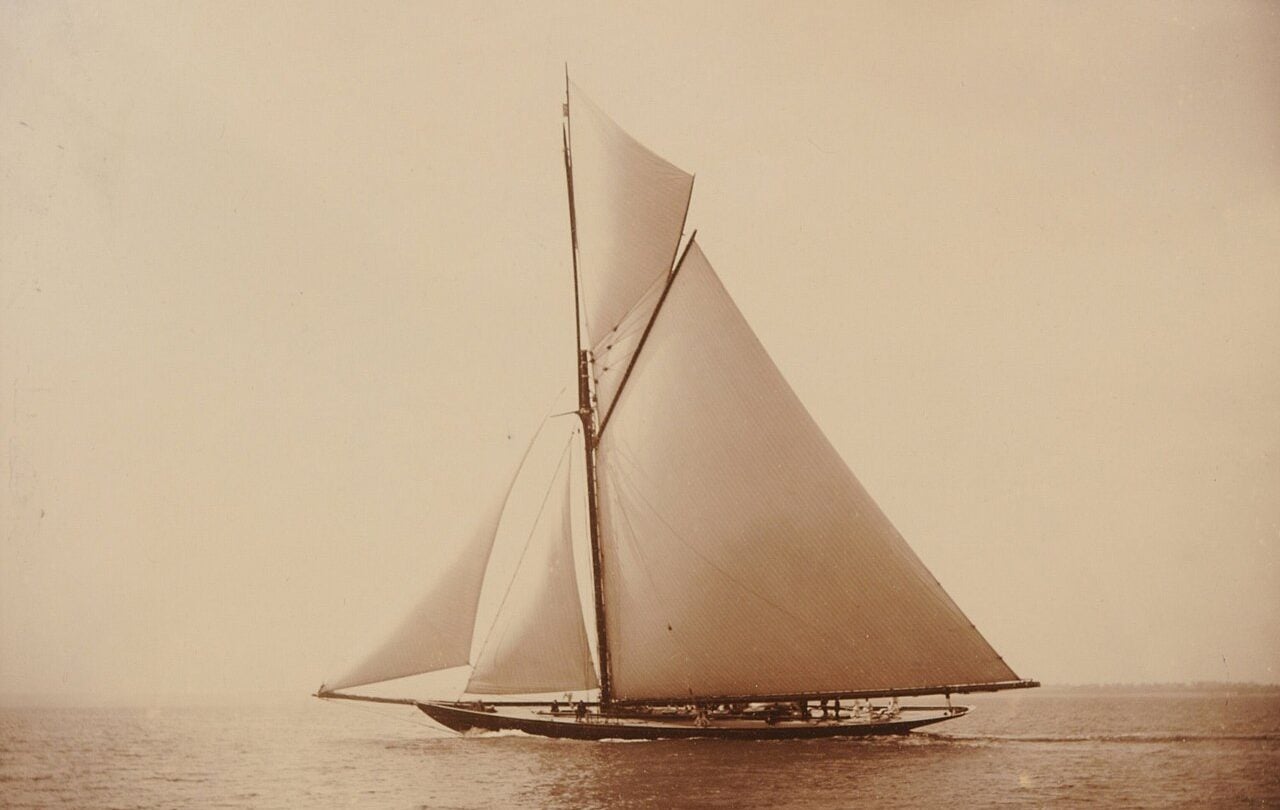
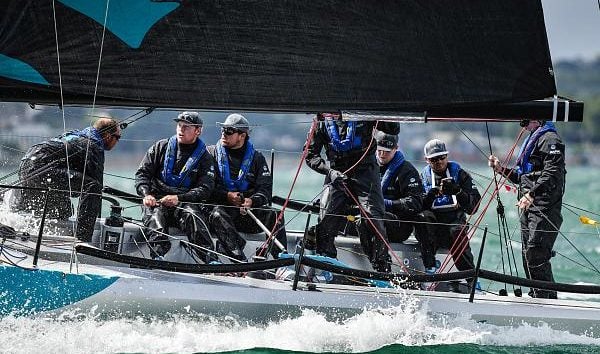
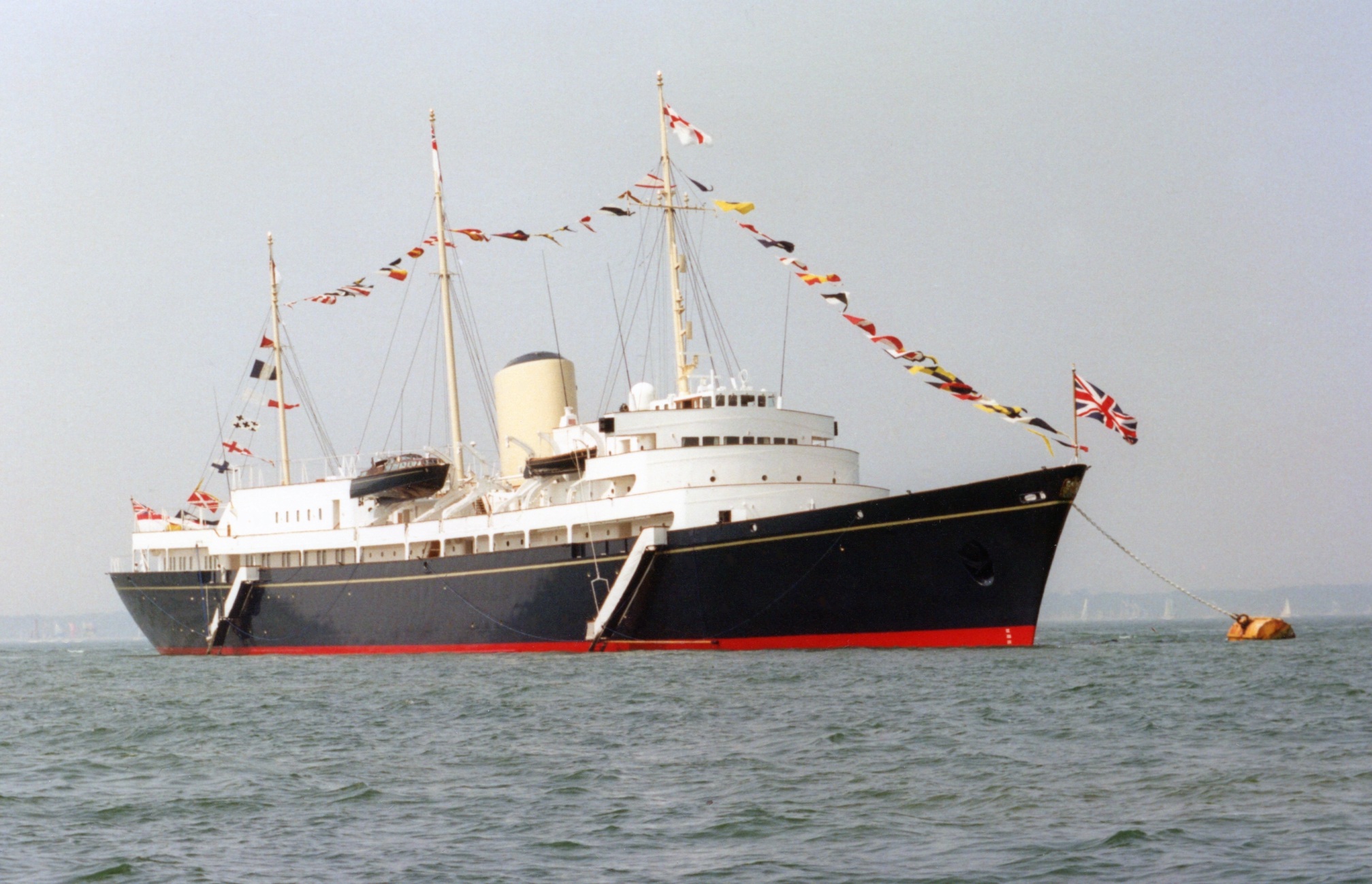
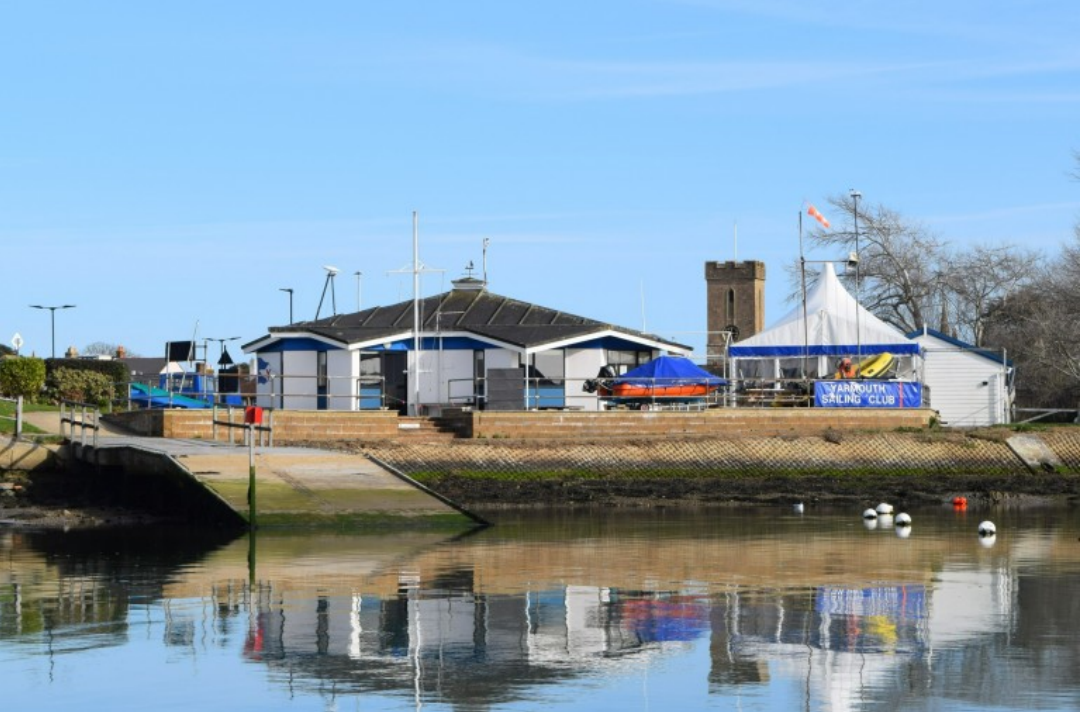
Being an island, and a continued manufacturer of boats, the Isle of Wight was always going to remain a place for sailing. There’s still a great deal of Sailing news to dig into as a resident, with the Regatta, Cowes Classics Week, and the open days held by the Royal Victoria Yacht Club all being big draws. Around them, ships of the past can be discovered, with scuba diving being very popular, lessons being available on the island, and now, there being even more shipwrecks dotted around.
Despite modernisation, the Isle of Wight continues to hold its maritime heritage dear and will hopefully continue to do so for decades to come.