
































































Concerns have been raised about the future resilience of the Isle of Wight’s Coastguard Rescue Teams after HM Coastguard confirmed volunteer officers will no longer receive remuneration for attending incidents, training exercises and operational duties from September.
The move is the latest development in a long-running worker status dispute first reported by Island Echo more than 2 years ago.
A legal challenge was brought by former Bembridge Coastguard Rescue Team Station Officer Martin Groom, culminating in a historic victory at the Employment Appeal Tribunal, which ruled that Coastguard Rescue Officers were workers under UK law because they received remuneration for their activities.


The Maritime and Coastguard Agency subsequently appealed the decision but was unsuccessful, with the Court of Appeal dismissing the challenge in January this year.
HM Coastguard has now decided to end payments to Coastguard Rescue Officers altogether, as of mid-September, a move understood to be in response to the legal judgments.
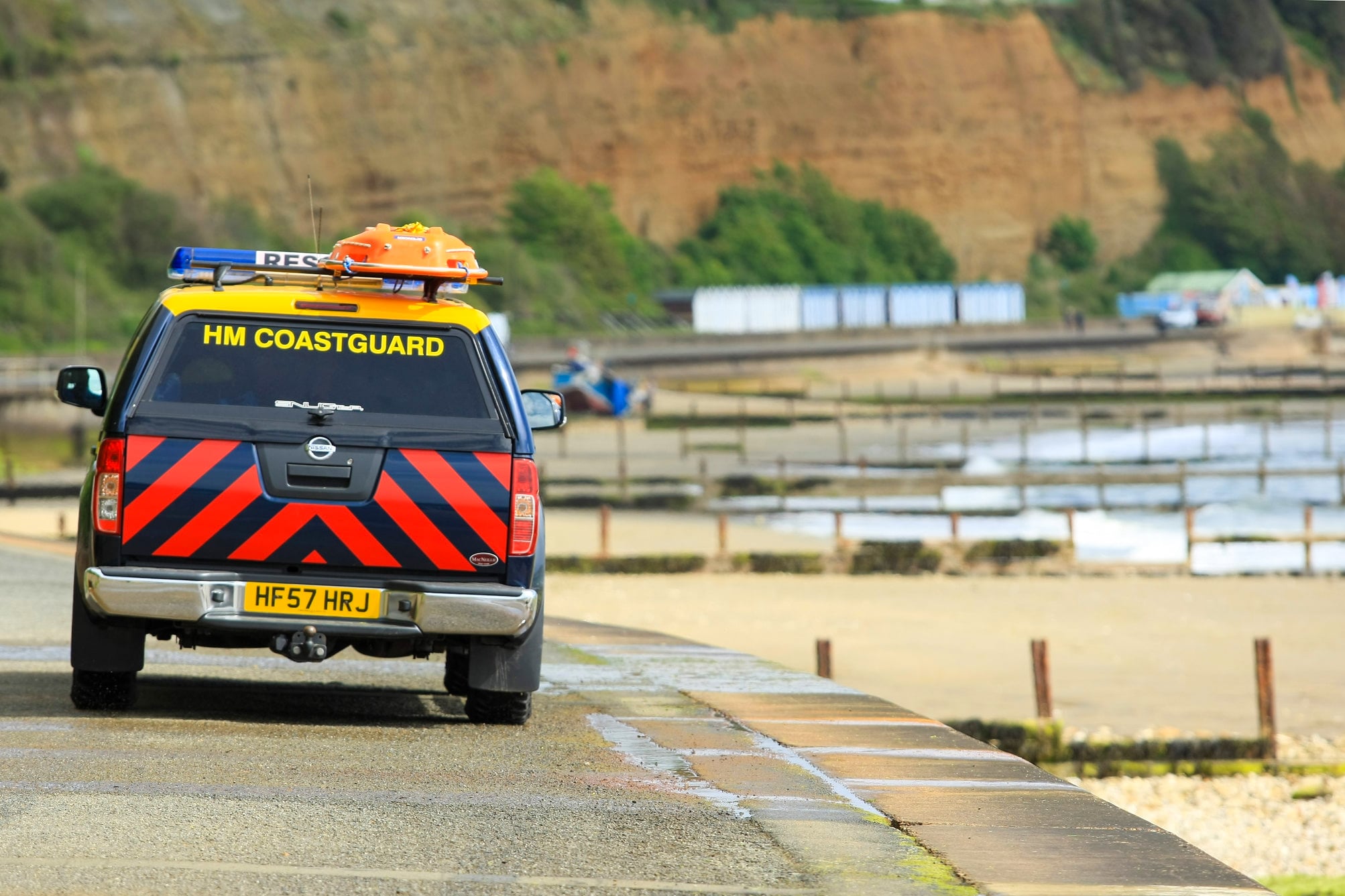
Some serving and former Coastguard Rescue Officers have warned that volunteers may leave the service, potentially impacting the ability of teams to respond to emergencies.
One volunteer said on social media:

“They ask us what we want, then shaft us. The beginning of the end of coastguard stations and a lot of lives will be lost. The cost of living crisis means no one can afford to lose wages to attend for no remuneration.”
The concerns centre on the fact that many Coastguard Rescue Officers respond to incidents during working hours, often relying on the existing remuneration arrangements to offset lost earnings and other costs associated with volunteering.
The national change all started in Bembridge, when HM Coastguard decided to ‘dismiss’ Station Officer Groom after he gave more than 30 years’ service.
Mr Groom’s membership was terminated in a meeting where a trade union official was not allowed to be present. Mr Groom claimed this was in breach of the Employment Relations Act (ERA) – but to rely on the act had to prove he was a worker and not a volunteer.

Mr Groom had served the Isle of Wight community for over 30 years, joining the service in 1985. He responded to thousands of call outs at all times of the day and night, working his way up through the ranks to lead the Bembridge team as Station Officer and in 2017 was recognised for his long service and good conduct with a 1st Clasp.
Questions are now being asked about whether teams on the Isle of Wight – based at Bembridge, Ventnor and The Needles – and elsewhere will be able to retain experienced volunteers once the payments cease.
A Maritime and Coastguard Agency spokesperson has said:
“After careful consideration, we are moving the Coastguard Rescue Service to a revised volunteer model, to best protect the future of the service.
“This decision follows a legal judgment, which means we need to change how the service operates. This new model protects choice, flexibility and the ability for people to volunteer alongside their primary employment.
“We deeply value and recognise the significant service Coastguard Rescue Officers provide along our coastline, and we will be supporting them during this transition. The Coastguard Rescue Service will continue to maintain a robust, effective search and rescue response, ensuring the highest quality of service and levels of safety.”










The Maritime and Coastguard Agency are very shortsighted to stop the allowances. Lives will be put at risk once this ridiculous decision comes into practice.
They are SO shortsighted, not mention WOKE, that they have pressurised the editor to remove two posts which upset them. The one about their Taxi service to illegal migrants (which is TRUE and embarrassing for them) and the one about Enoch.
AW diddums!
Enoch doesn’t deserve to have any more time taken up with his self righteous and racist beliefs,let him rest in whatever his peace looks like!.
Oh so true sadly as somebody who sails and knows this first class organisation is there for all sea users “what the hell do they think they are doing?”I doubt payments are huge and life changing,but their actions on UK waters are!!!.
I’m very sad to hear that the Coast Guard members will no longer be reimbursed for their skills and time helping people who need rescuing or like in my circumstances had a fall and instead of having to wait in the cold and wet for an ambulance for 3 hours was supported and kept warm and relatively pain free until an ambulance was available.