




















































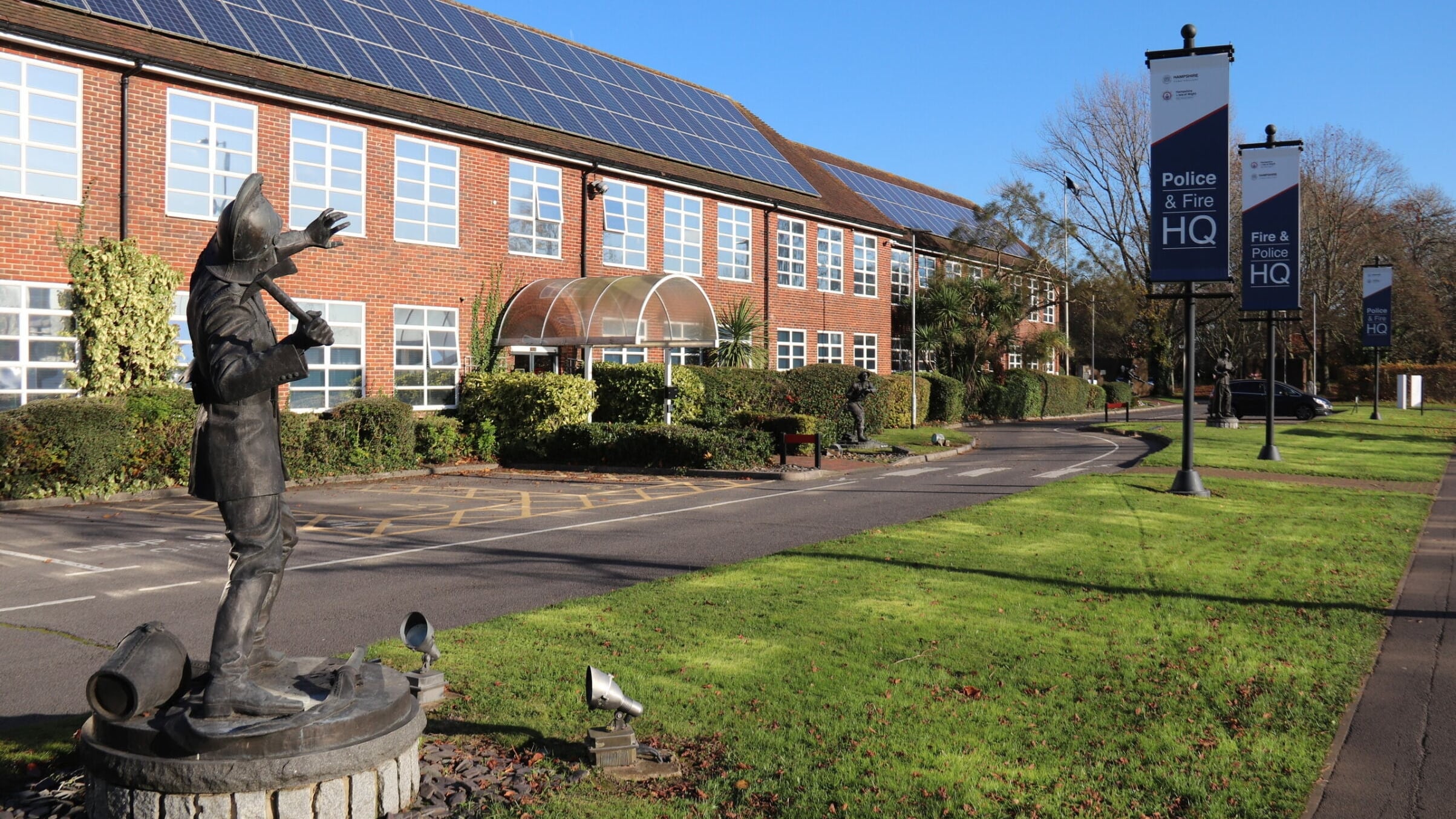

A surge in demand during recent heatwaves is placing hundreds of thousands of pounds of extra costs on Hampshire & Isle of Wight Fire and Rescue Service.
The service says the first 2 weeks of July alone generated around £160,000 in additional vehicle movements, overtime and on-call firefighter costs as crews responded to a sharp increase in incidents during the hot weather.
That figure does not include the cost of tackling the major wildfire at Headon Warren, near Totland, or a large crop fire near Titchfield.


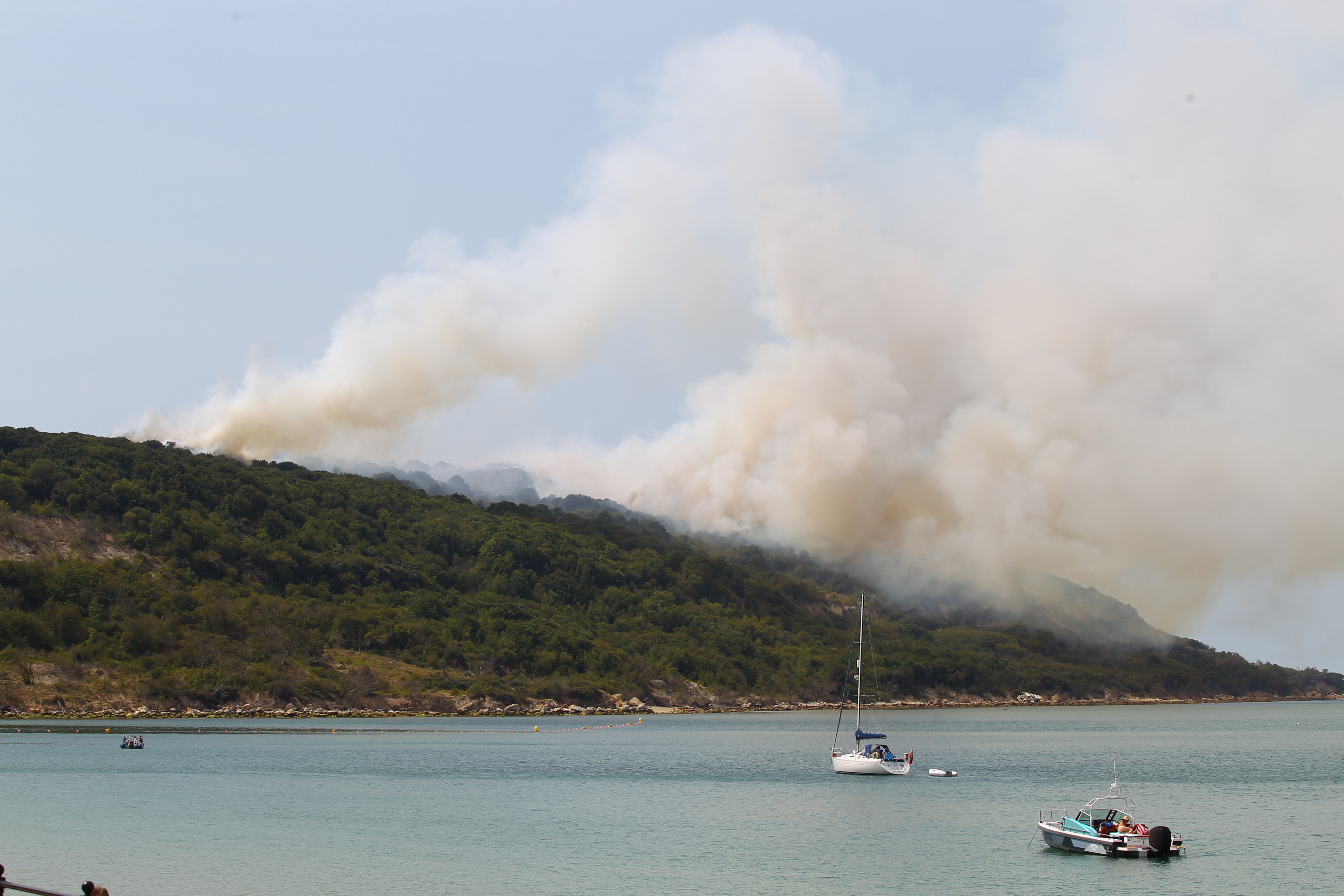
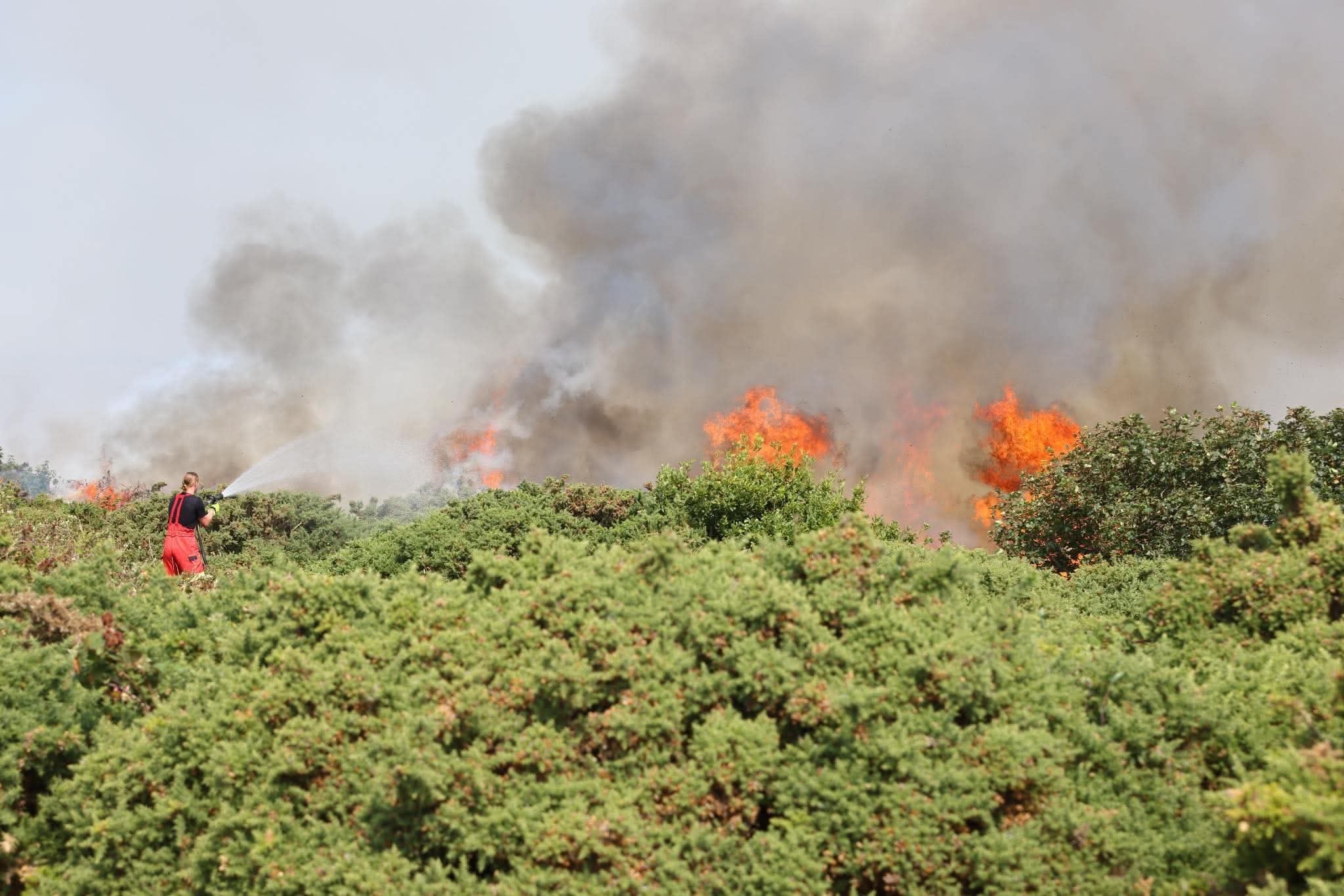
The blaze at Headon Warren scorched around 25 hectares of woodland and heath within the designated Site of Special Scientific Interest (SSSI), with firefighters remaining at the scene for 5 days before finally extinguishing the fire.
Members of Hampshire and Isle of Wight Fire Authority have this week praised firefighters, staff and partner agencies for their efforts.
Conservative councillor Fran Carpenter questioned the financial impact of major unplanned incidents such as the Headon Warren fire and asked whether the service was adequately prepared for what are expected to become more frequent events.
Her comments come as hotter, drier summers continue to increase the risk of wildfires, prompting repeated public warnings across Hampshire and the Isle of Wight in recent months.

The fire service recorded a 17% increase in fires during 2025/26, largely driven by a 54% rise in grassland, woodland and crop fires during last summer’s prolonged hot weather.
Chief Fire Officer Sabrina Cohen-Hatton acknowledged that prolonged incidents place pressure on both finances and personnel.
She said:
“It can be a challenge from a finance perspective but also from a human resource perspective as well because these are real people who are working incredibly hard to deal with these incidents and I just want to acknowledge that as part of the discussion.”
Members also heard that Isle of Wight Lord-Lieutenant Susie Sheldon had written to thank firefighters, staff and partner organisations for their response to the Headon Warren wildfire.
Deputy Chief Fire Officer Shantha Dickinson said the service’s 5-year safety plan is reviewed annually to ensure it reflects the risks facing communities.
Chief Financial Officer Rob Sarfas explained that the budget for on-call firefighters is particularly affected by the number of incidents crews attend.
Assistant Chief Fire Officer Rob Cole added that operating across the Solent presents additional financial challenges.
He said:
“It is also worth pointing out we do have an Island, and when you look at the police and other people there is a recognition that running an organisation with an Island will have travel costs.
“Some organisations receive extra money for that, but us as an authority don’t currently.”
During the meeting, councillors also called on the Government to provide greater financial support to fire and rescue services facing increasing demand as extreme weather incidents become more common.








Maybe the Government will cough up some more
money for the Fire service in light of the situation.
Logical bit highly doubtful, we are the wrong part of the country.
The Island MPs need to make it happen.