










































A strong car photograph rarely feels like it’s trying too hard. You don’t notice the setup or the editing first — you just get pulled into the scene.
A supercar sitting under streetlights after rain, reflections stretching across the road. A classic car parked somewhere quiet where everything feels still for a moment. Even modern performance cars shot low to the ground so they feel exaggerated, almost unreal. It’s not really about the vehicle on its own — it’s about the feeling the image creates around it.
That’s where car photography becomes something closer to art. And increasingly, it overlaps with how we see automotive culture online — from dream car giveaways to broader car competitions, where visuals often shape how desirable something feels long before anyone even thinks about entering or engaging.


Light, movement and the feeling behind the shot
Light is usually doing more work than people realise. Soft evening light wraps around bodywork and makes curves feel intentional, designed. Harsh daylight can strip all of that away and make even exotic cars feel functional rather than emotional.
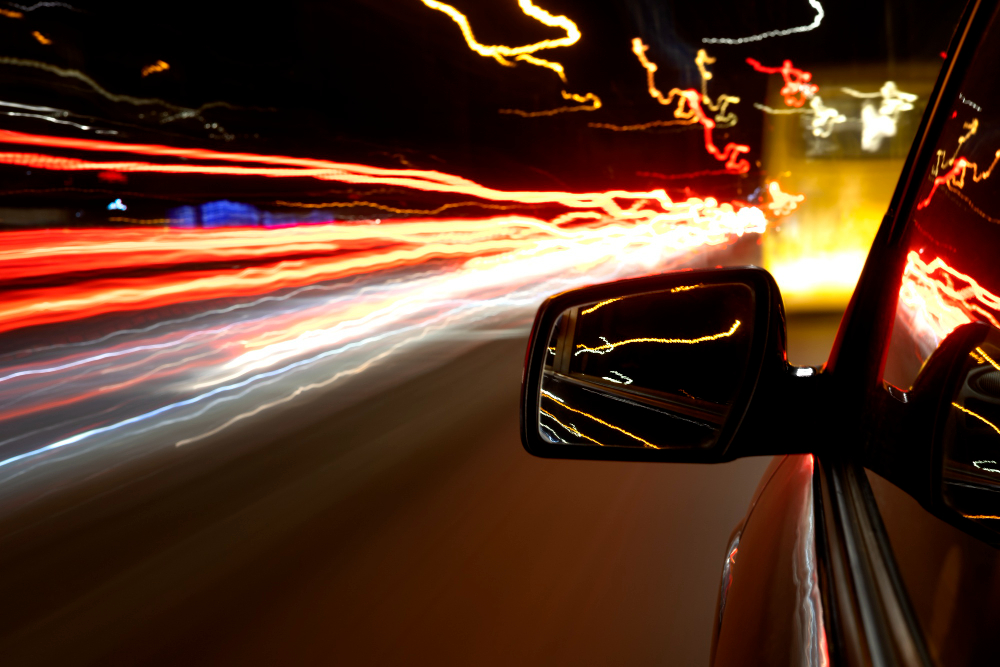
At night, the tone shifts completely. Neon reflections, wet roads, street lamps bouncing off paintwork — everything becomes more atmospheric. The car stops feeling isolated and starts feeling like part of a wider world that’s still moving.
Movement adds another layer again. A slight blur in the wheels or background doesn’t just suggest speed, it changes how you interpret the whole image. The car feels active, like it exists beyond the frame rather than sitting inside it.
This is also why automotive imagery is used so heavily in campaigns around car competitions or any space built around aspiration. Whether it’s someone casually discovering a promotion or actively thinking about how to win a car, the photography does the emotional work first. The story comes second.
Why some car images stick with you
The images you remember aren’t always the most technical ones.

Sometimes it’s just a colour against a specific sky. Or a reflection you can’t quite place. Or a framing choice that makes the car feel bigger than it is. Other times it’s the environment — empty roads, tight city corners, open stretches that feel slightly cinematic.
And in more lifestyle-driven contexts — from automotive media to campaigns built around things like win a car experiences — the goal isn’t just to show the product. It’s to create that slight pause where someone imagines themselves in that frame, even briefly.
That’s really the core of car photography art. Not accuracy. Not detail. But suggestion.
A feeling that stays a bit longer than the image itself.