



































Long before the Isle of Wight had a music festival or a single online account to log into, it had a garden on a cliff that charged people to look at it.
That garden, Blackgang Chine, opened to paying visitors in 1843, and it is still trading today, which makes the Island home to one of the oldest paid attractions in the country. The story of how a Victorian cliff-top novelty turned into 180 years of seaside entertainment says a good deal about how the Island has always made its living: by selling fun to people who arrive by boat.
The cliff garden that started it all
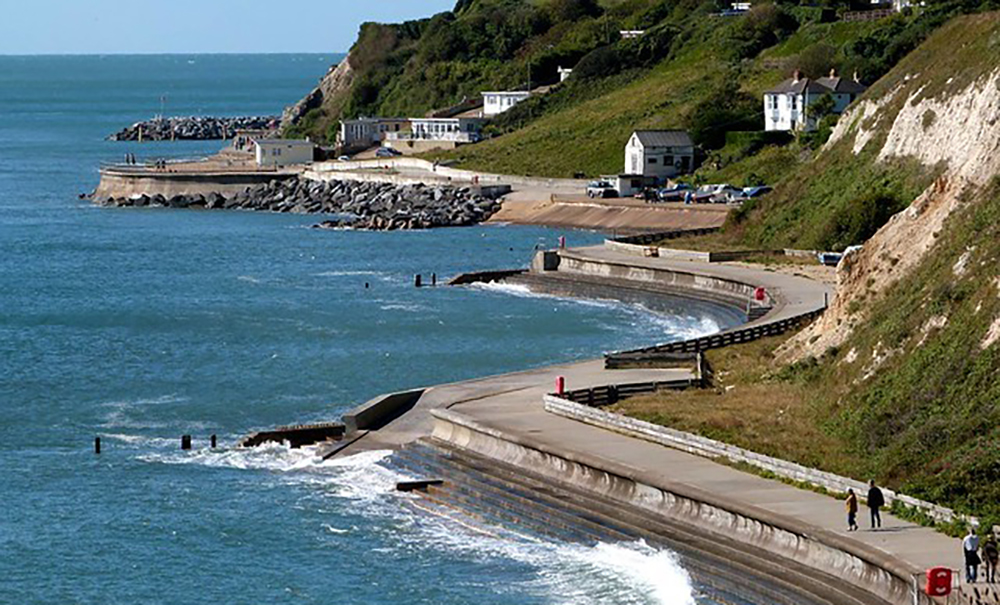
Alexander Dabell laid out Blackgang Chine as an ornamental garden above the south-west coast in 1843, planting it around a dramatic ravine and the bones of a whale that had washed up nearby. Visitors paid to wander the paths and take in the scenery.


Coastal erosion has chewed at the site ever since, swallowing whole sections across the decades, and yet the park has kept shifting its attractions inland and kept its gates open. Very few businesses anywhere can say they have been entertaining the public for that long.
When the Island became fashionable
What turned a single cliff garden into an industry was Queen Victoria. She bought Osborne House at East Cowes in 1845 and made the Isle of Wight respectable, even aspirational, for the Victorian middle classes.
Paddle steamers carried day-trippers across the Solent, and the resorts grew to meet them. Ryde, Sandown, Shanklin, and Ventnor filled with boarding houses, bandstands, and pleasure piers. The seaside holiday, the sort of thing ordinary families saved up for all year, was being invented in places like these.
The seafront and the slot machine
The piers and promenades needed something to do once the novelty of the sea wore off, and the answer was the amusement arcade.
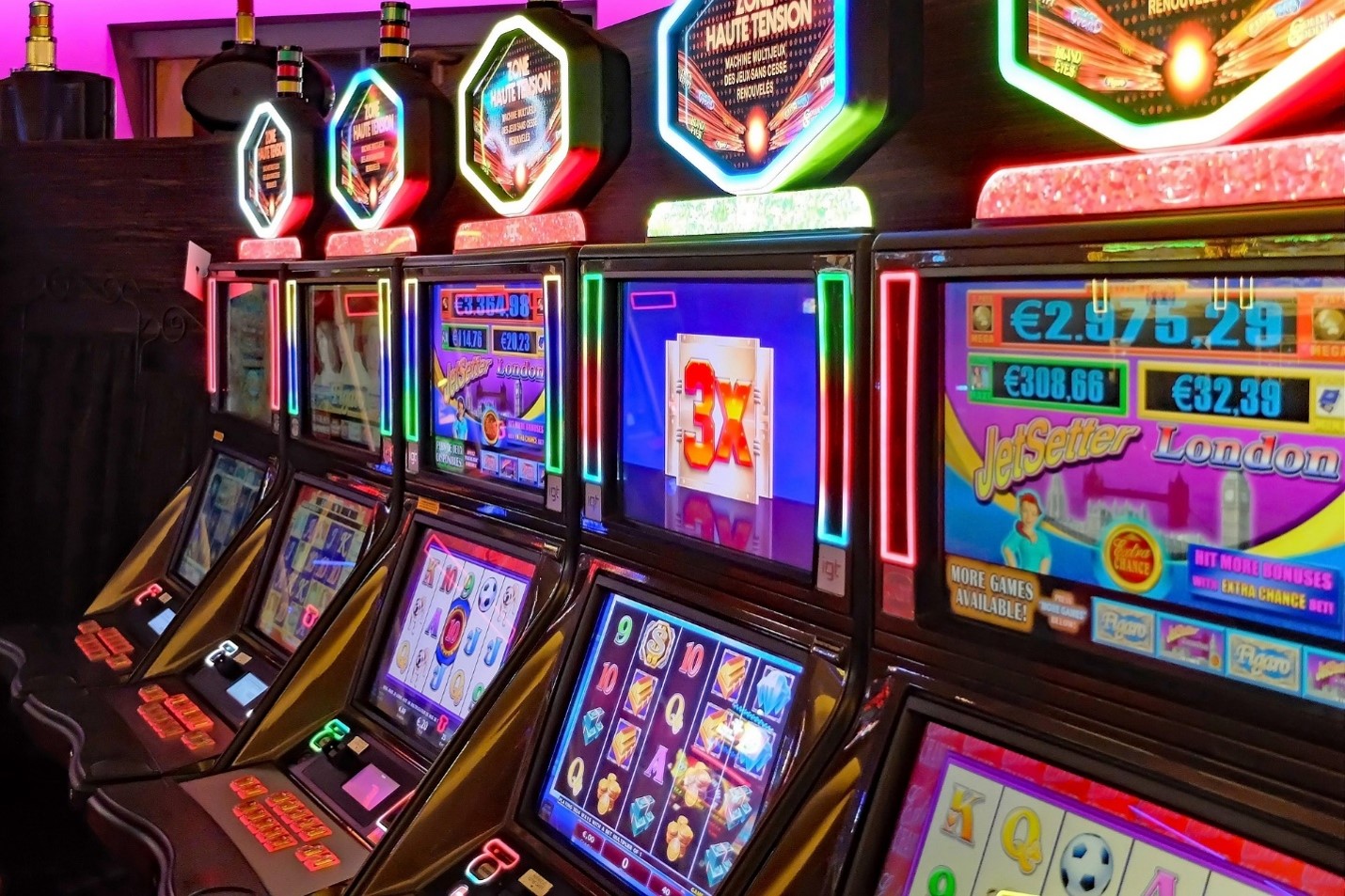
The earliest machines were mechanical curiosities: mutoscopes that flicked through photographs for a penny, fortune-tellers in glass cases, and test-your-strength dials. The one-armed bandit arrived later and never really left. For most of the twentieth century, an Island holiday meant a paper bag of loose change feeding the machines on Sandown or Shanklin front while the rain came in sideways off the Channel.

Walk the seafront now and most of those arcades are shuttered. The machines did not vanish, though. They moved online, and casino.net is one of the sites that reviews where they ended up. The penny falls and fruit machines that once lined the promenade have given way to apps and websites, and the habit of dropping a coin to fill a wet afternoon has followed the same route out to sea as almost everything else the Island used to do in person.
From a field at Afton Down to Bestival
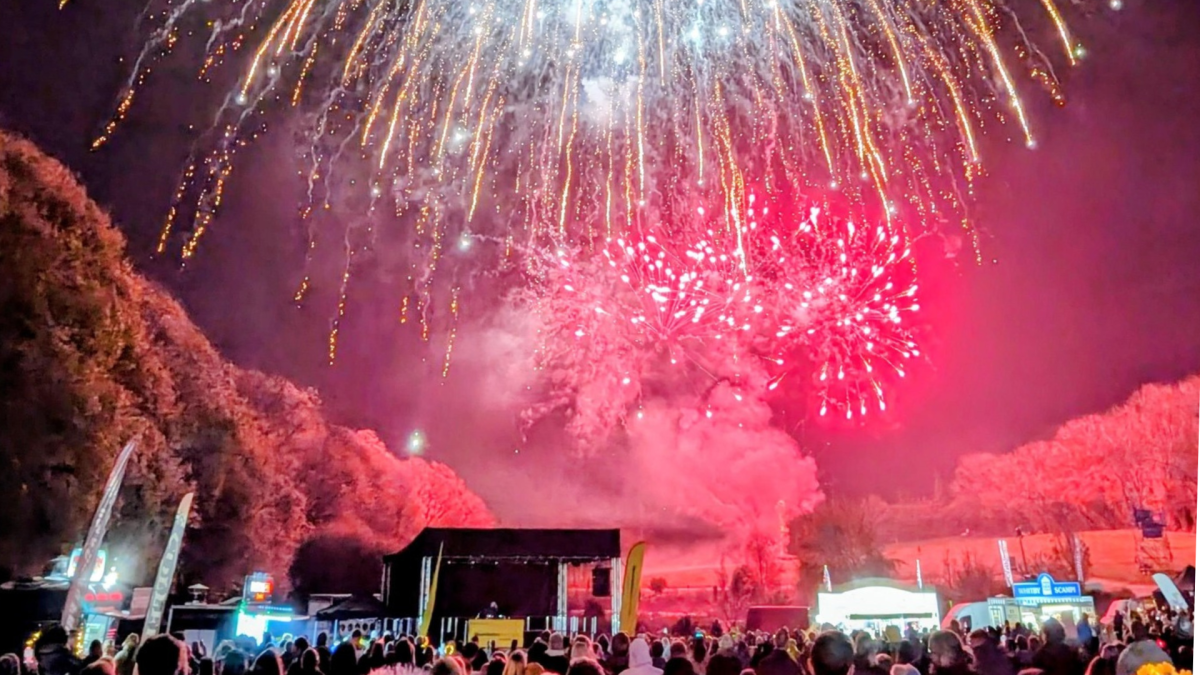
The Island’s boldest experiment in selling fun came in 1968, when the first Isle of Wight Festival was held near Godshill. It grew at a frightening pace. By 1970, the event had shifted to Afton Down and pulled in a crowd estimated at somewhere between half and three-quarters of a million people, bigger than Woodstock, and large enough that Parliament passed a law the following year to stop gatherings of that scale happening again without a license.
The festival then went quiet for more than three decades before being revived in 2002: isleofwightfestival.com.
A second festival, Bestival, was started by DJ Rob da Bank in 2004 and ran at Robin Hill for more than a decade, dressing the crowd in fancy dress and building a name that travelled well beyond the Solent, before it left the Island for Dorset in 2017. For a few summers, the Isle of Wight was once again the place the rest of the country came to in order to enjoy itself.
The same trade, different machines
Lay 180 years end to end and the pattern is hard to miss. The Isle of Wight has always been in the business of giving visitors somewhere to spend a few hours and a few coins, whether that meant a whale skeleton in a garden, a row of machines on the front, or a field full of tents.
The venues keep changing, and some of them have left the Island altogether. The instinct to come over the water and have a flutter on the day has not gone anywhere at all.