































































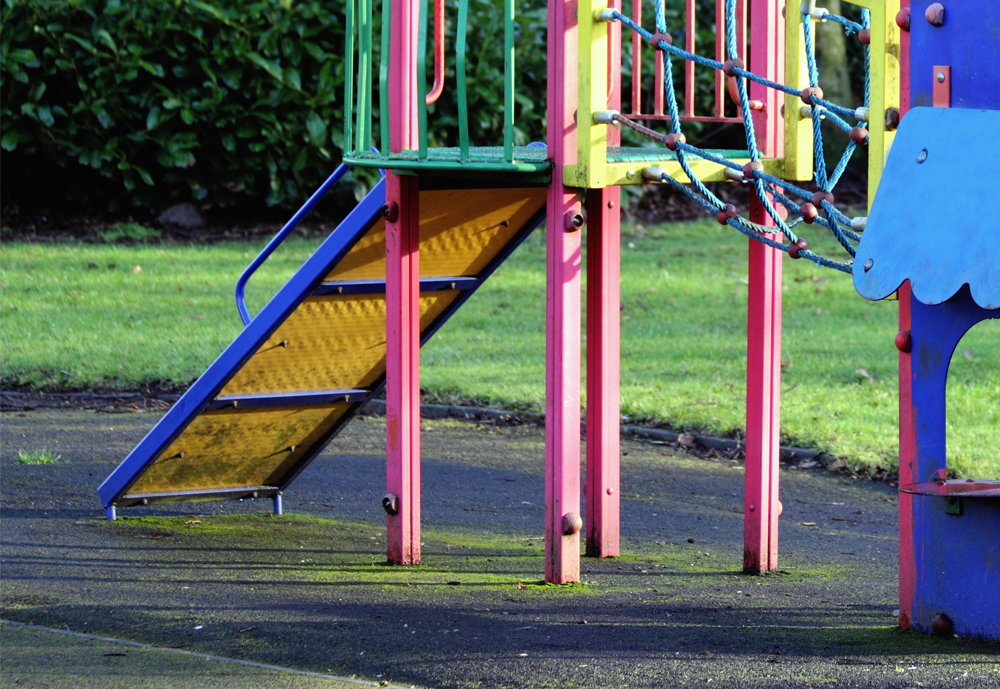

The Importance of Playgrounds in Schools
A school playground holds a very special place in the lives of children. It is far more than a simple area where children let off some steam or expend their excess energy. In fact, a school playground is a veritable microcosm of society, a critical space where children learn to socialise, resolve conflicts, develop their physical skills, stimulate their imagination, and much more.
In the United Kingdom, strict safety standards and regulations govern playground equipment to ensure the wellbeing of children. These standards, known as BS EN 1176 and BS EN 1177, have been put in place to guarantee that playgrounds not only serve as a safe haven for children’s play but also as an environment that stimulates and enhances their development. This article will provide an in-depth guide to the critical considerations when choosing playground equipment for schools in the UK.
1. Delineating the Various Types of Playground Equipment
Well-designed school playground equipment will feature a diverse range of activities, each catering to different facets of a child’s development.


1.1 Climbing Equipment: Developing Physical Skills
Climbing equipment typically encompasses monkey bars, climbing walls, rope ladders, and jungle gyms. This category of playground equipment primarily aids in the development of children’s physical attributes, such as their strength, agility, and coordination. Moreover, climbing equipment also enhances problem-solving skills as children navigate their way to the top.
1.2 Playhouses and Imaginative Play Equipment: Fostering Creativity and Social Skills
Playhouses and imaginative play equipment like pretend kitchens, cars, and ships play a crucial role in sparking creativity and imagination among children. These pieces of equipment provide children with the backdrop they need to immerse themselves in imaginative scenarios, thereby aiding their cognitive and social development. They learn how to socialise with their peers, negotiate, and cooperate, all within the context of having fun.
1.3 Swings, Slides, and See-saws: Building Balance and Spatial Awareness
Swings, slides, and see-saws are traditional pieces of playground equipment that provide fun, thrilling experiences while simultaneously developing balance and spatial awareness. The motion of swinging, for instance, can help children understand the principles of cause and effect, while also enhancing their sense of balance.
1.4 Sensory Play Equipment: Encouraging Exploration
Equipment such as sand and water tables, musical instruments, and textured paths provide sensory experiences, stimulating children’s curiosity and encouraging them to explore and understand the world around them. They promote cognitive growth, language development, problem-solving skills, and social interaction.
2. Age-Appropriateness: A Key Factor in Selecting Equipment
Selecting equipment that is suitable for the children’s age group is a critical factor to ensure their safety and to provide them with appropriate developmental challenges.

2.1 Early Years (ages 3-5)
For children aged between 3 and 5, playground equipment should focus on facilitating the development of their basic motor skills, alongside promoting imaginative play. This might include low platforms with multiple ways up and down, simple swings, and sensory play equipment.
2.2 Key Stage 1 (ages 5-7)
Children within this age group can handle slightly more complex playground equipment. Therefore, it would be suitable to introduce climbing frames, slides, and creative play equipment such as playhouses.
2.3 Key Stage 2 (ages 7-11)
For children aged between 7 and 11, playground equipment should provide a higher level of physical challenge. This could be fulfilled by taller climbing frames and more complex rope structures. Additionally, equipment that promotes group play, such as large swings or see-saws, could be highly beneficial.
3. Inclusive Playground Equipment: Catering to All Abilities
Inclusivity should be at the heart of every playground design. This involves the inclusion of playground equipment that is accessible to children of all abilities. For instance, accessible play panels, low-level playhouses, wide slides, and inclusive swings can facilitate the inclusion of children with physical disabilities in playground activities.
4. Adhering to Safety Standards and Regular Maintenance
Compliance with the UK’s safety standards (BS EN 1176 and BS EN 1177) is non-negotiable when selecting playground equipment. Regular maintenance checks should also be carried out to ensure the continuous safety and durability of the playground equipment.
5. Considering Playground Layout: A Key Factor in Safety and Accessibility
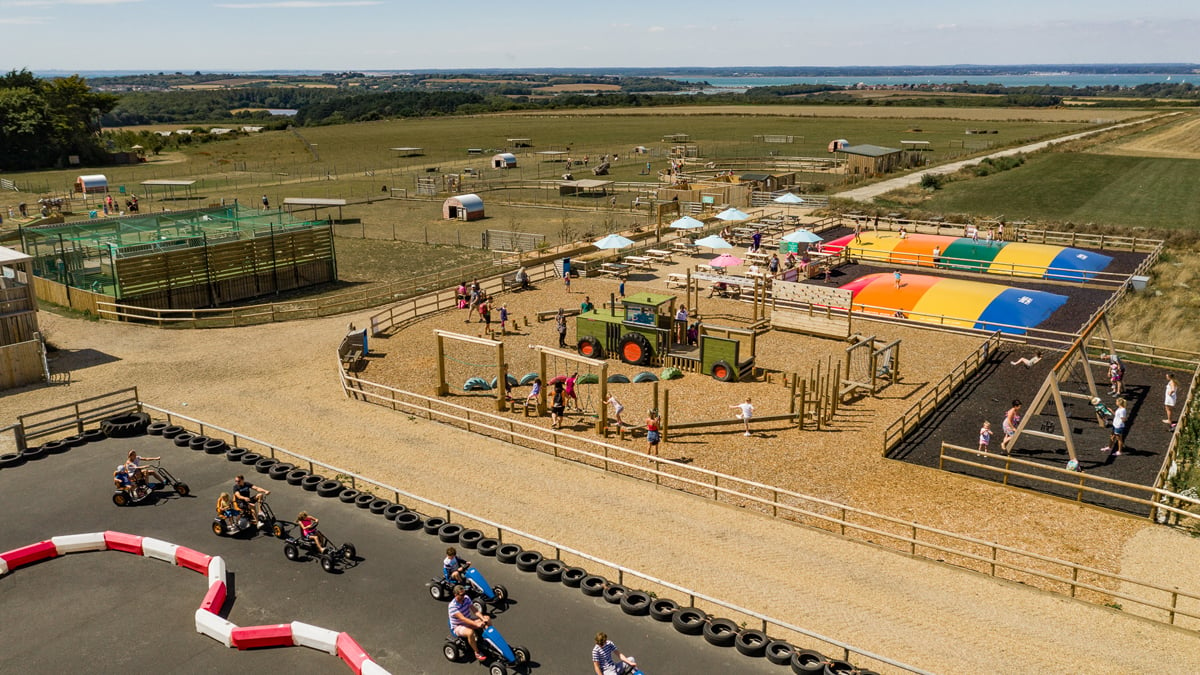
The layout of the playground is another important aspect to consider. It is essential to create a natural flow throughout the playground and ensure that safety is prioritised. This can be achieved by dividing the playground into different zones for different age groups or types of play and providing clear walkways between each zone.
Conclusion: Crafting the Ideal Playground
Choosing the right playground equipment for schools involves a meticulous balance of various factors. With a deep understanding of the different types of playground equipment available, the importance of age-appropriateness, the need for inclusivity, the strict adherence to safety standards, and the strategic design of the playground layout, it is possible to create an inviting, safe, and inclusive playground environment. A well-designed school playground contributes enormously to children’s overall development, and its significance should never be underestimated.