































































For decades, the Isle of Wight’s leisure economy relied heavily on physical footfall in town centres like Newport, Ryde, and Sandown, where pubs, cinemas, and social clubs formed the backbone of community life. However, as 2026 progresses, a distinct divergence has emerged between the enduring appeal of major live events and the day-to-day retreat into digital entertainment.
The convenience of home-based entertainment has reshaped the competitive landscape for local businesses. While traditional arcades in Sandown remain a staple of the seaside experience, many adults now utilize accessible gaming sites typical for the UK market from the comfort of their own homes. This migration to digital platforms allows residents to access a global array of entertainment options without the constraints of opening hours or travel, challenging physical venues to offer experiences that cannot be replicated on a screen.
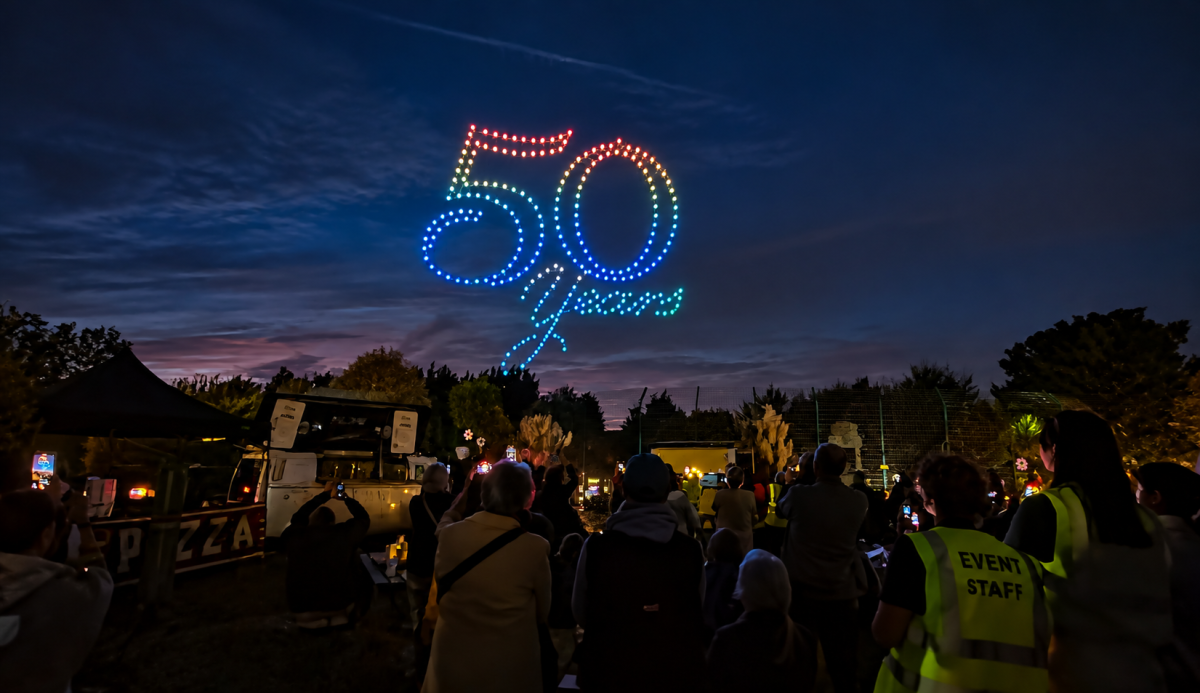
Despite the digital migration, physical venues on the Isle of Wight continue to play a critical role in the social fabric, particularly when centred around unique, communal experiences. The local pub and the community club remain vital hubs for social interaction, offering a sense of belonging that online platforms struggle to emulate. This is most evident in the continued success of large-scale gatherings which defy the broader trend of staying home. Major events serve as a reminder that while digital consumption is convenient, the human desire for shared live experiences remains potent.


Global trends reflect this appetite for spectacle; for instance, Live Nation reported that the Isle of Wight Festival was fully sold-out in their early 2025 financial reports, highlighting that demand for premier live music remains robust even as other tourism metrics soften. This suggests that Islanders and tourists are becoming more selective, saving their disposable income for “event” moments rather than habitual visits to local bars or clubs.
The retreat into the digital sphere is quantifiable when analysing recent visitor and spending data, which mirrors the habits of local residents. The post-pandemic era has cemented streaming services and online gaming as the default leisure activity for a significant demographic. The reduction in physical presence in town centres correlates with a rise in home-based consumption, where the entertainment value is high, but the cost is relatively fixed and low.
Economic data from the first half of last year illustrates this contraction in traditional leisure spending. Research indicates that total visitor spend on the Isle of Wight dropped by 1.5% to £101.2 million between January and June 2025, despite a rise in per-person spending for those who did visit. This contraction suggests that while those who venture out are willing to spend, fewer people are engaging in the broader tourism and leisure economy.
The era of the “big night out” is being eroded by the sophisticated ecosystem of home entertainment. With high-definition streaming, immersive video games, and social media providing constant engagement, the threshold for leaving the house has been raised. For Island businesses, this means the competition is no longer just the venue down the street, but the global technology giants.
The Isle of Wight’s rapid adoption of gigabit-capable broadband has been a double-edged sword for the local leisure economy. On one hand, it has enabled a revolution in remote working and connectivity, making the Island a more attractive place to live for professionals. On the other, it has greased the wheels for the digital leisure shift, ensuring that home entertainment is seamless, high-quality, and often superior to the audiovisual experiences available in public venues.

This connectivity has also influenced travel patterns, facilitating a rise in spontaneous, shorter trips rather than extended stays. Improved digital access allows visitors to plan day trips with precision, reducing the need for overnight accommodation. Statistics show that day visitors to the Isle of Wight increased by 6.2% in the first half of 2025, with day visitors from home specifically jumping by 12.2%. This surge in day-tripping suggests a change in leisure pacing; people are willing to travel for a specific experience but are less inclined to linger.
The Isle of Wight’s leisure economy is likely to settle into a hybrid model that accommodates both the digital and the physical. The data suggests that while long-duration tourism is under pressure, there is a growing market for intense, short-term experiences. The rise in short stays, up 9.1% for trips of 1-3 nights, indicates that when people do choose to engage with the physical world, they want high-impact, memorable experiences. The future for local businesses lies in catering to this demand for quality over quantity, creating social environments that offer something tangibly different from the digital realm.
Venues will need to innovate to survive, perhaps by integrating digital elements into physical spaces or by focusing on the sensory aspects of leisure that cannot be downloaded. The resilience of the festival sector proves that people still crave connection and atmosphere. The challenge for the wider economy is to translate that occasional enthusiasm into sustainable, year-round footfall. This may involve a reimagining of the high street, moving away from pure retail and traditional drinking establishments towards multi-purpose social spaces that host events, workshops, and interactive entertainment.