

















































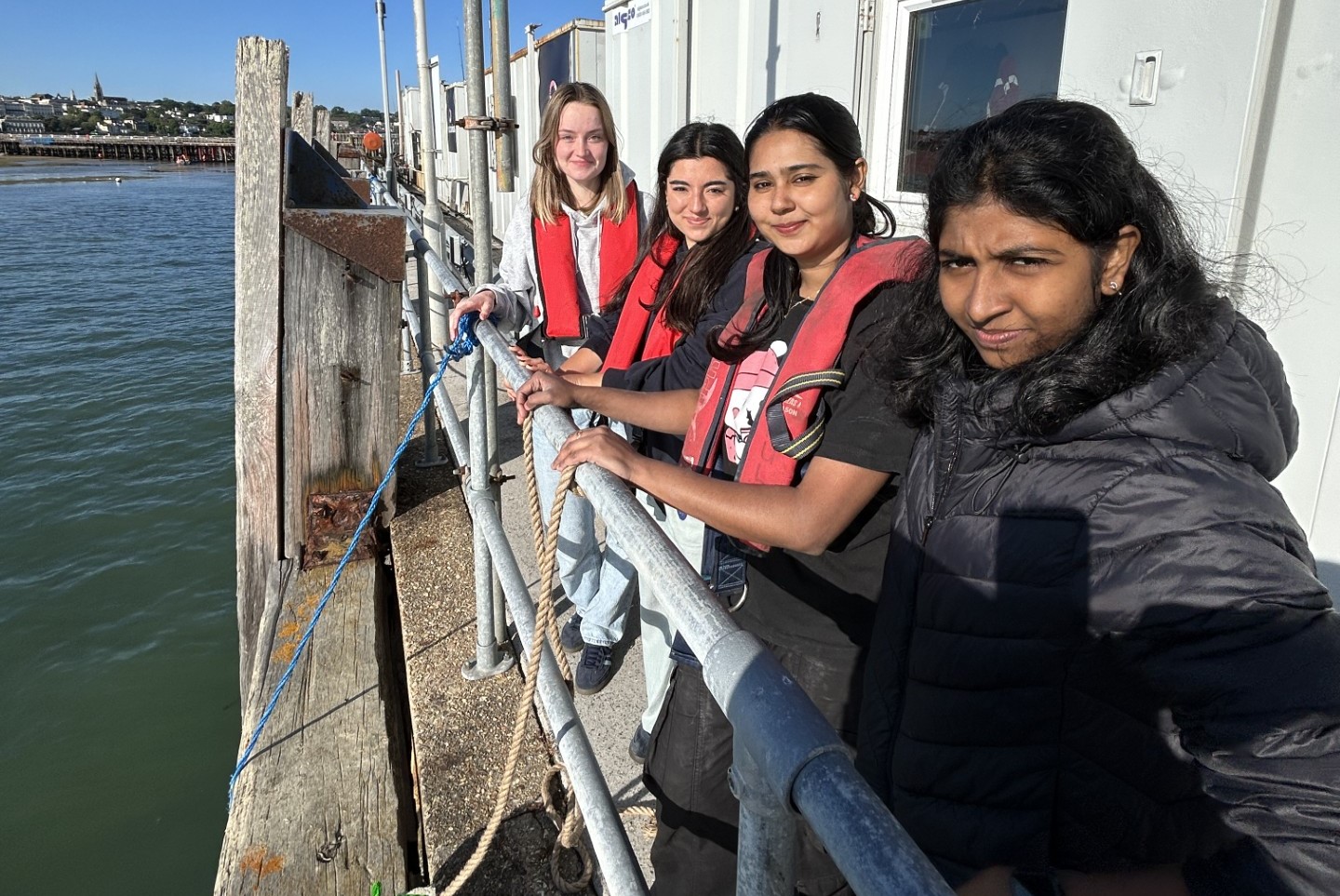

Scientific research by University of Portsmouth postgraduates suggests that the quality of seawater at Ryde is good enough for seahorses and cuttlefish to thrive and reproduce.
Artificial habitats for cuttlefish and seahorses installed underwater by the students at Wightlink’s ports on Ryde Pier and Portsmouth Harbour are now being used as ‘nurseries’. On monitoring the sites, researchers found the marine creatures have been laying eggs at both Solent locations; a third season of investigations into their breeding habits is now underway.
Senior Lecturer Dr Ian Hendy says:


“If these species are living in the Solent, it means the environmental conditions are right for them and they can thrive. Cuttlefish have been overfished and their habitats have been lost so we are giving nature a helping hand by giving both species new places where their young can have a greater chance of survival.
“Through our students’ research, we want to know if cuttlefish and seahorses use artificial habitats as spawning areas and our data so far suggests they are.”
One of the research projects for 2025 is being undertaken by Rithu Sheena Jayan, a Masters’ student of Applied Aquatic Biology.
She says:
“Cuttlefish are an important part of the Solent’s marine ecosystem and local fisheries, so helping to protect their populations is something I feel strongly about. I believe marine science is crucial, especially now, to understand and protect our oceans for the future.
Article continues below this advertisement “After my Master’s, I hope to continue working in marine conservation and research, contributing to sustainable solutions and protecting ocean biodiversity.”

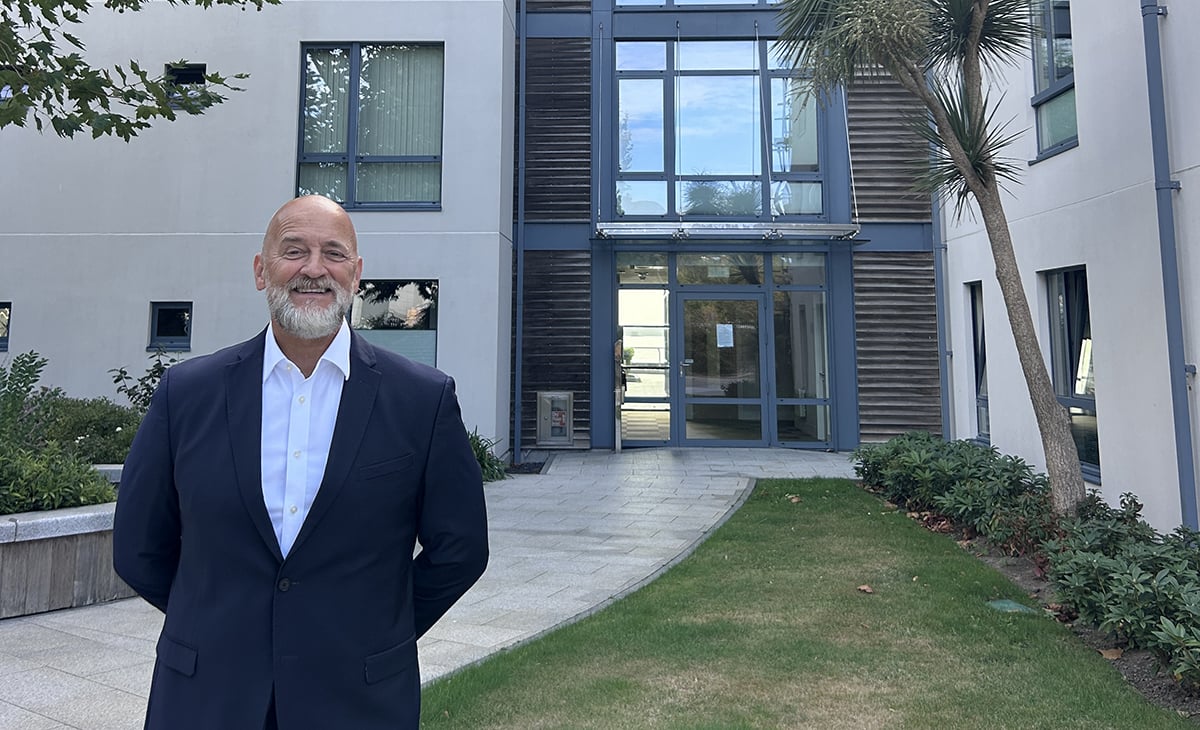
Director of Port Operations Dean Murphy says:
“Wightlink is committed to sustainability and supports the students from the University of Portsmouth to learn more about marine wildlife in our coastal waters. Colleagues on Ryde Pier and at Portsmouth Harbour are always pleased to help them set up their equipment and monitor the sites.”













Hang on? We keep being forced fed how polluted the water around to island is.
In the areas where the sewage discharges…not Ryde.
What a great job these students are doing there is something very gentle about sea horses
The news item says the “quality of sea water at ryde is good enough for them to thrive”. It doesn’t say the water is clean as we humans understand it. They have adapted, in fact forced to adapt to survive in what we suspect is polluted water.
Sewage pollution is massively different from industrial pollution with heavy metals and chemicals, which would kill them. Sewage is, in effect fertiliser for the plant species around our waters BUT it will eventually lead to overgrowth of certain species and destruction of others. Animal species can spawn in it, (warmer, protected) but are likely to go further out to feed.