


































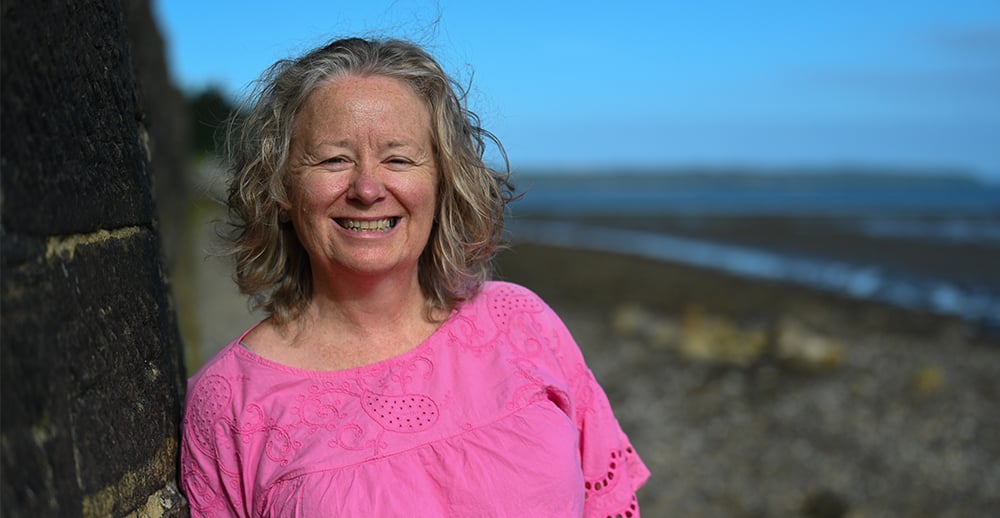

An Isle of Wight woman who spent almost 2 years largely confined to her bed by a rare autoimmune condition is sharing her recovery story to inspire others living with long-term health conditions to become more active.
Julia Monaghan, who was diagnosed with Behçet’s disease around 15 years ago and more recently developed arthritis in multiple joints, is one of the local faces of the We Are Undefeatable campaign, which has launched across Hampshire and the Isle of Wight.
Led by physical activity charity Energise Me in partnership with NHS Hampshire and Isle of Wight Integrated Care Board and local public health teams, the campaign encourages people living with long-term health conditions to find ways of moving that work for them.


After years of managing her condition with medication, Julia experienced a severe flare-up that left her struggling with debilitating pain and fatigue, becoming virtually bedbound.
Julia has said:
“I could barely make myself a meal or even shower.
“For a long time, I was virtually bedbound. It felt like my whole life had disappeared.
“I remember thinking I’d go because my GP told me to, but I honestly didn’t expect it to help. When I first met my health coach, I spent the first 20 minutes crying because it was the first time I felt that somebody genuinely cared.”
Article continues below this advertisement

Rather than attempting intensive exercise, Julia’s recovery began with small, manageable movements that gradually became part of her daily routine.
She says learning to listen to her body and celebrating even the smallest achievements helped her steadily rebuild her strength and confidence, saying:
“At first, all I could manage was lifting my head, opening my shoulders and trying to sit up straighter. That was my exercise.
“As time went on, I started doing stretches, push-ups against the kitchen counter while the kettle boiled, heel raises on the stairs and balancing on one leg while brushing my teeth. They were tiny things, but they all added up.
“I realised that doing something was almost always better than doing nothing. Every day I would ask myself, ‘What can I do today?’ Sometimes that was just a tiny movement, but over time those little steps became walks on the beach, getting back to work and enjoying life again.
“Recovery isn’t a straight line. Some days it felt like one step forward and two steps back. But there was always something to celebrate. One day it might have been brushing my teeth standing up. Another day it was walking up and down the stairs. Every small achievement mattered.”
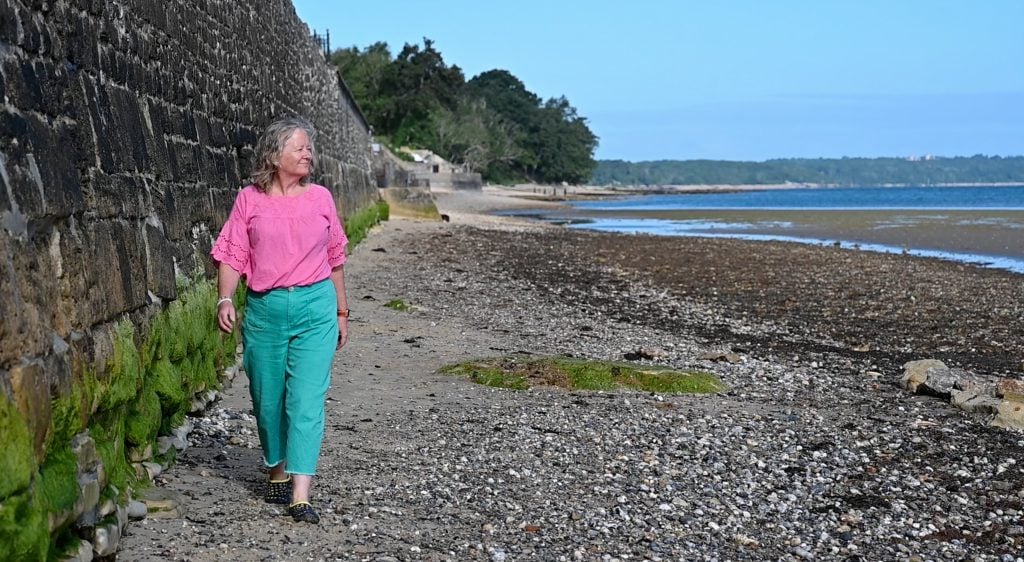
Today, Julia has returned to work, walks her dogs along the beach every day and says becoming more active has transformed both her physical and mental wellbeing.
Julia has said:
“It’s like night and day. It feels like I was a completely different person.
“I feel fitter, healthier and happier than I ever thought I would again. Moving more also encouraged me to eat more healthily, and gradually I became stronger. I honestly never believed I’d be back here, walking my dogs along the beach.
“Just start. Don’t worry about where you’re beginning or how small that first movement is. Anything is better than nothing, and every little step helps you take back a bit more control of your life.”
Kate Harvey, Director of Public Health for the Isle of Wight, has said:
“Every bit of movement counts and living with long-term health conditions does not have to make being active out of reach.
“Through the We Are Undefeatable campaign, we’re encouraging residents to find simple ways to be active that work for them, helping to improve their health, wellbeing and confidence at their own pace.”
Research undertaken as part of the campaign found that people living with long-term health conditions are significantly more likely to be inactive, despite many recognising the benefits that physical activity can bring.
Developed by 15 leading health and social care charities and backed by National Lottery funding through Sport England, the We Are Undefeatable campaign aims to help people living with long-term health conditions become more active in ways that suit their individual circumstances, with organisers hoping local stories such as Julia’s will inspire others to take those first small steps.