



































































PayPal, Skrill and Neteller have been familiar names on UK casino cashier pages for many years, and they’re still widely offered today. What has changed is the company they keep. Debit cards, Apple Pay, open banking and pay by phone now sit alongside them, and in many cases they’re just as quick to use.
Working out whether the three still dominate is harder than it sounds, because very little published data breaks UK casino deposits down by payment method. It is possible, though, to look at who runs these wallets, how each of them treats gambling, and how quickly the alternatives have grown.
Who owns the wallets
Skrill and Neteller are both owned by Paysafe, which offers them to merchants through a single integration. Paysafe lists iGaming among its main markets (alongside video gaming, e-commerce and travel), and the same group also runs paysafecard, a prepaid voucher.


In practice, one company stands behind three of the options a UK cashier page is likely to show. Choosing Skrill over Neteller, or the other way round, amounts to picking between two Paysafe brands, each holding a stored balance that sits apart from the player’s bank account.
The bigger decision for most players is whether to use an e-wallet at all, or to pay straight from a bank account. A full comparison of casino payment methods at https://www.newcasinos.com/money-transfer/ breaks each one down card by card and wallet by wallet, which makes the two approaches easier to weigh up.”
For context on Paysafe’s size, the group reported annualised transaction volume of $167 billion for its last full year. That figure covers cards, wallets and cash-based payments together, so only part of it relates to gaming.
PayPal’s approach to gambling
PayPal publishes its gambling rules, and they’re stricter than many people expect. Gambling payments are only allowed to sellers PayPal has approved, in places where gambling is legal, and the rules cover sports betting and lotteries as well as casino games. That approval process is one reason PayPal doesn’t appear on some cashier pages that do list Skrill and Neteller.
PayPal also has a Gambling Block in its payment settings. Once it’s switched on, it stops eligible payments to merchants identified as gambling or lottery operators, and turning it off again triggers a three-day cooling-off period. For someone trying to cut back, that delay gives a late-night decision a few days to be reconsidered.

The block does have its limits. It relies on the merchant information attached to each payment, so a site that isn’t classified as a gambling merchant may get through, and PayPal itself says the feature shouldn’t be the only tool someone relies on.
The rise of open banking
Paying straight from a bank account has grown quickly in the UK. According to Open Banking Limited, open banking passed 16.5 million user connections by November 2025, and payments made through it reached almost 33 million that month alone (these figures cover every kind of open banking use, of course).
Open banking itself came out of a Competition and Markets Authority order, which required the UK’s nine largest current account providers to open up customer data, with the customer’s permission, from January 2018. The original aim was to increase competition in retail banking by making it easier for customers to share their data with other providers.
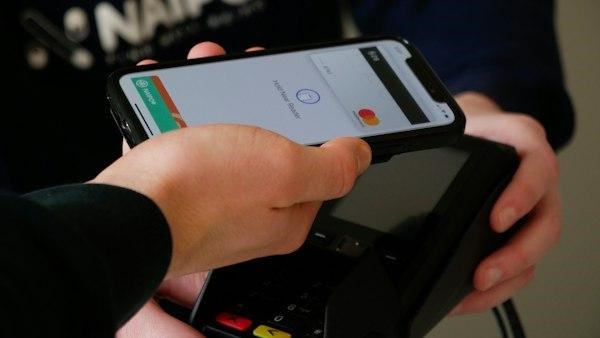
For a casino deposit, open banking needs no separate account and no stored balance. Money moves once the player approves the payment in their banking app, and some cashier pages list the option under names such as Trustly or Instant Banking. Apple Pay offers another phone-based route, drawing on a linked debit card.
Credit cards and e-wallets
Debit cards are the other obvious route, since credit cards are no longer an option. Licensed operators have been barred from taking credit card payments for gambling since April 2020, and the ban extends to e-wallets. As the Gambling Commission’s guidance on e-wallets explains, a licensed casino must turn down payments through any wallet that doesn’t block credit card funding.
Before the ban, a player could load a wallet with a credit card and then use that balance on a casino site, so the rule closed what had been a fairly obvious workaround.
What each option offers
Each option brings something slightly different to the cashier page:
- an e-wallet keeps card and bank details away from the casino;
- a wallet also groups every gaming payment into one statement;
- open banking needs no extra account and no stored balance;
- Apple Pay draws on a linked debit card, so the same card rules apply.
Whichever method is used, the usual safety advice still applies. Island Echo has reported police warnings about online and phone scams, and the same caution is sensible with casino payments. Money should only go through a casino’s own cashier page, never through a link sent by text message.
Takeaway
PayPal, Skrill and Neteller still hold their place on UK cashier pages, although bank payments have become a serious alternative in the last few years. Either route can be capped through the casino’s own deposit limit or a wallet’s block, and many UK banks offer gambling blocks of their own, as GamCare explains in its guide to talking to your bank.