

































































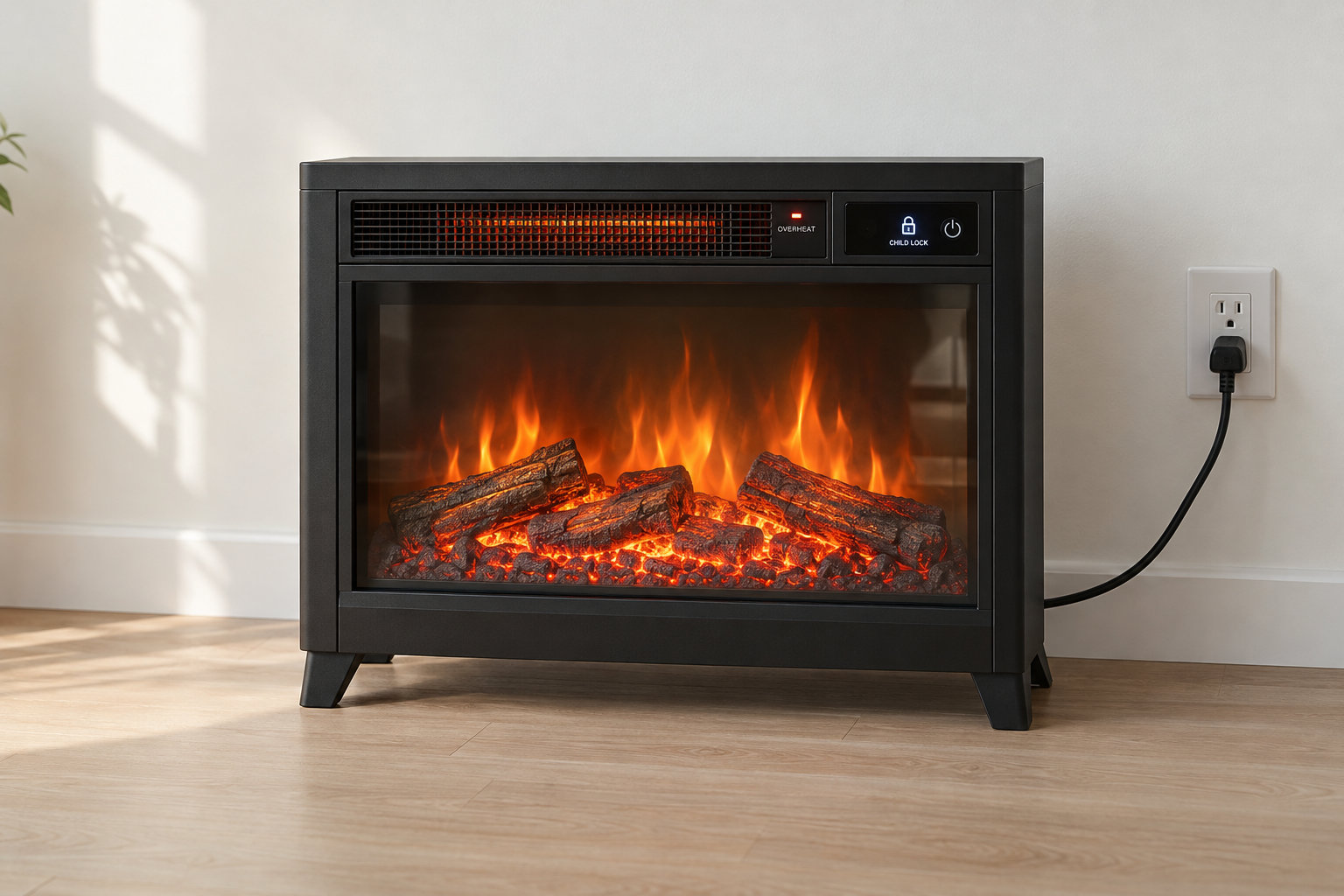

This article outlines the essential safety features to look for when choosing an electric fireplace, with practical guidance on ensuring safe operation in homes with children, elderly individuals, or pets. Read on for a checklist and tips focused on protecting your household when using electric fireplaces.
Electric fireplaces have become a popular option for anyone seeking convenient extra warmth at home. Safety is a top concern for many households, not just due to the electrical aspect of these heaters but also because some models are designed to run unattended for extended periods. Whether you have young children, elderly relatives, or pets in the home, knowing what to look for helps you compare options and choose a safer appliance. Buyers can seek information from sites like electric-fireplace.co.uk before making decisions about household heating solutions.
Overheat protection and thermal cut-out systems
Many modern electric fireplaces include overheat protection, using internal temperature sensors to detect unsafe operating conditions. When a unit warms past its safe threshold, a thermal cut-out can trigger automatic shutdown. This helps prevent overheating and reduces the risk of damage or fire, especially if airflow becomes restricted by dust or obstacles. If you plan to run a fireplace in the background for hours, this protection is essential.


Automatic shut-off triggers
Many electric fireplaces feature shut-off mechanisms that react to tipping or long periods of uninterrupted use. Tip-over switches are designed to cut power immediately if the unit is knocked over. When reviewing product specifications, look for clear descriptions of how the fireplace protects against these risks.
Cool-touch exteriors and child safety
Cool-touch housings mean the outer surface and front glass remain at safer-to-touch temperatures, reducing burn hazards for children and pets. While “cool-touch” typically indicates much lower surface temperatures than traditional fires, the area just above heater vents may still get warm. For family settings, choosing a model with cool-touch features and clear safety warnings can help reduce risk.
Control security and child locks
Lockable control panels and remote lock options can help prevent accidental setting changes. This feature helps ensure children cannot easily alter heat output or switch the unit on or off. When evaluating fireplaces, check if child safety locks are offered on both the unit and its remote control.
Safe electrical setup and compliance
Always plug electric fireplaces directly into a suitable wall socket, avoiding extension leads where possible to reduce overheating risk. Check that cables are undamaged and fit properly into the socket. Look for compliance marks like UKCA or CE, and read the manual carefully to understand correct installation and positioning.
Placement, ventilation and safe use
Place your electric fireplace away from curtains, sofas, and other soft furnishings. Avoid high-traffic routes where the appliance could be knocked over, and ensure ventilation slots remain unobstructed for safe airflow. Regular maintenance, such as dusting air intakes and checking for unusual odours or noises, helps prevent issues. If you notice anything abnormal, stop using the fireplace and have it inspected by a qualified professional.

Key safety features checklist
- Automatic overheat and tip-over shut-off mechanisms
- Cool-touch frontage and child safety locks
- Correct electrical connection and certification marks
- Clear instruction manual and adequate warranty
- Safe placement with unobstructed ventilation
- Regular cleaning and monitoring for faults