

































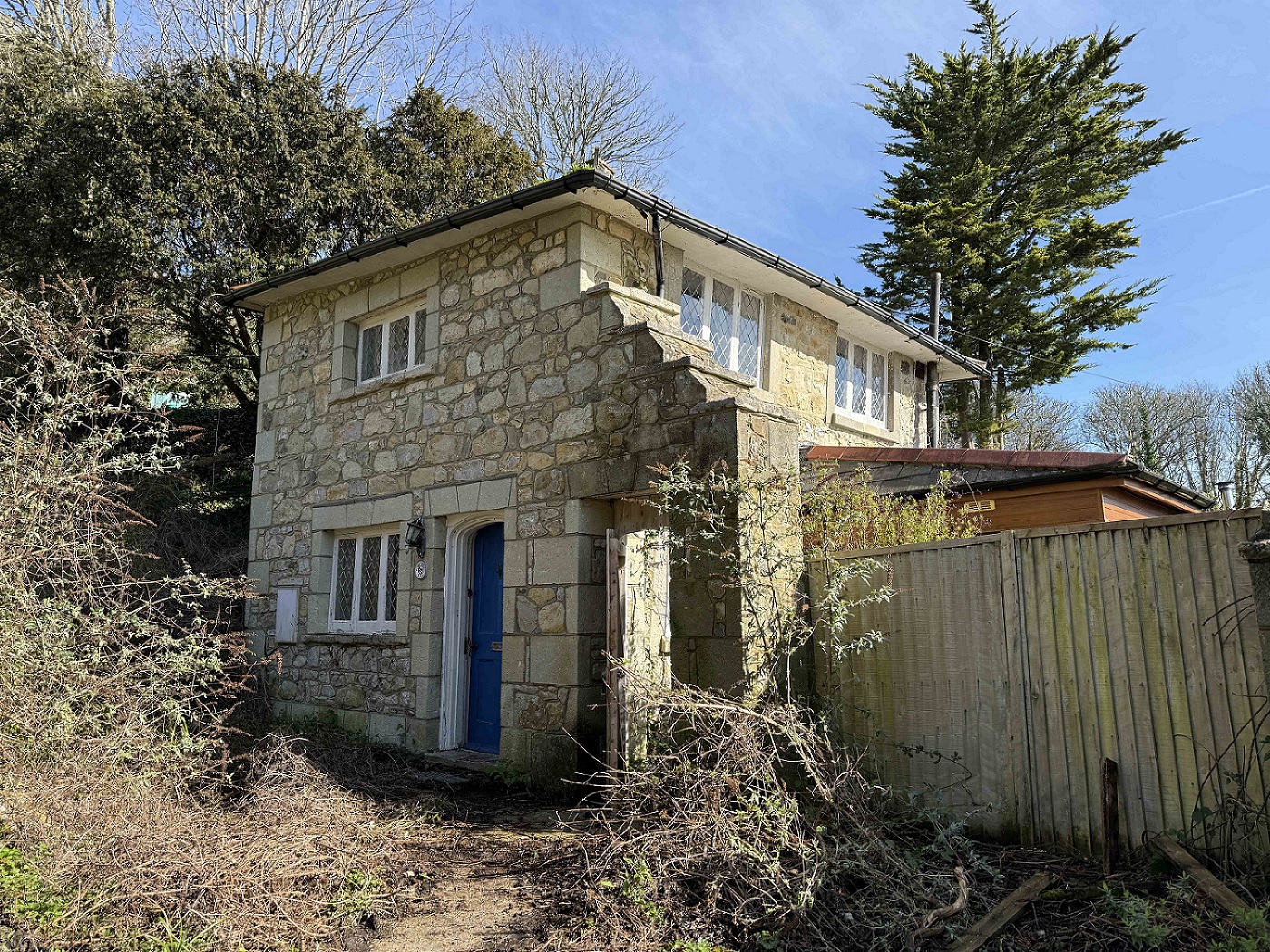
























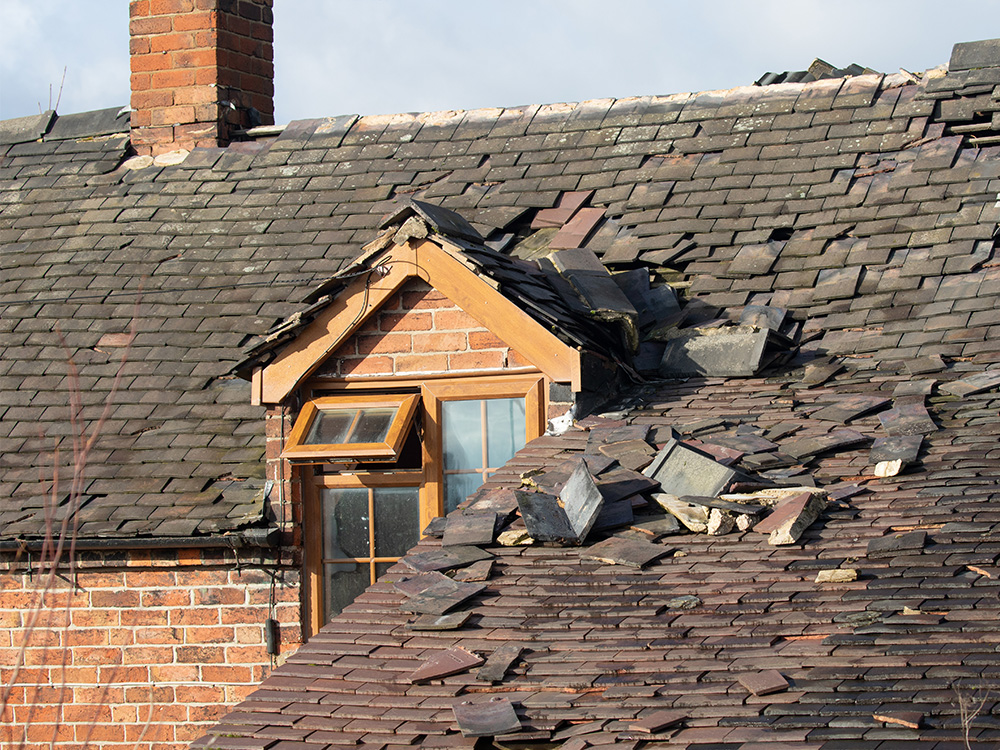

It’s the deal of a lifetime: a complete wreck that just could become your ideal next move on the property ladder. Or possibly, it’s the next lucrative “doer-upper” that you might refurbish and rent out or fix and flip.
But there’s a catch: mortgage lenders have determined that the property is uninhabitable, which is why you haven’t been outbid by dozens of other buyers.
Additionally, you cannot obtain a mortgage on a property that is uninhabitable even if you intend to make the renovations before moving in, renting it out, or selling it.


What’s the definition of an uninhabitable property?
A property may well be described as “in need of work” by an estate agent. But being uninhabitable goes well beyond being worn out or in need of repair.
The most fundamental conditions for a building to be livable (fit for habitation) are:
- It’s watertight, and the roof is in good condition
- It has a modest kitchen
- It has a practical indoor bathroom (with a toilet inside)
Additionally, the majority of mortgage lenders will demand that the property has electricity and central heating, is secure, and is free of trash and vermin.
The justification for this is that if for some reason the entire project goes awry and the mortgage lender needs to call in their loan, it will be challenging for them to quickly sell a property that isn’t ready to be lived in (by a buyer or a tenant).
What might make a property unmortgageable?
The following other problems, which technically do not render a home uninhabitable but could make it unmortgageable, include:
- Homes with multiple kitchens (that are single residences and are not designed as multi-occupancy rentals). Mortgage lenders will be concerned that you would rent out a portion of the property, which would make it challenging for them to regain possession if necessary.
- A flat in a building with more than six stories
- A flat in a building without a lift
- Where the property has external cladding, the type of cladding on a residential building, especially in the wake of the Grenfell tragedy could cause the property to be considered unmortgageable
- The kind of concrete or structure, especially on former local-authority homes
- A flat over a business (although lenders are becoming more accommodating in this regard, especially for high-street renovations)
- Properties sold at auction are typically unmortgageable, not only due to the state of the property but also due to the short payment term of only 28 days, which is significantly quicker than most mortgage lenders can complete a deal.
Signs that a property may be unmortgageable
Here’s the top tips of what to look out for that the property you’re viewing could be unmortgageable:
Penetrating damp as a result of structural damage or a weak roof.
Leaning chimney stacks and cracks or bulges in the brickwork are indicators of structural movement.
Ceilings sagging as joists may need to be replaced if the floor or ceiling is sagging.
Missing or damaged kitchen that render the kitchen unusable hindering hygienic food preparation.
Bathroom missing or damaged and in non-working order.
Windows or doors that are missing, corroded or otherwise damaged.
Sign of structural movement such as significant cracks around door frames, windows, porches or extensions.
Rodents or pest infestation.
Other than a traditional mortgage, what are my financing options for an uninhabitable property?
If you are unable to obtain a mortgage on a property, you still have other short-term financing options such as bridging finance that can finance your property purchase and repairs until the property is ready to be refinanced with a mortgage.
Bridge financing is a useful option for “uninhabitable” properties to cover the costs associated with bringing them into a condition that allows for mortgage financing. In contrast to mortgages, which are priced for the long term (typically 20 or 25 years) and have penalties if you cancel them within the first couple of years, bridge financing is intended to be short term.
If you’re looking for more information on short-term bridging, this complete guide on bridging finance from Finbri.
Regulated or unregulated bridging finance
If you’re buying the property to live in, or one of your close family will reside there, or if the property you’re securing the bridging loan against is your main residence, the type of finance you’ll require is a regulated loan. It will be subject to the requirements of the Financial Conduct Authority.
Regulated bridging finance is geared to protect your home, and as such it has several key differences to unregulated bridging finance:
- Checks of affordability will be a critical component of loan acceptance, so there will be more extensive income and expenditure checks on the applicants.
- The maximum period it can run for is 12 months (unless it’s clear that you just need a limited extension to achieve your refinancing).
- The interest will be “rolled up” into the total loan amount, rather than paid monthly (which reduces the maximum total you can borrow).
Unregulated bridging finance is geared towards buying properties as an investment. Property investment in the UK remains the primary use of bridging finance and with more than 50% of property investors intending to further invest in property in 2023 it appears the continuing use of bridging for property purchases isn’t likely to end any time soon. Here’s the criteria for unregulated loans in the UK:
- The loan cannot be secured against your home, or the home of a family member (or if it is, you must own a number of properties).
- The loan term can be extended for up to 24 months – sometimes even longer.
- You can choose to “service” the loan by paying the interest monthly which will increase the actual amount you’ll be able to borrow.
How much can I borrow and how much will it cost?
As bridging products are a niche financial tool the amount you can borrow will greatly depend on your unique circumstances, but in general it’s specifically tied to the security you’re able to offer.
The basics to understand when considering how much you could raise with this type of loan are:
Equity available in your properties:
The amount of available equity in the property that you will use to secure the loan will directly affect the maximum loan size offered. In simple terms, the greater the equity the larger the possible loan size. You can also use multiple properties to secure your loan against further increasing the loan size available.
Security type:
Is it residential, commercial or semi-commercial, as each type of property will have different loan-to-values available. For example, average interest rates for residential start at 0.5% per month whereas commercial starts at 0.95% per month. So if you choose a rolled up or retained loan, which is where your interest is added to the loan amount, then because this is included within the loan-to0-value calculation the net loan you’re actually able to obtain will be less than if the interest was paid off each month.
How do I apply for a bridging loan?
A high street bank or building society may be able to provide you with direct bridging financing. However, they are only qualified to give you advice regarding the specifics of their own loan products. It’s estimated that there are in excess of 100 private lenders, family offices and larger bridging-specific lenders in the UK, so there are alternatives to high street banks when it comes to bridging products.
Should I use a broker for my loan application?
Since the financial crash of 2008 many banks stopped lending for bridging loans as they were deemed to be too risky. Private lenders were quick to enter the market and fill the gap in short-term financing, and have been doing so for the last 15 years.
Having so many lenders in the same space has significant advantages for the borrower, not least of all choice and rates.
Where a borrower has a strong application, they’re able to leverage multiple lenders vying for the same loan deal, driving down the interest rate and reducing the overall cost of borrowing. A bridging loan broker can be useful in facilitating this rate reduction. Whilst a broker will charge fees for their service they can prove instrumental in finding the right lenders for the loan and work on the borrower’s behalf to obtain the rate reduction, which typically offset their fees.
Where a borrower has a weak application, knowing which of the lenders to approach and how to approach them can be the difference between obtaining a loan or not. A good broker will know which lenders are willing to lend in what circumstances. Many lenders are small privately run businesses such as family offices, which means they only have a small loan book, with a limited number of borrowers at any one time. A good broker will know when their capital is available and how keen the lenders are to redeploy their funds. A lender will not want to sit on the capital and will prefer to put those funds back into the market as quickly as possible to maximise their returns.
Flexibility is also an important factor to consider when sourcing a lender. Some of the smaller, private lenders can be more flexible in their lending decisions and will evaluate loan applications on their own merits. Knowledgeable brokers should send your application to the most suitable lenders since they understand which loan products are available on the market, who the new entrants are and what niches they specialise in. All in all, using a good broker should allow you to receive a formal loan offer in just a matter of days.
Last thoughts
When you want to purchase a property, but are unable to raise the finance required from high street banks because the property is deemed uninhabitable and therefore unmortgageable, bridging finance can be a viable source of finance.
Ultimately the limit of what you can borrow lies with your security on offer, its available equity and finding the right lender for your loan.