





















































Moving to Spain to live there is the dream of tens and hundreds of thousands of those who know at least something about this sunny country. Spain is a country where no one is ever in a hurry. Take some time to study it and you will surely want to know how to buy a villa in Spain as a foreigner. People here enjoy a measured pace of life, especially in touristic regions such as the Costa Blanca or the Costa Cálida. Kilometers of beaches, dozens of towns and hundreds of streets are here for you to start living your best life. Life here is very different from most European countries, and therefore it will definitely be able to impress you.
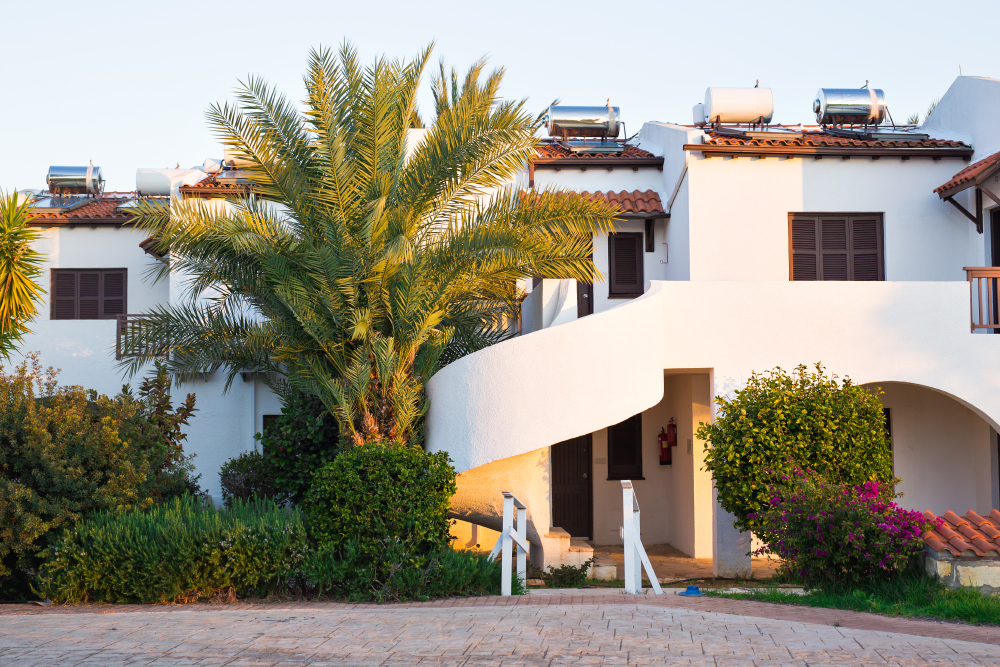
Villas in Spain for sale captivate with their diversity, attracting investors, tourists and simply those who want to start a new life. They may differ in the number of rooms and sizes, interior and exterior, their architectural style, location as well as many other characteristics including having or not having a pool, a terrace or a solarium. This allows everyone to choose a good villa in Spain, regardless of personal preferences. However, not every foreigner who wants to make a purchase, knows how to do it right. The purpose of this article is to tell you how to buy a villa in Spain. After reading the steps listed below, you will be able to understand whether you want to do everything yourself, or seek help from professionals.
For those interested in Spanish coastal living, exploring houses for sale in Torrevieja could lead to finding your dream property.


Five steps to buying a villa in Spain as a foreigner
Just five steps will lead you to a successful purchase. In this guide you will learn how much does a villa in Spain cost, where to buy it, what taxes you will need to pay and how to prepare for your trip. Follow them and you can do everything yourself, or save yourself the time by contacting real estate agencies in Spain.
Step 1. Preparation for the trip
The first stage is usually the most exciting: you have to take care of many things so that the trip goes perfectly. Make sure you have done everything you need to do:
- Find an interpreter. Not sure if you can manage in a foreign country on your own? If you know English at a high level, it will be fine. There will be those who can understand you. If you do not know English at a conversational level, make sure to have an interpreter available to handle all conversations quickly and easily.
- Make sure you have somewhere to live. Take care in advance of the place to live located in the region where you plan to look for real estate. Those who turn to real estate agents, most often do not face this problem. Real estate companies will offer you the best options, usually free of charge.
- Find out the contacts of the embassy and familiarize yourself with local legislation. If you want to get to know this country better while you are here, make sure to check main requirements for tourists to stay in Spain (you can easily find this information on the Internet, and it’s better if you do it beforehand).
Step 2. Find the right property.
You need to decide what you want. What type of property should it be? A house or a bungalow, an apartment or a penthouse, a townhouse or a duplex? There is a lot of information on the Internet, including the blog on our website, about the advantages and features of each type of property so that you can have an idea of what you are looking for. When you decide, consider how much does a villa in Spain, to buy, cost. Prices are highly dependent on the region, the popularity of the city, the size of the property and the plot it’s built on.
Step 3. Take into account all Spanish taxes
Spain is a country with a developed tax system and strict requirements for both its residents and foreigners. You are required to pay taxes with a NIE if you are a foreigner. You can find out in advance what NIE is from the developer, real estate agent or by reading our blog and watching the corresponding video on our YouTube channel. When you get a NIE, you can buy property in Spain and start paying taxes to the state. Taxes and fees include the following:
- Tax on the transfer of private property. For the secondary market (houses in which people have already lived), the property transfer tax is 6 – 10%. For the primary market (new housing, where you are the first owner), this tax is 10%.
- Legal costs. Taken together, they are no more than 1-2% of the purchase price of real estate.
- Expenses for the notary, registration of property rights, registration of a land plot. Together, they range from 1% to 2.5% of the value of the house.
There are also many additional, less significant fees and payments that need to be done once or on a regular basis. To deal with them better – read another article from us on taxes, or contact a professional lawyer.

Step 4. Consider all offers and start negotiating
If you have made a list of real estate for yourself in advance, do not lose the opportunity to inspect it all in order to choose the best option for yourself. If the trip turned out to be successful and you were able to find the ideal villa or apartment in Spain for yourself, start the negotiations.
In the course of these negotiations you will have the chance to get all the information you are interested in. You can receive more information about the house, have a look at all the licenses and documents needed for construction, find out the completion date (if houses are under construction) and even discuss the price, which may vary depending on your preferences and the list of additional services (such as pre-installed furniture, additional garage space, furniture, air conditioners and other comforts). You can also try to bring the price down by 1-5%, but not everyone succeeds.
Step 5. Lock in your deal and decide how you want to buy
We do not recommend taking this step without a trusted real estate agent or lawyer. At this stage, you need to conclude the first confirmed agreement with the real estate seller. Here you also need to study all the documents carefully before giving money.
Find out the name of the construction company, how long it has been on the market, whether it is bankrupt and whether your house is in the land registry. If the contract is somewhat confusing or there are some inconsistencies in the building plans, company registration or any other data – do not sign your contract and do not give any deposits, let alone the full amount. Take the time and, if necessary, the funds to carefully check all the developer’s documentation and read your contract in full.
Where to buy a villa in Spain and how best to do it?
Now you know all the details of buying Spanish property. The only thing left is to figure out how and where to buy a villa in Spain? The first possible option is to explore the locations on your own, go through our article again and start looking for tickets to Spain, a lawyer to complete the necessary documents, a suitable city and a developer company.
The second option is to turn to professionals. For example, to the real estate company WTG Spain. Here we have everything you need to help you find your dream home within 2-3 days. Our services are free for clients and do not have any hidden fees as the entire commission for the sale is paid by the developer, and therefore there will be no unpleasant surprises for you. Our services include all the steps listed above: finding a suitable city, assistance with choosing a villa, legal support, free consultations and support until the moment you complete the purchase of your home.