






























































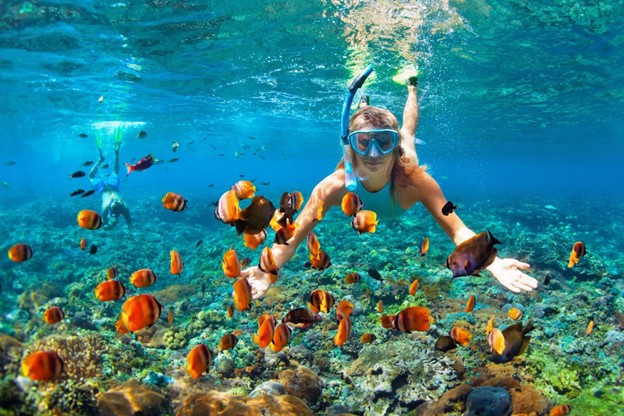

Freediving has recently gained popularity as a thrilling and serene way to explore the underwater world. However, as with any extreme sport, it also comes with its own risks and challenges. Before taking the plunge into freediving, it’s vital to be fully aware of all the potential dangers and how to mitigate them. This article offers a comprehensive overview of what every aspiring freediver needs to know before embarking on this exhilarating journey.
What do you need to know before getting into freediving?
So, you’ve heard of freediving and all its possible benefits, from improved mental well-being to improved physique and stronger lungs. You’re excited to try something new and jump headfirst into this sport. However, like any new activity, there are some things you should be aware of before starting.
Here are six things every diver should know before starting their freediving adventure:


Freediving basics
It’s essential to understand the basics of freediving, including equalisation techniques, buoyancy control, and proper breathing and relaxation techniques. Many professionals recommend joining a beginner’s course, so a certified instructor can teach you the necessary steps to start freediving and improve your performance over time.
Knowing the basics of freediving will help you manage your expectations of the sport and give you a clearer understanding of what’s required. For instance, freedivers must have good breathing control and be familiar with proper breathing techniques. This is an essential component of freediving training, and it’s worth noting before starting your journey.
Physical fitness
Freediving requires physical fitness, and it’s important to be in good health before attempting a dive. Consider speaking to a healthcare provider before starting this sport, as divers should have good cardiovascular and respiratory health.
Safety protocols
This sport comes with inherent risks, such as decompression sickness, blackouts, and hypothermia. Understanding these dangers and how to reduce the risk of injury is crucial. A professional instructor can guide you through safety procedures and what to do in an emergency. Knowing and following established safety protocols, including diving with a partner and using a dive computer or diving tables, can significantly reduce the risk of injury.
Equipment
Freediving requires specialised equipment, including a wetsuit, mask, fins, weight belt, and dive computer, among others. Your priority should be safety and comfort, so ensure you’re buying durable diving gear from somewhere like Agulhasocean. You’ll discover sustainably made equipment that’s fit for purpose and performance on agulhasocean.com.

Dive environment
New divers should work to understand their dive environment, including water conditions, visibility, currents, and marine life, and how to respond to changing conditions. Freedivers must be familiar with their surroundings and understand how to interact with marine life safely and respectfully. For instance, removing shells can negatively impact the ocean by reducing the number of crucial chemicals and animals that depend on shells.
Legal and ethical considerations
Divers must take legal and ethical considerations into account. For instance, freediving in protected marine areas may be restricted or prohibited. If you decide to start freediving, you must take responsibility for one’s own safety and the safety of others, respect the underwater environment, and be mindful of other water users. Moreover, regulations vary by country but may include equipment, training, and certification requirements. It’s crucial to understand and follow these guidelines.
Closing thoughts
In conclusion, freediving is a rewarding experience but requires preparation and a certain level of knowledge. Understanding the basics of physiology, equipment, safety protocols, and legal considerations is crucial for ensuring a successful and enjoyable dive.
As mentioned above, experts recommend new divers take a formal freediving course to learn proper techniques and safety protocols. With the right training, equipment, and mindset, anyone can experience the awe-inspiring beauty of the underwater world through freediving. Whether you’re an accomplished scuba diver or a complete newbie, learning the essential elements of freediving will ensure your dives are safe and unforgettable. So, gear up, get educated, and dive into the exciting world of freediving!