







































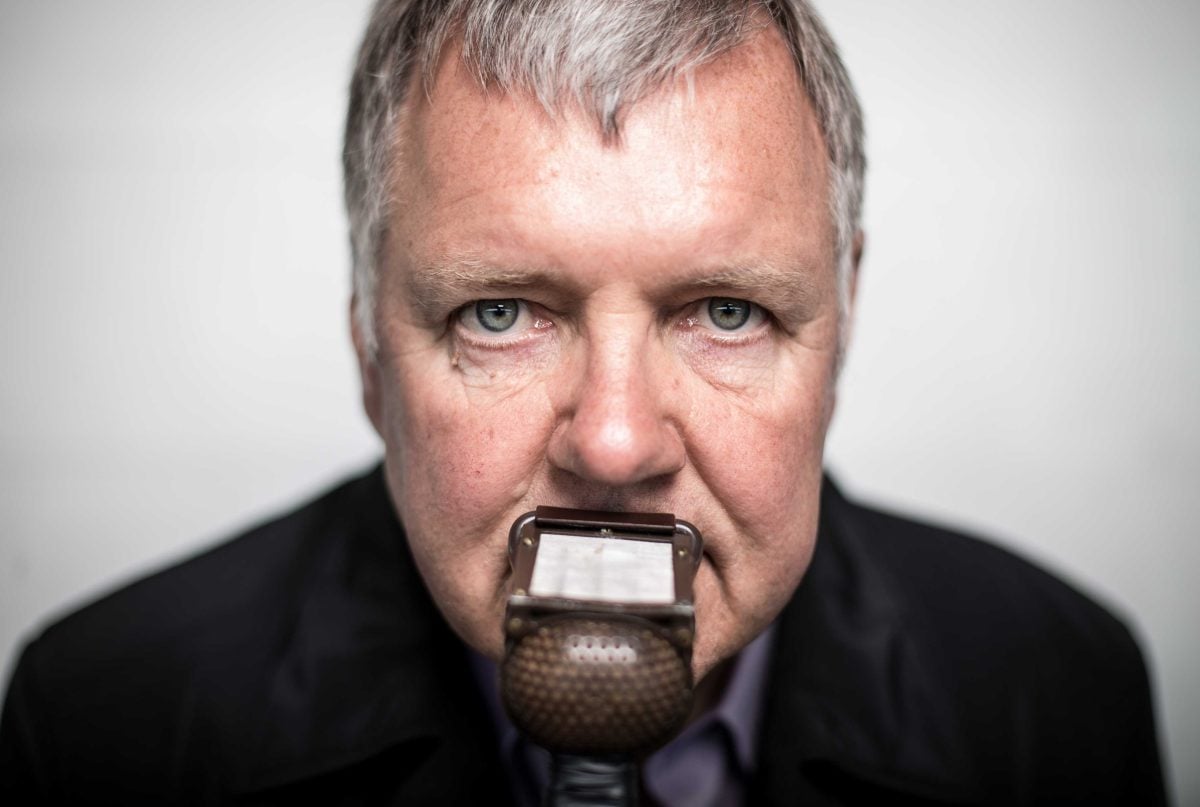











 As a result of Central Government considering cutting funding for Hampshire Constabulary’s Marine Unit by around 50%, Hampshire’s Police and Crime Commissioner, Simon Hayes, is calling for an urgent strategic review of national marine policing capacity and capability before any funding reductions are decided upon.
Simon Hayes, said:
“This potential loss of funding causes me great concern. A reduction in funding to this level would bring into serious question the future viability of the Marine Unit and would inevitably require a decision on whether we ask the Hampshire taxpayer to help subsidise the unit by making up the loss from general police budget, or cut the service.
Article continues below this advertisement “Hampshire’s Marine Unit has responsibility for patrolling the significant coastal areas and rivers of Hampshire and the Isle of Wight. This includes the Solent, which is unique within the UK and worldwide, due to the high density mix of commercial, leisure and naval vessels sharing the same water. It also provides the mutual aid capability to other forces situated on the south coast. Clearly, any decisions regarding the funding of this critical service will have implications beyond Hampshire’s borders, and as such any decision by Government needs to take into account wider role the unit plays. This is of national concern, not simply a risk to the safety and wellbeing of Hampshire and Isle of Wight residents and visitors.”

The Marine Unit plays a vital role in counter terrorism above and beyond helping to protect critical national infrastructure sites. For example, in the last 12 months the unit has been involved in a number of high profile security events, attended by members of the Royal family and dignitaries from other countries. These events include the Americas Cup World Series, Royal Yacht Squadron Bi-centennial celebrations, the Cowes Week Regatta and the naming of the P&O Britannia cruise ship by HRH Queen Elizabeth. Prior to that, the unit provided considerable support to the Olympics policing operation.
In addition the Marine Unit patrols other significant and iconic ‘crowded places’ including the Naval Historic Dockyard, a large shopping complex and cruise ship terminals, all on the south coast.
The Commissioner added:
“We have already seen a reduction in the national marine policing capability, at a time when the long term risks for marine security are unclear. There have been attacks across the world related to shipping and coastal areas, and while these are disparate and distant they show the need for a policing service for our significant waterbourne community. We are also seeing an increase in immigration issues in European waters and in Calais/Kent the impacts and potential risks of which are yet be established.
Article continues below this advertisement “I have asked the Chief Constable to determine future recommendations for the Strategic Policing Requirement for marine related policing around our shorelines and to protect UK shipping. I believe that these proposed reductions, to what is already an efficient and effective deterrent, will have long term consequences for the security of our shores, and in the end will cost money rather than save it.”