

































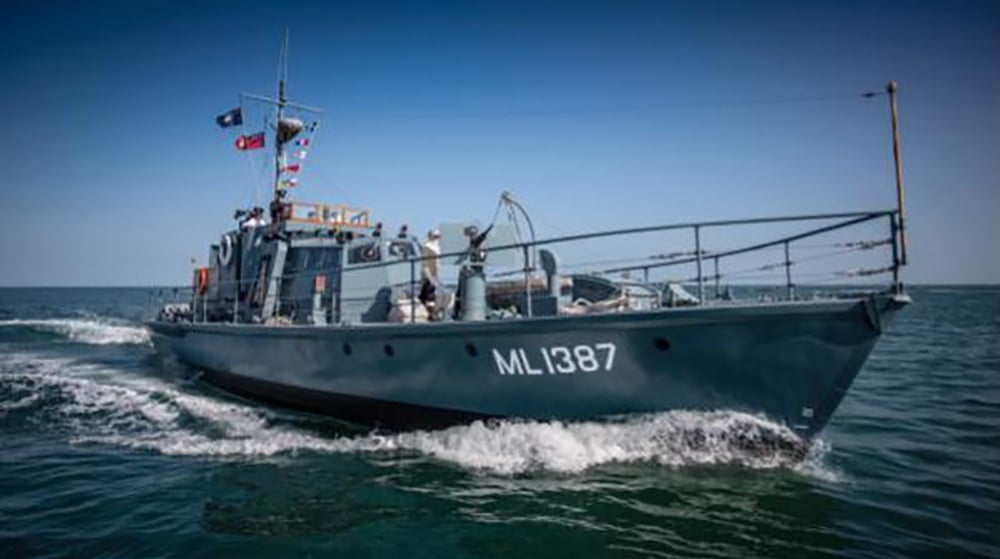








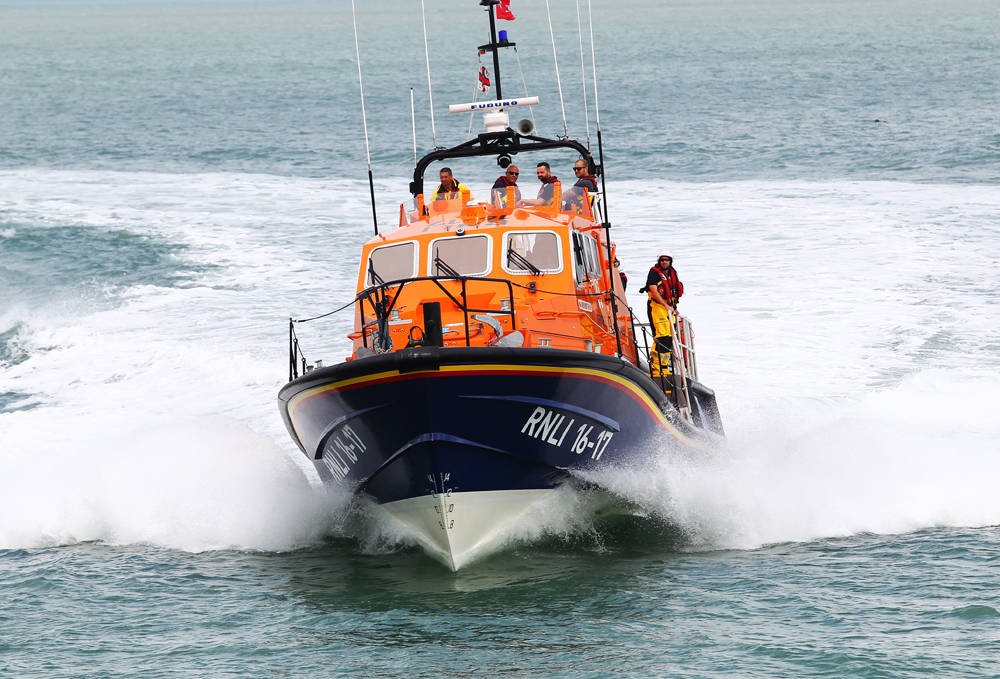
A report compiled by the Marine Accident Investigation Branch (MAIB) has deemed a crash that led to 14 people being rescued from a grounded boat near The Needles last year ‘could have been avoided’. On 20th July 2023, the UK registered motor vessel grounded as it passed over the wreck of the steamship Varvassi near the Needles lighthouse while escorting a relay swim event around the Island. The qualified skipper disembarked the vessel and got on a kayak, handing control over to the boat owner, Chloe McGardel of Swimon Proprietary Limited. Eventually, all passengers and crew abandoned Channel Queen to its rigid inflatable boat and a life raft and were then transferred to a Royal National Lifeboat Institution lifeboat. Channel Queen – a 16m Sunliner built back in 1986 – was subsequently declared a total loss. The investigation found that there was no charted navigational passage plan; effective use was not being made of the available navigation equipment to execute a safe passage. The qualified skipper disembarked the vessel and got on a kayak, handing control over to the boat owner, Chloe McGardel. Eventually, all passengers and crew abandoned Channel Queen to its rigid inflatable boat and a life raft and were then transferred to a Royal National Lifeboat Institution lifeboat. Channel Queen was subsequently declared a total loss. The report found that Mrs McGardel herself, was not adequately enough trained to be in command. Within the report it states that the skipper disembarking to the kayak had become a normalised procedure during previous swim support events, and that both the owner and the skipper had overlooked the requirement for the vessel to always remain under the command of an appropriately qualified crew member when underway. The MAIB investigation concluded the skipper and Ms McGardel prioritised the swim event over the safe navigation of the vessel.
Chief Inspector of Marine Accidents, Andrew Moll OBE, said:
“Once the hull of Channel Queen was holed it was fortunate that the boat was beached before it could sink, which gave the occupants time to disembark safely. In only slightly different circumstances the outcome could have been much more serious.
Article continues below this advertisement “The 4 stages of passage planning: appraisal, planning, execution and monitoring, are well tried and tested. Had they been followed during this event, particularly as Channel Queen was operating very close inshore, the accident could have been avoided.”

The report has suggested that Swimon implement a process to ensure that any vessel operated by Swimon, or engaged from a third party to support its events, is crewed by sufficient numbers of personnel suitably qualified for the intended area of operation and that they remain on board at all times when underway. 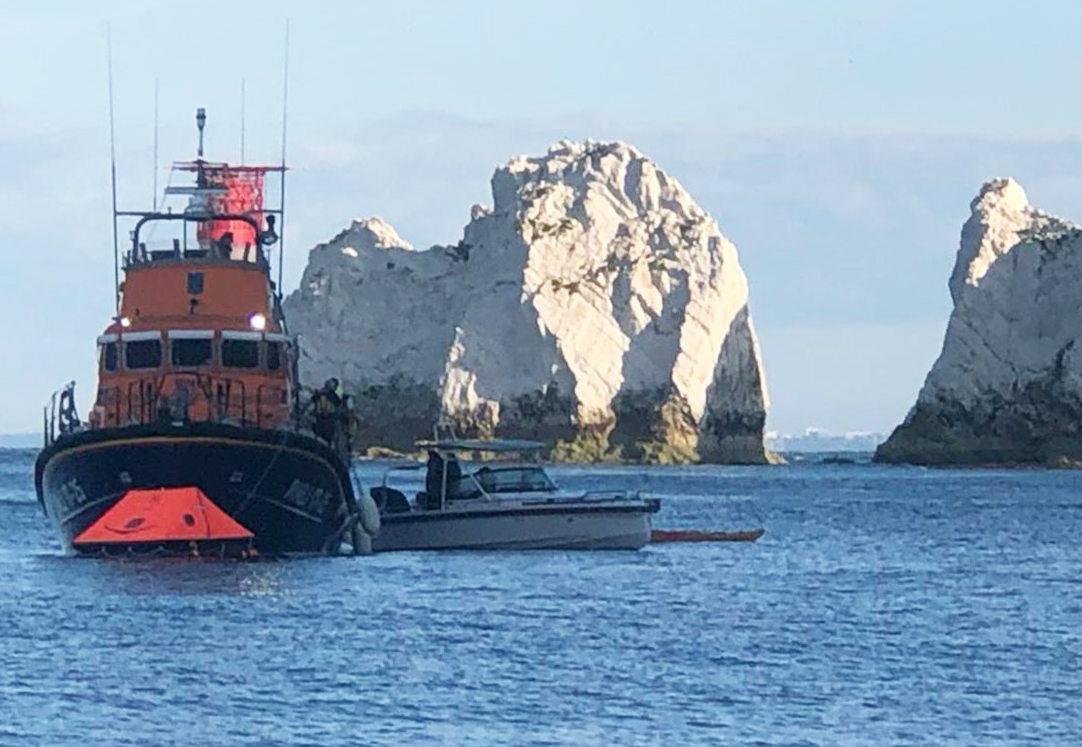






Migrant Dinghy drivers are more qualified to be on
the sea.
Only when their going the other way