


















































One of the common diseases associated with chronological old age is Alzheimer’s disease. In this article, we’ll look at the connection between biological ageing and Alzheimer’s disease.
What Is Alzheimer’s Disease?
Alzheimer’s is a neurological condition affecting an individual’s ability to think, learn, recognise or remember things. This disease has no cure and will eventually leave the sufferer in a debilitating State where they have to rely on a caregiver for even the most basic tasks like bathing.
Alzheimer’s disease is not to be mistaken for dementia. Dementia is a severe decline in cognitive function that affects the person’s ability to carry out daily tasks. Alzheimer’s disease is one of the top contributors to dementia.


The greatest risk factor for Alzheimer’s disease is old age, which is why it primarily affects adults aged 65 and above. 1 in 10 adults aged 65 develop Alzheimer’s disease. This number increases to 1 in 3 older adults at age 85. This shows that the older a person gets, the more at risk they are for this disease. A small percentage of adults develop Alzheimer’s disease in their 40s and 50s, and it is characterised as early onset Alzheimer’s disease.
Alzheimer’s disease has no cure and only worsens as the days pass. There are different stages, and each individual progresses through the stages at different places.
According to the signs of dementia, the stages of Alzheimer’s are:
- Preclinical Alzheimers Disease;
- Mild Cognitive impairment;
- Mild dementia;
- Moderate dementia;
- Severe dementia.
Other categories place the stages of dementia into three stages – mild or early, moderate or middle, and severe or late.
The symptoms of Alzheimer’s disease are:

- Loss of memory in increasing severity until complete memory loss;
- Difficulty planning, organising, and completing tasks;
- Difficulty expressing themselves with words and eventual inability to communicate;
- Difficulty interacting with numbers;
- Paranoia and delusions;
- Urinary and faecal incontinence;
- Wandering around incoherent;
- Mood swings and multiple personalities;
- Inability to carry out basic tasks like bathing, walking, sitting up and eating.
Causes of Alzheimer’s Disease
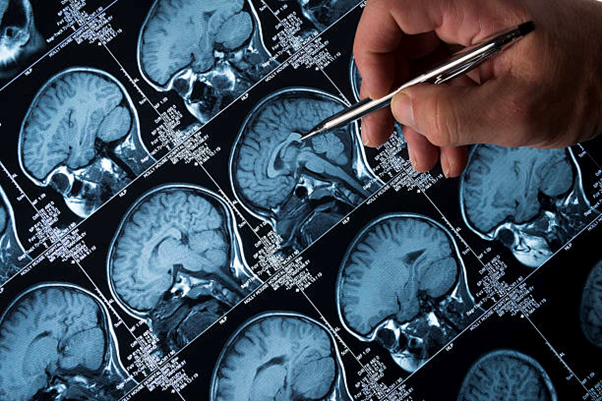
Alzheimer’s disease is caused by the abnormal production of amyloid protein in the brain cells that cause large masses known as plaques. These plaques don’t allow the brain neurons to communicate effectively. Eventually, this leads to the death of the nerve cells.
There is no causative trigger for Alzheimer’s, but from what we know, it is caused by a mixture of lifestyle, environmental, and genetic factors.
Biological Ageing And Alzheimer’s Disease
Alzheimer’s disease can be influenced by biological age. While there’s still a lot of work to be done on this, scientists have been able to link the hallmarks of ageing to neurodegenerative diseases.
The hallmarks of biological ageing involved include cellular senescence, aberrant autophagy, epigenetics and modifications. In tandem with the phenotypes of brain ageing, these hallmarks of ageing contribute to the development of Alzheimer’s Disease.
To break it down, accelerated biological ageing affects the cognitive function of the individual and the neuropathological markers of Alzheimer’s Disease. In effect, biological ageing can contribute to the development of the disease.
In this case, it’s essential that you try to stay as healthy as possible by eating right, staying fit, and ditching vices like smoking and drinking alcohol.
Conclusion
Alzheimer’s is a debilitating disease that worsens as the days go by. It is caused by old age and the overproduction of amyloid proteins that choke the neurons and eventually kill them. Although Alzheimer’s disease shows in patients aged 65 and older, the symptoms usually start ten years before diagnosis and can develop slowly. If you’re genetically predisposed to Alzheimer’s, it’s in your interest to eat healthily, stay fit, and try as much as possible to reverse your biological age.