
































































Islanders are being urged to remain vigilant after a credible sighting of a Yellow-legged Asian hornet was reported in Cowes, with specialists set to arrive on the Isle of Wight next week.
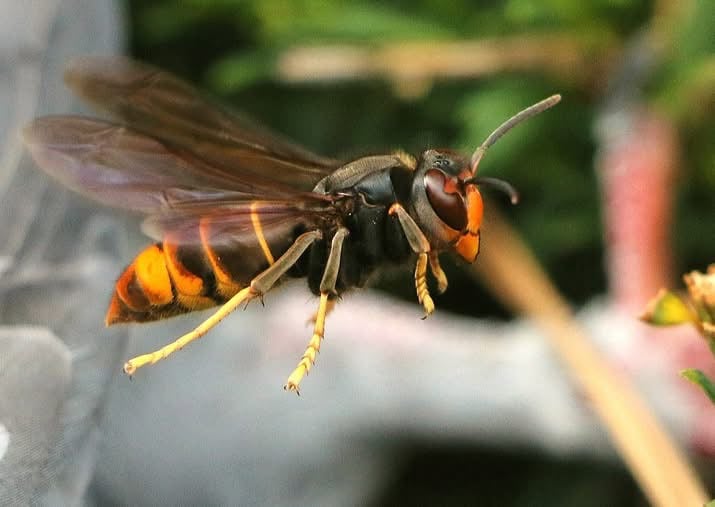
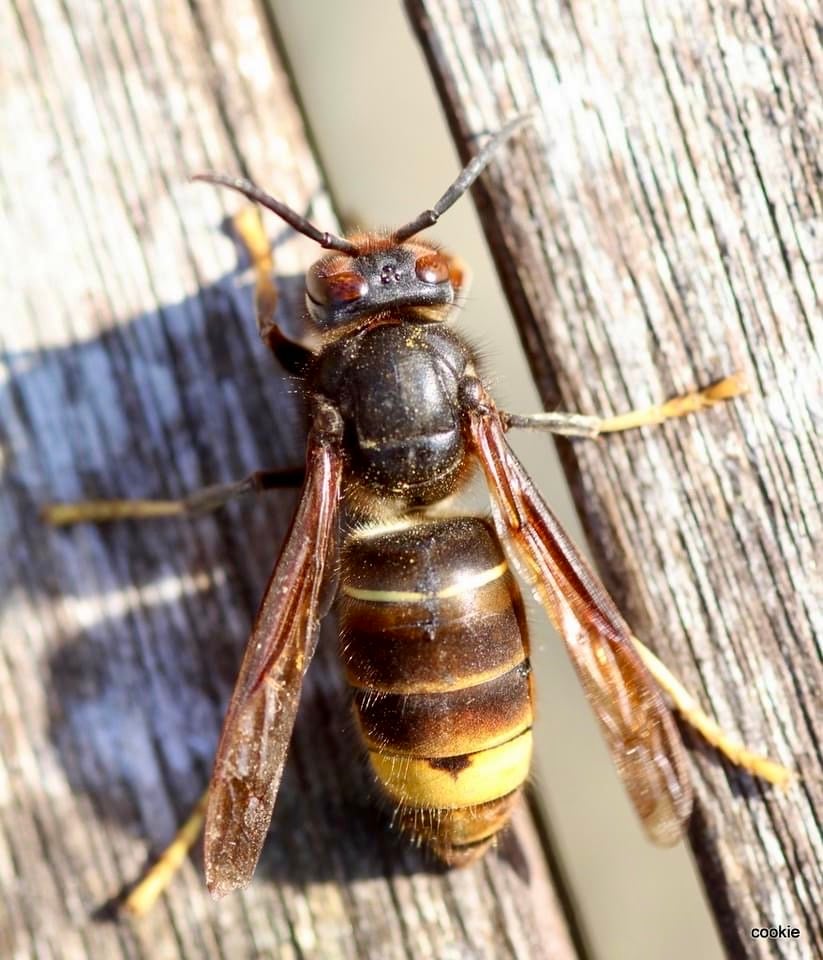
Photographic evidence of a suspected Yellow-legged Asian hornet (Vespa Velutina), also commonly known as the Asian hornet, has been received following the sighting.
The discovery of an individual hornet does not mean the invasive species has become established on the Isle of Wight, but further sightings could prove crucial in determining whether a nest is present.


The Isle of Wight Asian Hornet Team, which raises awareness of the species and encourages the reporting of suspected sightings, has already been monitoring the Cowes area for some time.
The National Bee Unit is expected to arrive on the Isle of Wight next week to provide additional expertise and support.
A spokesperson for the Isle of Wight Asian Hornet Team has said:
“We would particularly like to thank the Islander who spotted the suspected Asian hornet, took a photograph and reported it. They did exactly the right thing.
Article continues below this advertisement “One person taking a few moments to photograph something unusual has given us the opportunity to investigate this sighting properly.”

The team has added:
“We don’t want people to be alarmed, but we do want them to be alert.
“The Isle of Wight is a relatively small area and, with Islanders keeping watch in their gardens, on walks and while out and about, we have thousands of extra pairs of eyes helping us.
“A clear photograph and a prompt report could make a real difference.”
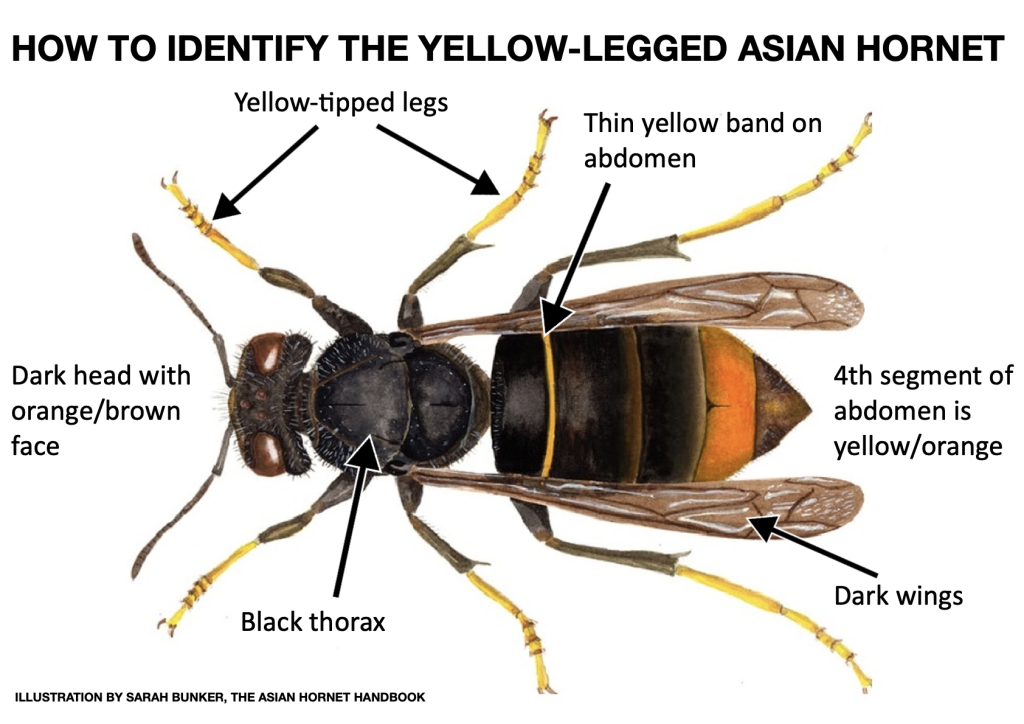
The Yellow-legged Asian hornet is an invasive, non-native species and an effective predator of insects, with honey bees particularly vulnerable.
Asian hornets can hover outside beehives and catch worker bees returning to their colonies, while they also prey on wild bees, wasps, flies and other pollinators.
An established colony can consume a considerable quantity of insects during a season, potentially putting additional pressure on insect populations and the wider food chain.
Islanders are being encouraged to familiarise themselves with the appearance of the hornet. It has a very dark, almost black body, a broad orange or yellow band towards the rear of its abdomen, yellow ends to its legs and an orange or yellow face.
It is smaller and considerably darker than the native European hornet.
Anyone who believes they have spotted a Yellow-legged Asian hornet should not attempt to catch or kill it.
Instead, if safe to do so, Islanders should take a clear photograph and report the sighting immediately using the free Asian Hornet Watch app.
People are also encouraged to note exactly where the insect was spotted and, where possible, the direction in which it flew.
Suspected nests should never be approached or disturbed.
The Isle of Wight Asian Hornet Team is also stressing that native bees, wasps, hoverflies and European hornets should not be killed because they are mistaken for the invasive species.
Yellow-legged Asian hornets are not generally aggressive towards people when away from their nests, but nests should not be approached.
Early detection could give specialists the best opportunity to locate and deal with a nest before a colony can reproduce and spread.