























































Entertainment is one of the most lucrative sectors in the UK, with a growing digital sector worth around £71.3 billion in 2021, a figure that PWC estimates will increase by a further £16 billion by 2025. Inevitably, for that to happen, investment in both digital and non-digital entertainment needs to grow, yet it’s not easy to see how a largely fading offline scene will continue to find an audience across the country.
Cultural History
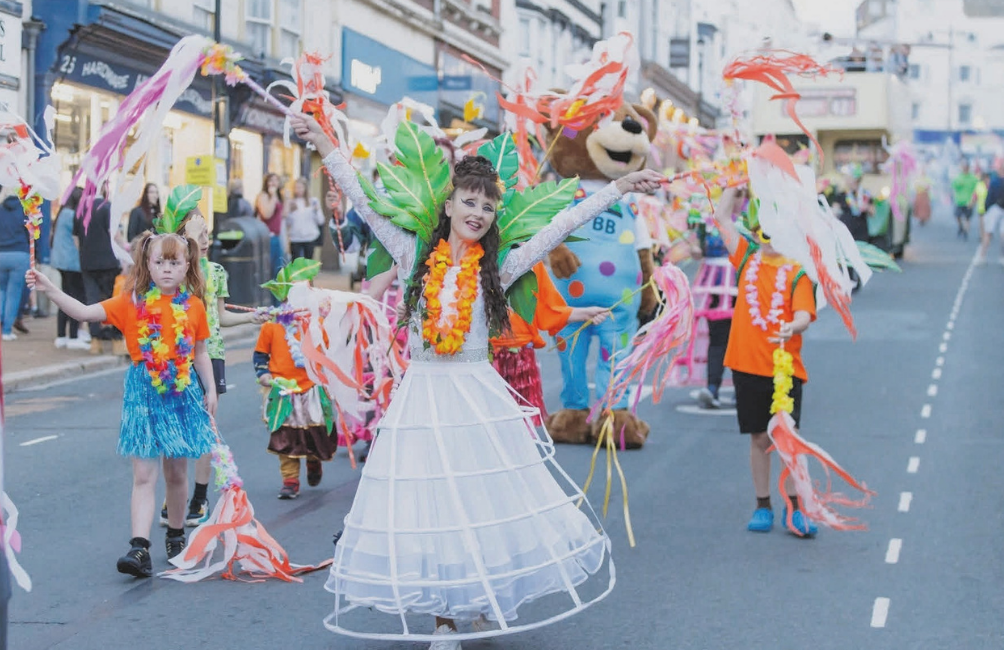
The Isle of Wight has done well as far as keeping its physical entertainment scene alive. The iconic Isle of Wight Festival held in June attracts around 60,000 people each year while more traditional venues, like the Shanklin and Medina theatres, help to bring major names, productions, and bands to the county. Of course, all this spectacle brings money into the Isle of Wight, in the form of tourism.
With more than two million tourists visiting a year, a host of scenic vistas, and a rich cultural history that has seen the likes of Queen Victoria and Alfred, Lord Tennyson migrate to the island, there’s certainly an incentive to boost the island’s entertainment scene further – but where, exactly? Sport, which is still underdeveloped locally, offers a good prospect, but investment in gambling could pay dividends.


Currently, Portsmouth in Hampshire is the closest urban area to the Isle of Wight with a physical casino, which means that the county itself – a place just a little bit smaller than Bedfordshire – is devoid of brick-and-mortar establishments for residents to gamble in. The island’s main source of casinos and sports betting is the internet, which currently serves the Isle of Wight with more than fifty different operators.
Of course, the elephant in the room is the online gambling industry. A lack of physical gambling hotspots doesn’t mean Isle of Wight tourists and citizens are off the grid as, like the rest of the UK, online sites cater to gambling needs. As far as purely online casinos are concerned, it is those with a vast array of games and bonus offerings like Casino Lab and Race Casino that are winning the players’ affections in the UK as a whole, unsurprisingly.
The shift towards a more mobile style of play may suggest a lack of interest in physical venues, but few brick-and-mortar establishments have swapped offline for online gaming. In fact, a business model that maintains both seems to be the norm. A good example is Grosvenor, the same brand that’s operating the Isle of Wight’s nearest gaming hub, mentioned earlier.
The High Street
So, all that considered, the case for a real-life casino remains a strong one. According to the UK Gambling Commission, the wider country is home to 9,036 premises that offer real money wagering of some description. Combined, they contribute to a kitty of £5.9 billion per year. Employment-wise, the number of people working in the gambling industry stood at 46,000 people in 2019, the last date when accurate figures were available.
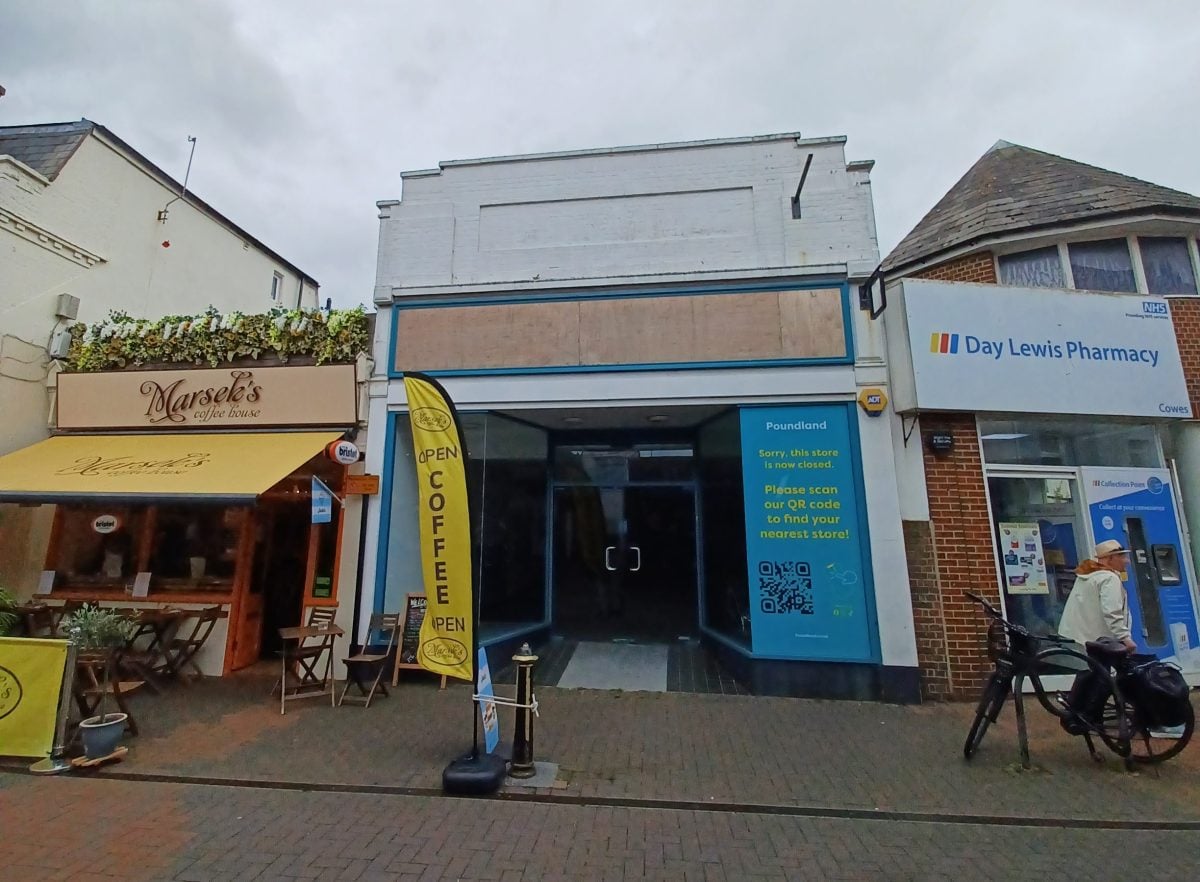
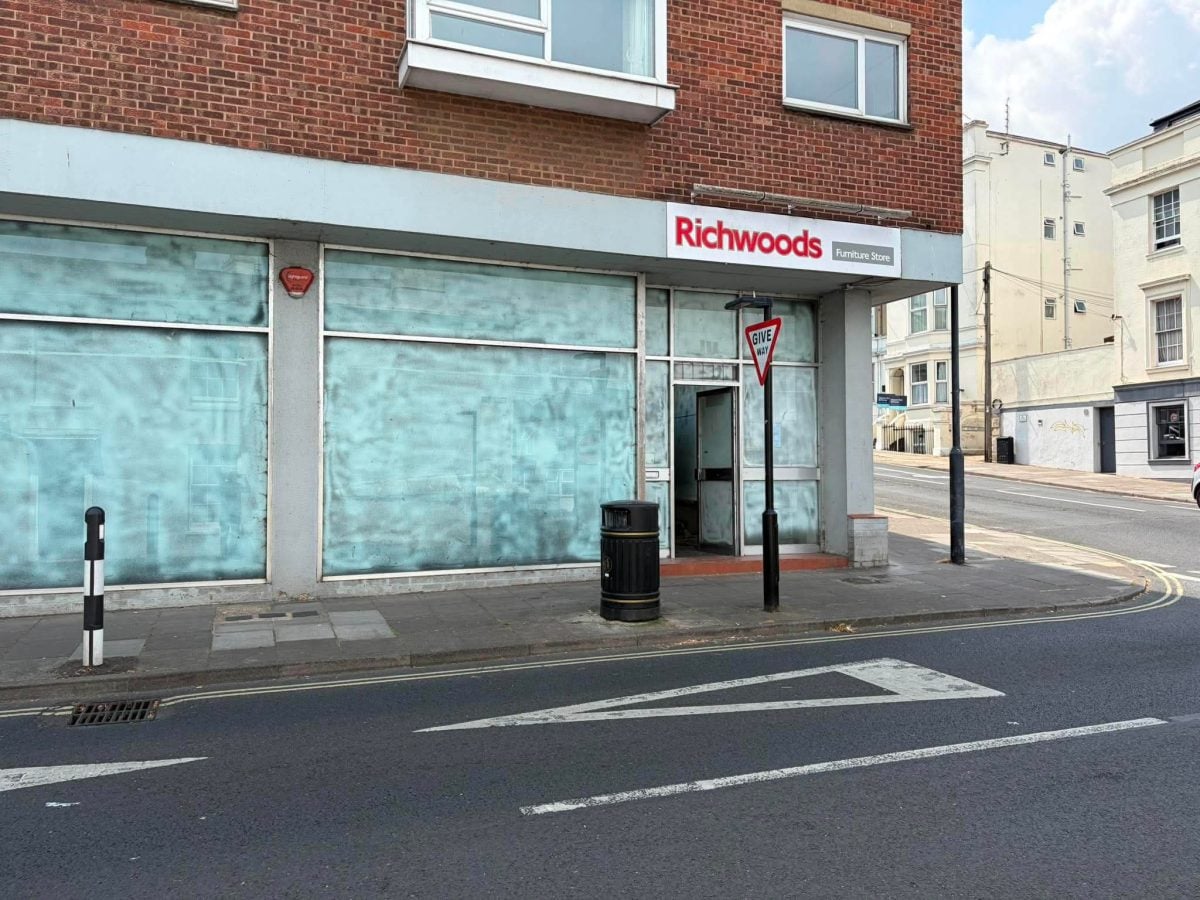
Of course, high-street gambling hubs tend to only produce around ten jobs apiece. However, with shops closing at an unprecedented rate, evidence from Coventry and Doncaster suggests that small-scale casinos do provide a panacea to what might be considered a bit of an identity crisis for the country’s more urban places. One UK casino operator will invest £10 million in its physical premises in 2022.

Does the Isle of Wight need a major casino in its midst? As a magnet for tourism and a source of income, it might be just what the local economy demands.