








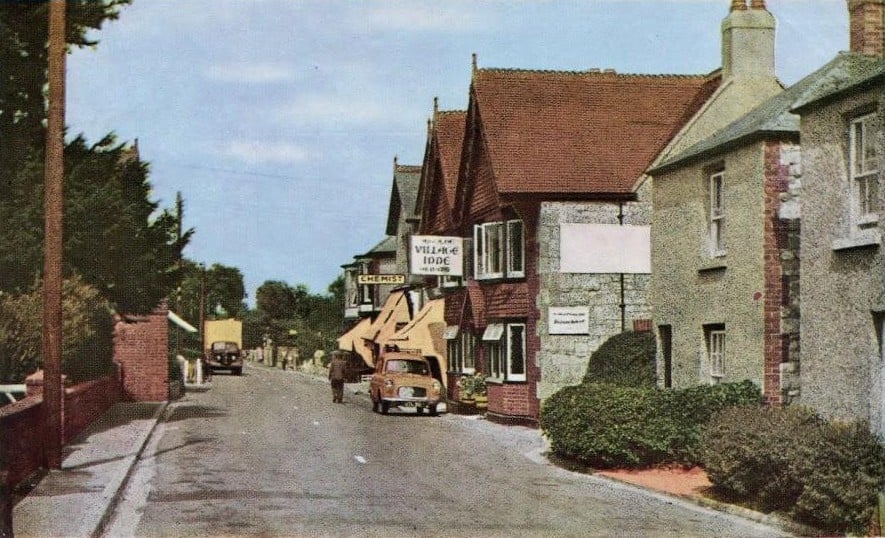
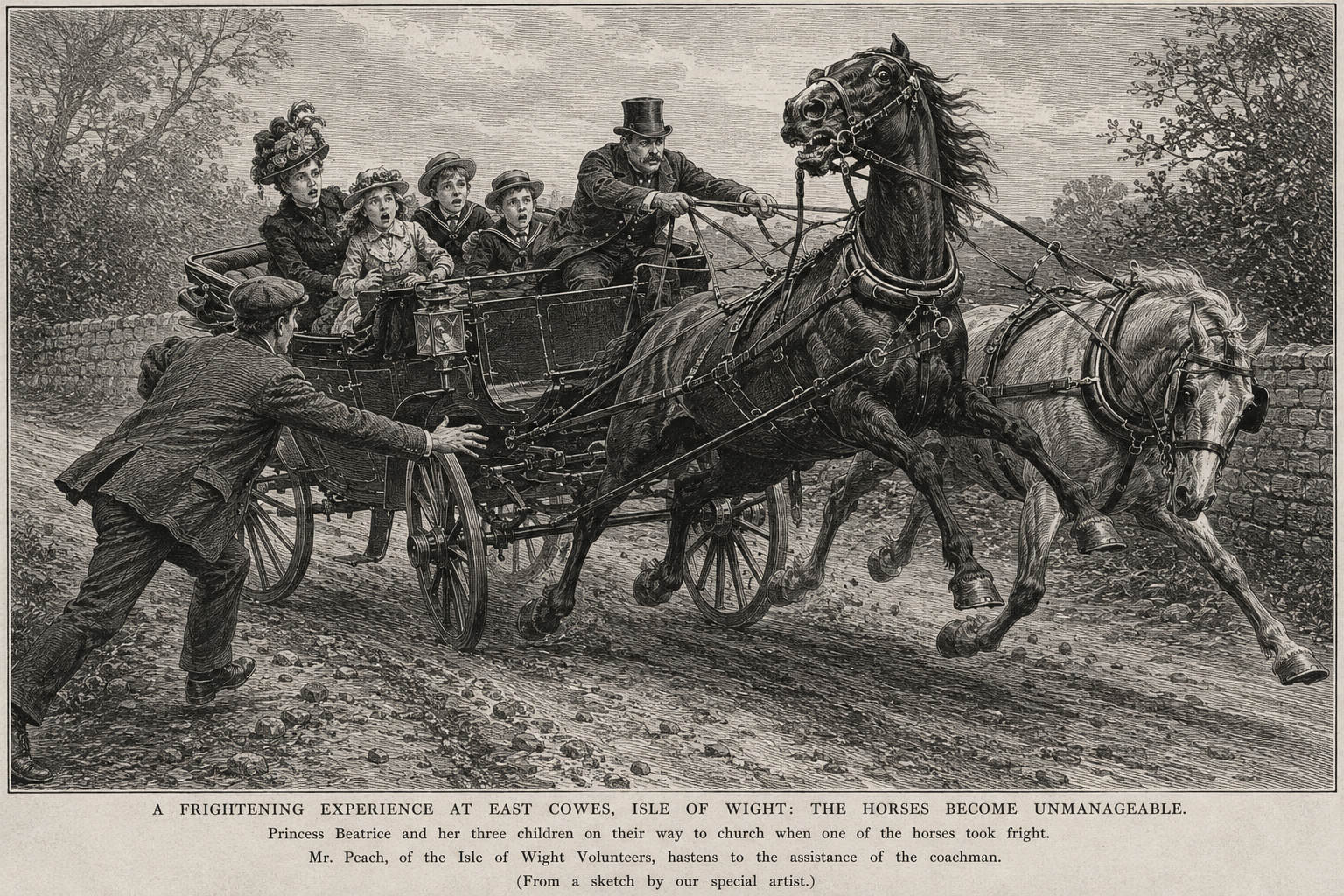
































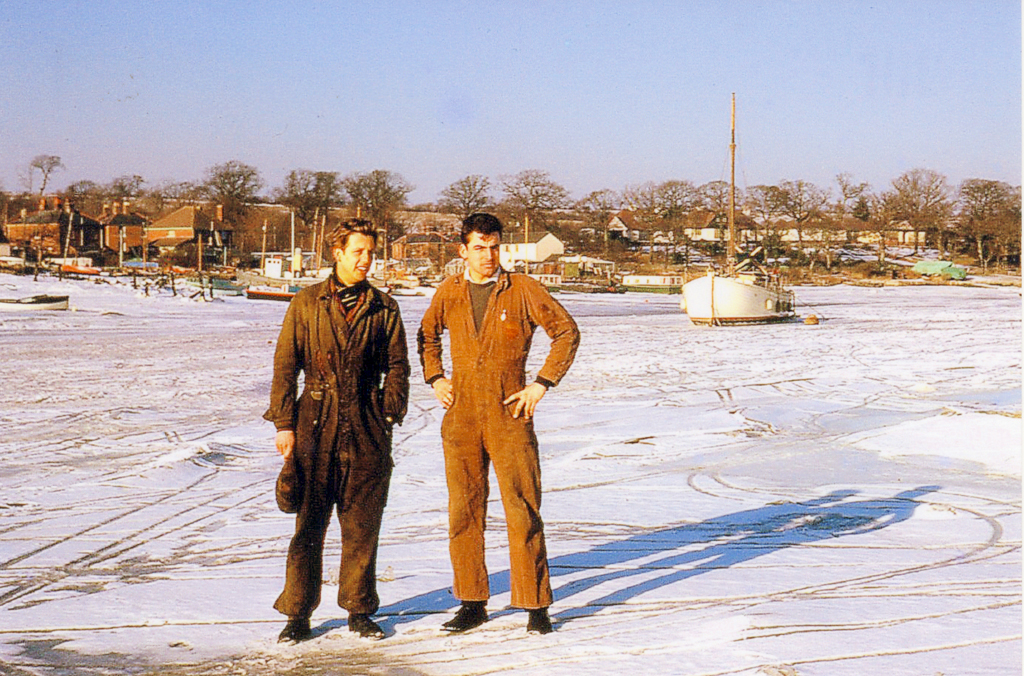
In the long memory of Islanders, few winters have been as stark or as formative as the great freeze of 1962–63.
The Isle of Wight has always enjoyed a reputation for gentle weather and mild winters, a reputation visitors repeat, but older Islanders know is only half the story.
Severe winters were not unknown before the famous freeze of 1963. Old notebooks and parish records recall the winter of 1836, when snow cut off farms and goods had to be dragged across frozen wastes by rustics. The blizzard of January 1881 left children collecting shards of ice from the Solent as if they were relics from another world.


Nothing, however, had quite prepared people for the length and relentlessness of the cold that settled in at the end of 1962.
By the time the New Year arrived, the snow had fallen enough times that it stopped feeling like weather and started feeling like a season without end. On the Downs and in the rural parishes, gates froze solid, hedgerows glittered like glass and footpaths disappeared beneath drifts. Livestock shivered in the cold, and countrymen and women took turns checking animals, sharing fodder and bedding.
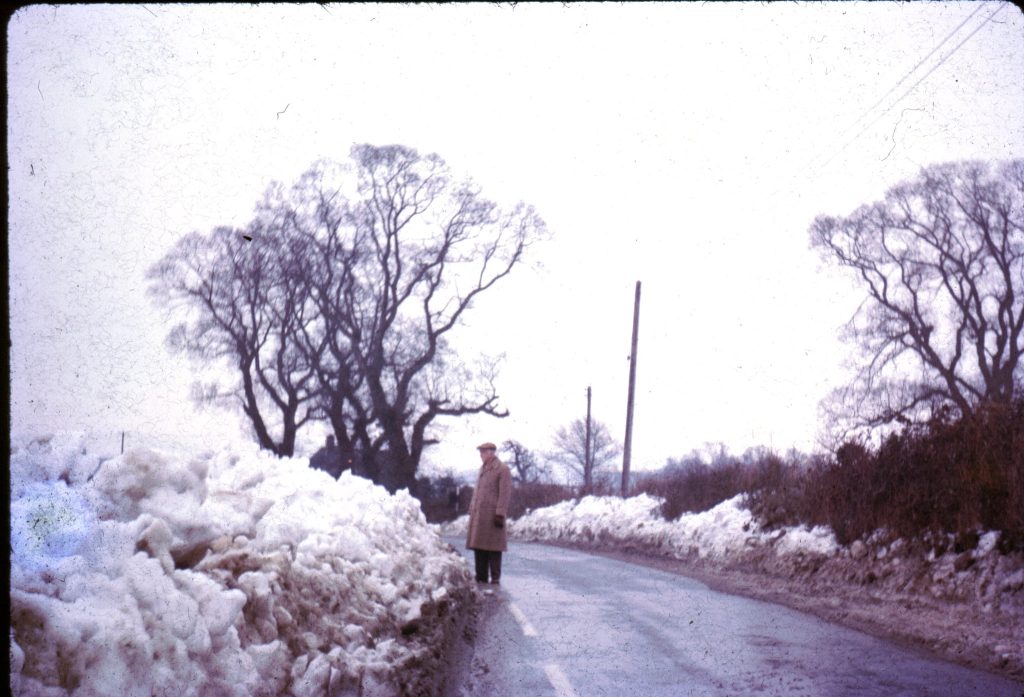
In the towns the problems were different but no less real. In Newport, always the island’s crossroads, roads became treacherous; buses skidded or stalled; deliveries slowed until shopkeepers and shoppers learned to make do with whatever could be obtained.
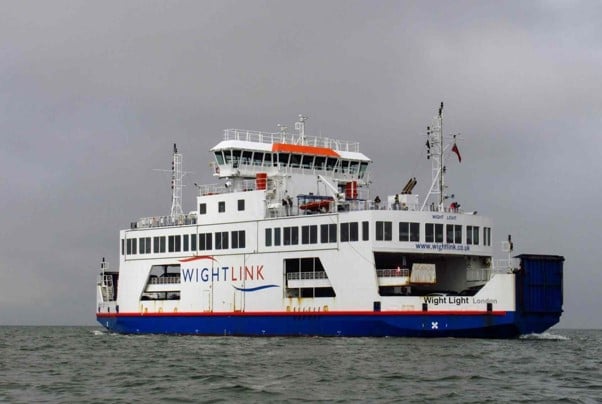
Ryde discovered unexpected vulnerabilities when the Solent – usually too busy and too warm with tidal movement for ice to form – showed ridges and broken sheets at low water. Small craft could not run on several days, and even larger ferries steamed cautiously, aware that drifting ice could damage their hulls.
For those who had to travel daily, the freeze became something remembered in vivid detail. One East Cowes resident, looking back decades later, recalled how even ordinary journeys became ordeals.
“I remember that year. I went to a school in Ryde but lived in East Cowes. Buses couldn’t get up the hills – York Avenue, Lushington Hill, Binstead Hill and so on. Some buses got part way and stopped. People had to walk.
“It was even suggested taking a boat from Ryde around to Cowes, but I didn’t do that. From memory I got as far as Lushington on a bus and then we had to get off. My Dad, in his car from East Cowes, made it as far as the bottom of Lushington Hill and I walked the distance between us.
“We somehow got home. Snow like that on the Island was very unusual.”
Such experiences were repeated up and down the island. At the mouth of the Medina, boats lay trapped in their moorings, rigging brittle and ropes stiff as iron, the sea itself strangely silent. Further south in Ventnor, snow drifted against cliffs and promenade railings, turning familiar streets briefly into an icy wasteland.
Coal became as precious as food. When deliveries faltered, churches, schools and village halls opened their doors and their kettles, and it became normal for neighbours to pass a bucket of coal or a pan of hot tea from one doorway to the next until everyone had had sufficient. Older residents were visited daily by neighbours or schoolchildren bearing soup, bread and a friendly word.

Schools closed, and when they opened they became places to keep warm as much as places of learning. Teachers brewed tea, parents came to sit for a while to escape from the cold, and the simple act of indoors togetherness became as important as any lesson.
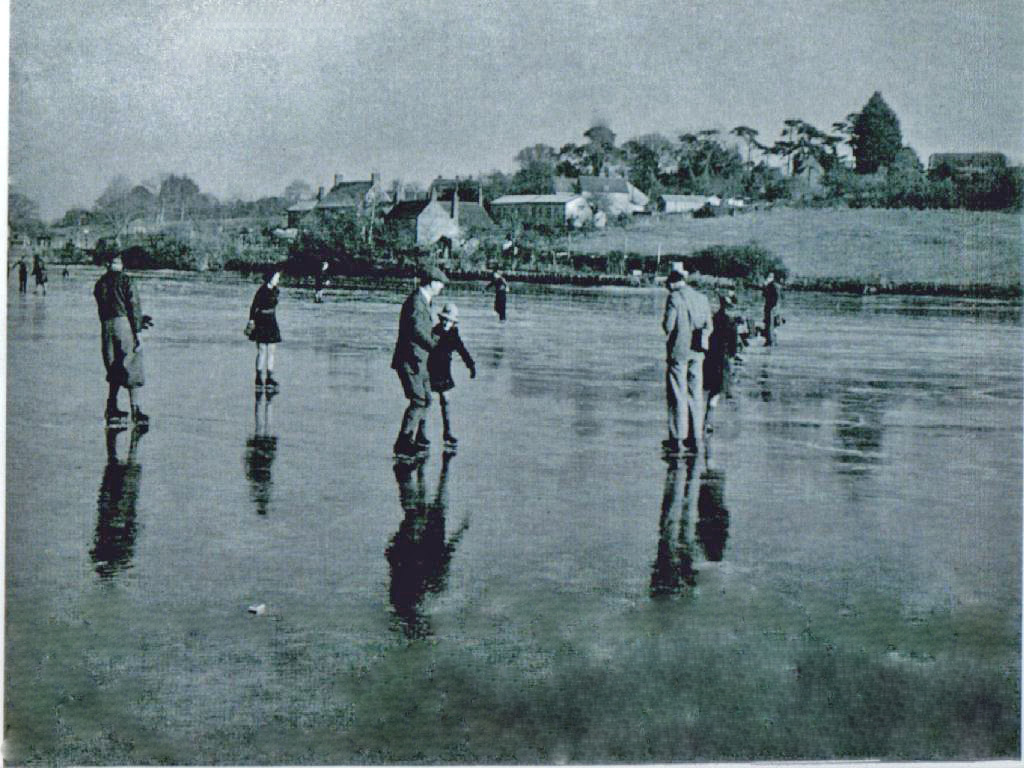
Children, naturally, felt the freeze differently. They remember skating on frozen ponds, sledging down slopes they had never noticed when they were green, and the laughter that froze in sub-zero temperatures. They also recall being warned away from ice that looked safe but was anything but.
Even the practical rhythms of daily life were altered. Housewives rationed their coal carefully; farmers wrapped up new born animals with care and drew water before it froze in the buckets; shopkeepers kept their doors open as long as humanly possible, knowing that for some people a warm room and a cup of tea mattered more than any purchase.
When the thaw came, it did so gently, as though winter itself were embarrassed to leave. Puddles formed; gates opened with groans; livestock stirred from their listlessness; ferries resumed their rhythm; and the island reclaimed its heartbeat until it felt, suddenly, as if the freeze had been but a nightmare.
Every severe winter since has been compared to that of 1963. Some have been stormy, some bitter, some wet enough to remind Islanders that danger can come as water as well as ice. None has matched the feeling of being held still for weeks at a time, nor the shared endurance that came with it.
Do you remember what it was like when even getting home became an adventure, and the island itself seemed to stop and hold its breath?








As a Carisbrooke Grammar School boy of 15, for me that was the only extended period that I ever had to take the school bus from the St Mary’s stop and along Forest Road and Gunville Road to school — which never closed, unfortunately! But that winter was at least a good foretaste of my future life in Finland, where in 1970 I migrated as a teacher — this morning in Helsinki it’s a familiar minus 12°C. HNY!
Thank you for a very interesting read, it was lovely to read about home. I was only just born heard some stories. Just shows you the English people can look after one another in times of extraordinary circumstances.
Memories in this household, are of spending hours on Ryde golf course sliding down on tin trays, not everyone had sledges. The lid of an old “copper” was ideal.
In those days who could afford sledges? We had to make do and improvise.
I can remember skating on Wootton Creek and walking across the Medina(on ice) by the yacht club.
No climate change nonsense in 1963.
Ed wasn’t born until 1969
Back in the winter of 1962/3 we relied on coal to heat our homes and produce our town gas. North Sea gas wasn’t discovered until two years later in1965, and didn’t reach UK homes until 1967. On the Island, our coal was landed at the Medina wharf at Cowes, and dilivered to local gas works and coal merchants by rail – along the Cowes – Newport – Ryde – Shanklin – Ventnor lines. For a while, the railway was the only route into and out of Ventnor. Ironically, at just that moment Dr Beeching was completing his 1963 Report which proposed complete closure of the IW railway.
I was born in December 1962, at home in Upper Ventnor. The snow was so deep that Mum couldn’t get to the hospital.
Dad called the Doctor “down town”, who sent the midwife up on a tractor, with a police escort!