
































































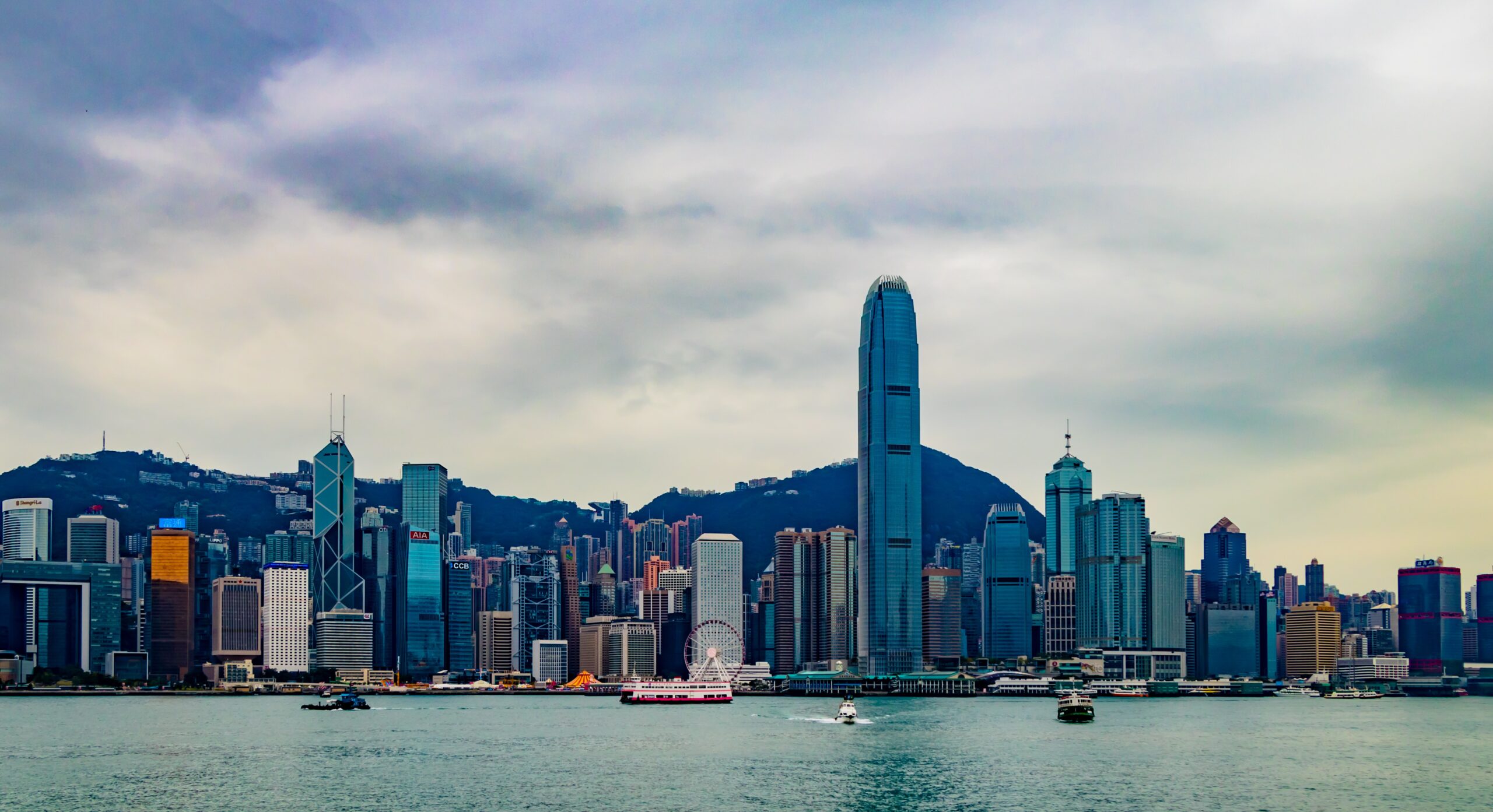

Forming a corporation in Hong Kong doesn’t have to be daunting. Opening a Hong Kong subsidiary may seem like a no-brainer if your firm is looking to grow in the Asian market. Hong Kong is a global financial center because of its strategic location as a gateway between East and West.
Hong Kong, with its closeness to Mainland China, its common law legal system, and its relatively straightforward tax structure, is a desirable destination in which to do international business in Asia. As a result, let’s talk about the foundations of starting a company in that area.
Types of legal entities
For various commercial purposes, several distinct company structures exist. The most typical business structure is a private corporation limited by shares. The Hong Kong incorporation will provide the firm access to all the tax breaks and advantages granted to other legitimate businesses. In the eyes of the law, it exists independently of its proprietors. When deciding on Hong Kong company registration, entrepreneurs here have many options. The various business options are briefly described here.


Private limited company
The limited liability it provides its members is one of its main selling points; a shareholder’s personal responsibility is capped at the amount of share capital contributed.
Branch office
Although not a separate legal organization in its own right, a Hong Kong branch office gives foreign firms direct access to the local market.
It’s important to keep in mind that the parent firm in another country will be held responsible for the branch office’s conduct and liabilities.
Sole proprietorship
In Hong Kong, an individual may set up a business as a sole proprietorship.
Nonetheless, since individuals and the company are inseparable, they are personally responsible for any debts or other responsibilities incurred by the company.

Representative office
The representative office permits a foreign parent business to establish a presence in Hong Kong for the main purpose of conducting promotional operations and researching the local market.
Yet, legitimate business endeavors are prohibited by this structure.
Choosing a name
Company name changes are under the purview of the CR under the terms of the Companies Ordinance. Companies may have either English names (which must finish in “Limited”) or dual English/Chinese names. Any name that uses both English and Chinese characters will be rejected.
Possible reasons for rejecting the suggested name include:
- Identical to, or confusingly similar to, a name in the Companies Registry’s “Index of Company Names.”
- The name is identical to that of an existing corporation or is being registered under an existing Ordinance
- It is offensive or otherwise harmful to the public interest.
Company structure
The following are necessities for a private limited company:
Company director: At least one of the directors must be a natural person, and they may be of any country. A company is also capable of performing the role of director;
Company secretary: At least one natural person who typically resides in Hong Kong or with a Hong Kong firm that has a Trust or Company Service Provider License (TCSP).

Shareholders
There is a minimum of one shareholder and a maximum of fifty shareholders that may be involved in a Hong Kong private limited company. Stockholders do not need to live in a certain location. The same individual can occupy both the roles of director and shareholder. The shareholder must be at least 18 years old and may be from any country, but they must meet the age requirement. A person or a corporation may occupy the position of shareholder. There is no restriction on the percentage of foreign or local ownership. It is permissible to appoint nominee shareholders in a corporation. Meetings of shareholders are legal to convene in any location on the planet.
Registered address
You are required to submit a local Hong Kong address to establish a Hong Kong company. This address will serve as the registered address for the firm. A post office box cannot serve as the registered address; only a physical address may serve in this capacity.
Taxation
Companies that are established in Hong Kong are subject to a corporate tax, sometimes known as a profits tax, at a rate of 16.5% on their assessable earnings. Taxation in Hong Kong is determined on a territorial basis, which means that the only gains that are taxable are those earned in or generated in the territory of Hong Kong. In Hong Kong, the government does not impose a tax on realized capital gains, a tax that is withheld from dividends, or a GST or VAT. Go to the Hong Kong Corporate Tax Handbook for more information on the subject of corporate taxes.
If you’re starting a business in Hong Kong, whether you’re a local or a foreigner, you should choose a professional firm since they know the ins and outs of the relevant laws and regulations and can help ensure your company stays in good standing.