







































RAF Ventnor began as a World War II radar station before extensive bunkers were added to provide protection against nuclear attack during the Cold War – a modern type of fortification.
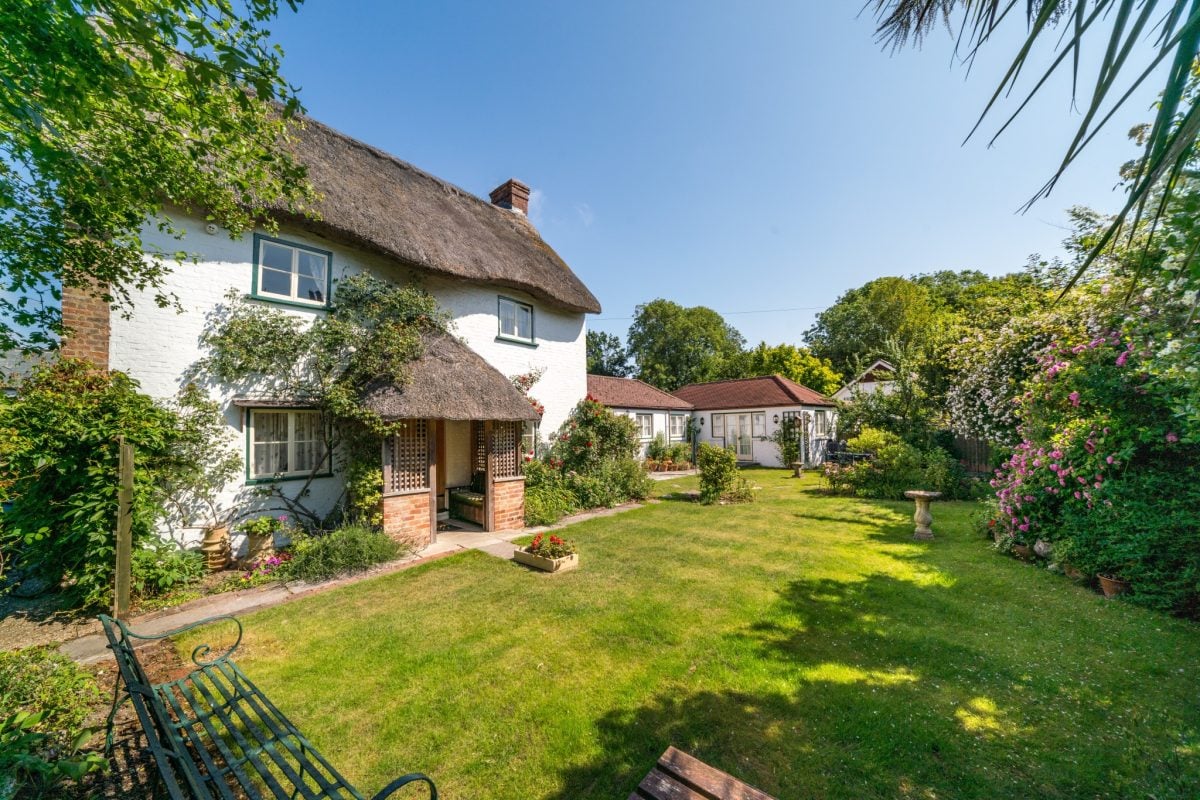
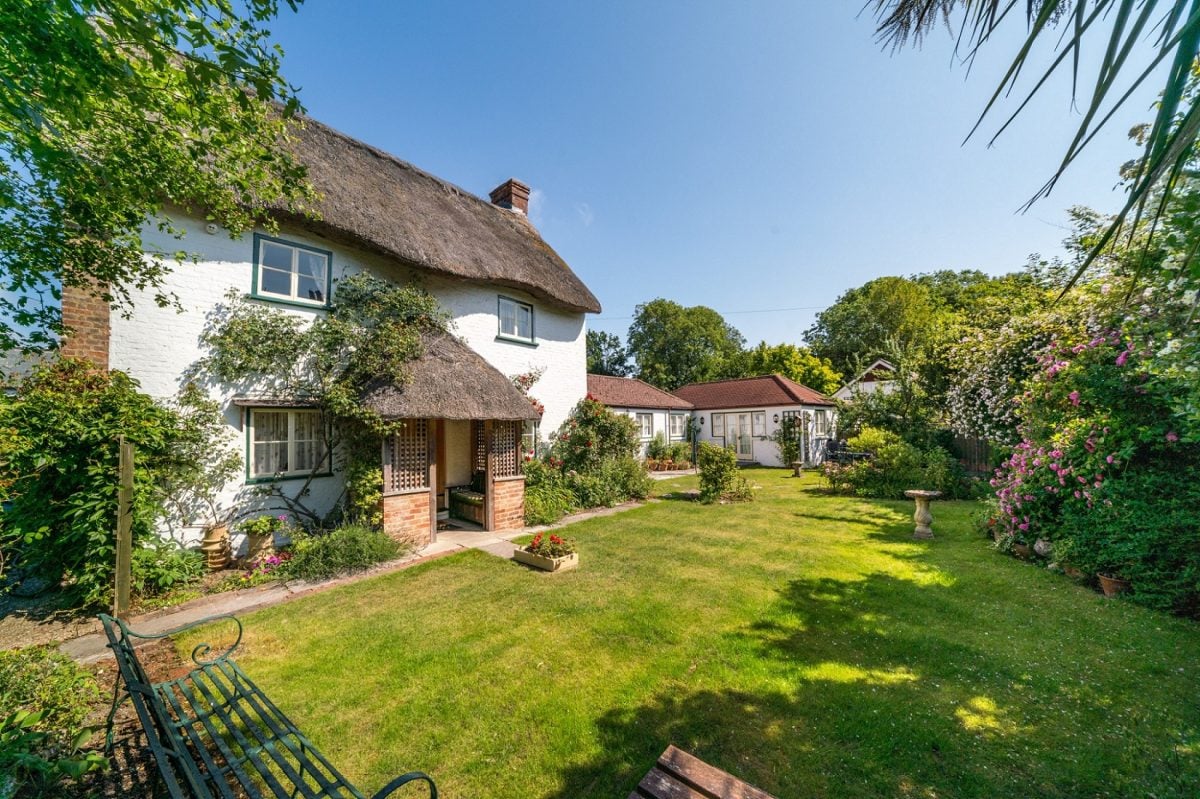
After decommissioning, it was used by the Civil Aviation Authority, then by the local council as an Emergency Command Centre in the event of a nuclear attack – and finally as an unauthorised rave location. The former receiver building has been converted into a holiday home.
The story of RAF Ventnor began with the development of early-warning radars in the mid-1930s, leading the Air Ministry to begin a programme of building a ring of coastal radar stations around the British coast to provide early warnings of air attacks, codenamed Chain Home (CH). Ventnor was 1 of 20 original Chain Home stations authorised in 1937. It became operational in October 1938. The station subsequently went on 24-hour watch from early 1939 and was put on a war footing on 24th August 1939.


On 12th August 1940, Ventnor was 1 of Chain Home stations were targeted for bombing by the Luftwaffe. It suffered considerable damage with most of the buildings being damaged or destroyed. Fortunately, casualties were light with only 1 soldier being injured.
The attack on Ventnor appears in the famous Battle of Britain film. RAF Ventnor played a vital role during Operation Overlord – the codename for D-Day – monitoring both the ships and aircraft involved in the landings.
From June 1944, the station had the important task of detecting incoming German V-1 flying bombs (doodlebugs). Following the demise of Nazi Germany, Britain faced a new challenge: that of the Cold War.
The Government introduced an air defence radar system to counter possible attacks by Soviet bombers carrying nuclear weapons codenamed ROTOR.

In the early 1950s, RAF Ventnor was re-activated as part of Phrase 1 of the ROTOR programme. In 1952, it became 1 of 7 underground Centimetric Early Warning (CEM) stations, providing information on the height, range and size of a potential attacking force.
RAF Ventnor was provided with bunkers – made of 10-foot thick reinforced concrete – which housed RAF workers, who kept a constant watch for any suspicious aircraft up to 300 miles away. The site was largely manned by teenagers, serving their period of compulsory National Service.

Ventnor remained operational until 1957 before being placed into care and maintenance. The Royal Air Force decommissioned the site in 1961 and – from 1962 – it was used by the Civil Aviation Authority (CAA) as a communications station.
In the 1960s, the Linesman radar programme was established to combine military and civil aviation control, known as Linesman/Mediator. The programme refurbished and improved radar defences at Ventnor.
Up until the end of the Cold War, the site was used to detect and intercept Warsaw Pact aircraft. The operations bunker was refurbished as the Isle of Wight Council’s Control Centre and was the Isle of Wight Emergency Command Centre in case of a nuclear attack.

The guardhouse, air vents and emergency staircase of the bunker were demolished in 1991. The bunker itself was sealed shut in 2004 following unauthorised access.
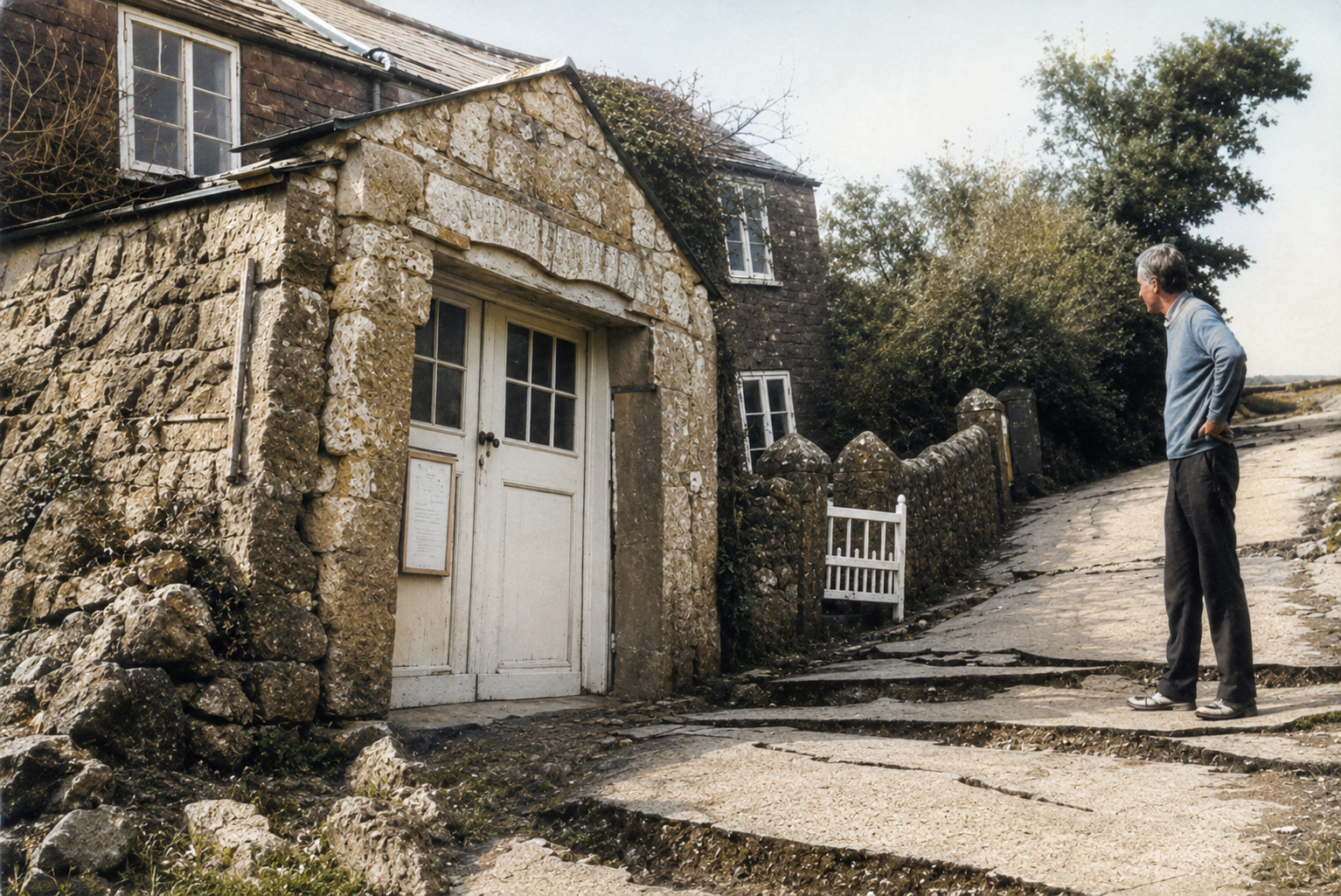
Many of the original features of RAF Ventnor are still present, such as mast bases. The surviving components of the original 1938–1939 Chain Home radar station, such as the receiver building, the three receiver tower bases and any remains of the former station defences including a pillbox, are now Grade II listed buildings.
In the 1st decade of the present century, the former receiver building was broken into and used for unauthorised rave parties. The condition of the underground bunker has deteriorated over recent years and much of it has become flooded
The receiver building was sold in 2005 for £61,000. It was then renovated and put up for sale in 2009 for a cool £995,000. It is currently a holiday let, which can be rented for £300 a night.

In the next edition of Isle of Wight Forts, Island Echo will examine 1 of the famous Palmerston Forts still open to the public: Fort Victoria.










Thank you for another great read and something many of us Islanders know a little about but nice to know that much more.
Let’s hope that it won’t soon be needed to warn us of impending doom from Russia or whoever else the next enemy is decided upon by future Governments.
Likely, in the next war the living will envy the dead, so let them hide in bunkers to send out of Council tax bills, but they won’t enjoy the swelled Pension pots for very long.
These articles are most welcome.
Thank you IE
That is not the bungalow guardroom that is for rent. The bungalow guardroom was situated at the entrance to the site, above the underground bunker, it was demolished when the bunker was sealed off.
Thanks, interesting article.
Thank you another great interesting read on history of the Isle of Wight