




































































A World Gone Digital
In recent decades, the world has undergone a remarkable transformation. The rise of digital technology has changed the way we communicate, work, and consume information. Emails have largely replaced letters, e-books are often preferred over traditional paperbacks, and cloud storage has reduced our reliance on physical documents. Despite this shift, however, the practice of printing remains deeply embedded in both professional and personal contexts.
While it may appear that printing is becoming obsolete, this assumption overlooks the practical and psychological value that physical documents still hold. From offices and schools to homes and creative industries, printing continues to play a vital role in daily life.


Why Printing Still Matters
One of the main reasons printing persists is its reliability. Digital devices can fail, batteries can run out, and files can become corrupted. A printed document, on the other hand, is tangible and immediately accessible. For important materials such as contracts, academic papers, or official records, having a physical copy offers reassurance and permanence.
Moreover, many people find it easier to read and retain information from paper rather than screens. Studies have suggested that comprehension and focus can improve when reading printed materials. This is particularly relevant in educational settings, where students often benefit from annotating and highlighting physical texts.
In professional environments, printing also supports productivity. Meetings frequently rely on printed agendas or reports, allowing participants to follow along without the distraction of screens. Additionally, industries such as design, architecture, and publishing still depend heavily on high-quality printed outputs.
The Role of Technology in Modern Printing

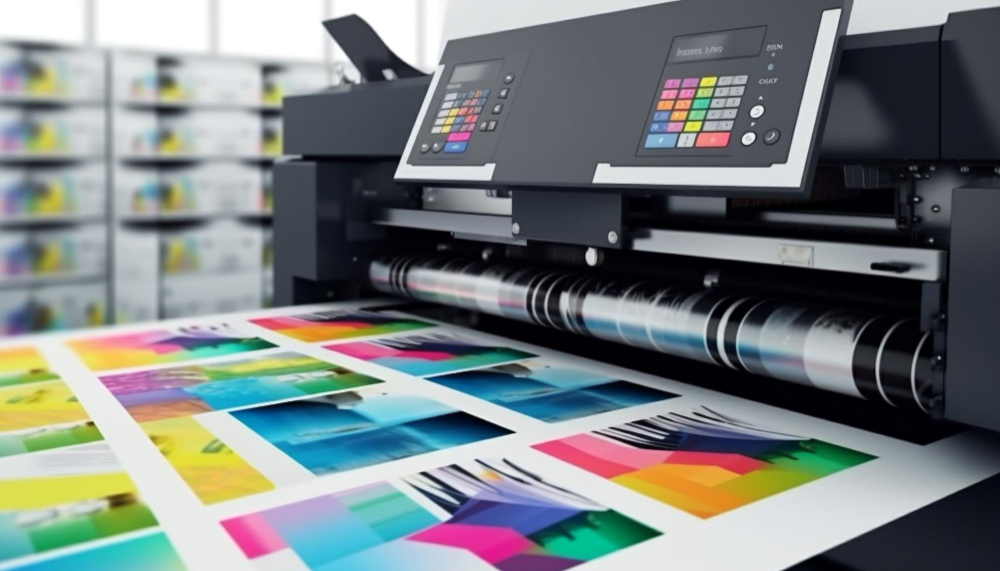
Although printing remains relevant, it has certainly evolved. Modern printers are more efficient, compact, and capable than ever before. Wireless connectivity allows users to print directly from smartphones or laptops, while advancements in ink technology have improved both quality and cost-effectiveness.
For example, businesses and individuals alike often seek reliable supplies such as HP printer ink from Viking to ensure consistent performance and professional results. Access to dependable ink and materials is essential for maintaining the quality of printed documents, particularly in environments where presentation matters.
At the same time, sustainability has become a key consideration. Many organisations are adopting eco-friendly printing practices, such as using recycled paper, reducing unnecessary prints, and choosing energy-efficient devices. These efforts demonstrate that printing can coexist with environmental responsibility when managed thoughtfully.
Balancing Digital and Physical Worlds
Rather than viewing digital and print as opposing forces, it is more accurate to see them as complementary. Digital tools offer speed, convenience, and accessibility, while printing provides tangibility, clarity, and reliability. Together, they create a balanced system that caters to a wide range of needs.
For instance, a document might be drafted and edited digitally, shared via email for feedback, and then printed for final review or presentation. This hybrid approach leverages the strengths of both mediums, ensuring efficiency without sacrificing quality.
Looking Ahead
As technology continues to advance, the future of printing will likely involve further integration with digital systems. Innovations such as 3D printing, smart printers, and cloud-based workflows are already reshaping the landscape. However, the fundamental value of having something physical in hand is unlikely to disappear.
In conclusion, printing remains an essential part of modern life, even in an increasingly digital world. Its reliability, practicality, and unique advantages ensure that it continues to serve individuals and organisations alike. Rather than fading into irrelevance, printing is adapting and evolving—proving that sometimes, the traditional approach still holds significant worth.