
















































Island Echo examines some of the less salubrious drinking establishments of the Isle of Wight’s County Town during the reign of Queen Victoria.
“Newport is on fire with the flames of licentiousness and lust” – so stated an 1859 pamphlet entitled ‘Tempters and the tempted’ compiled by the Rev Carus Wilson and Henry Smith.
The matter came to a head at a Town Council meeting in July of that year. The Mayor defended the honour of his town, claiming that it was less affected by venereal disease than any other garrison town he knew. However, after a heated debate, the Council resolved to encourage the Police to put down dancing houses and brothels, seek to prevent fighting in the street and discourage lewd and improper conduct.


We have a tendency to believe life was more law abiding and sedate in the past. But in the 19th century, as many as a thousand soldiers were stationed at Parkhurst with hundreds more in various Palmerston forts dotted around the coast of the Isle of Wight. An army of prostitutes was required to service their needs, many operating from the then 50 or more public houses of Newport.
By far the most notorious of the Victorian public houses was the Tontine on South Street, described in the following Island Echo article here.
Here are a few more ill-famed drinking establishments from bygone Newport…
The Dog and Pheasant
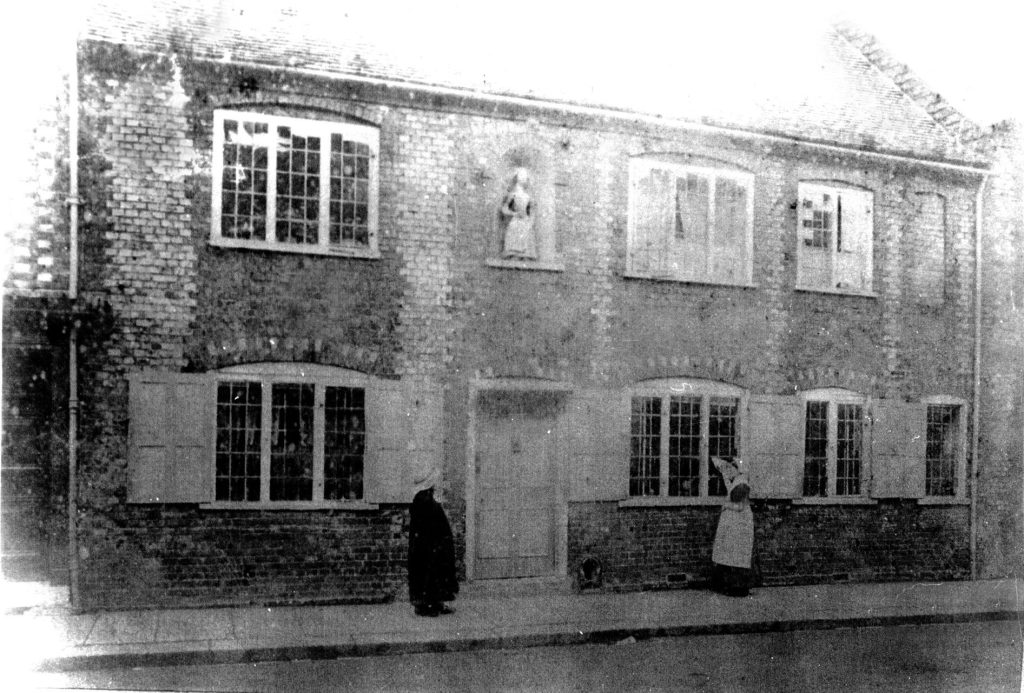
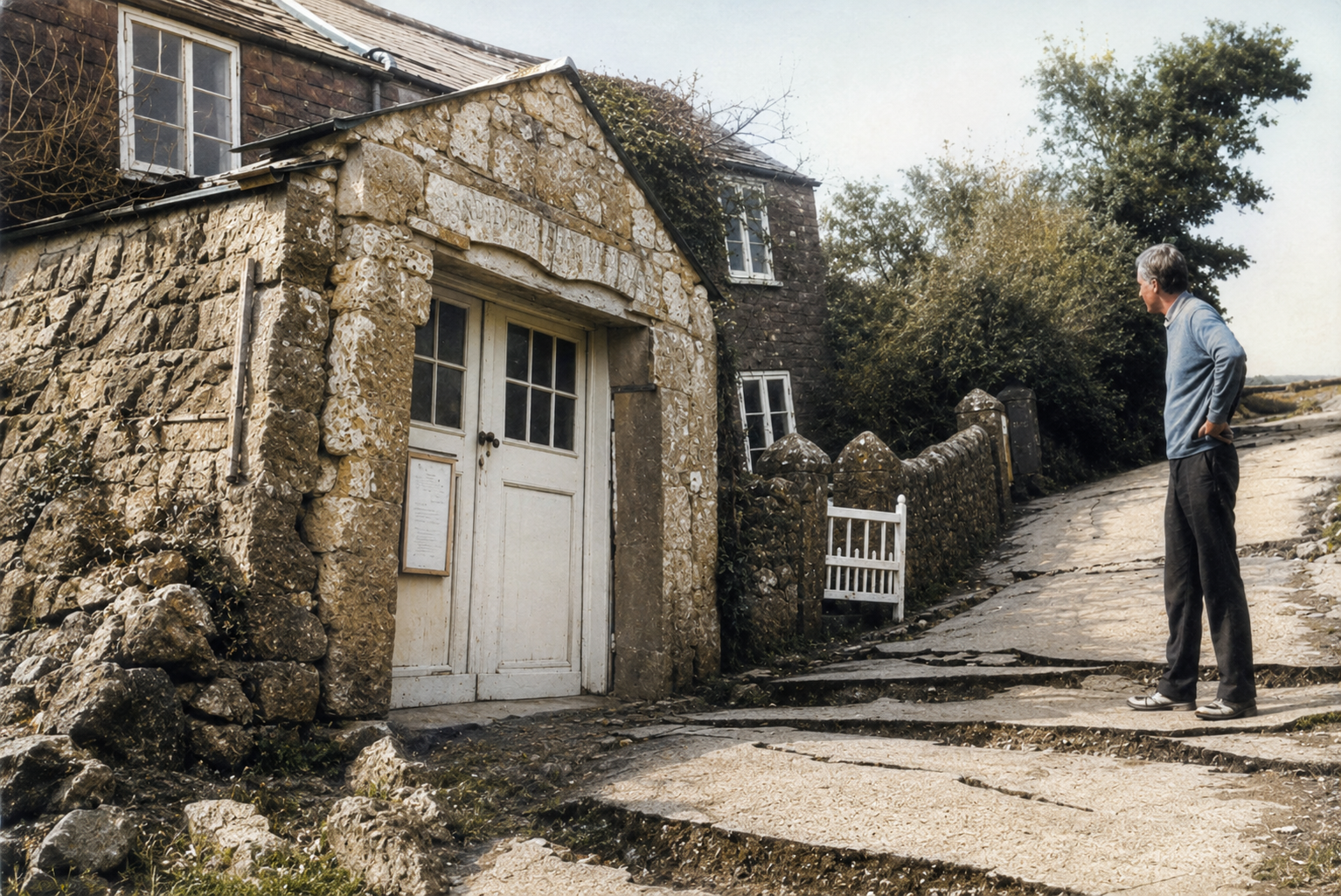
The Dog and Pheasant was situated next door to the Blue School in Crocker Street.

Its location was hardly ideal for scenes of debauchery as the neighbouring school had been set up to save young ladies from the life led by the harlots frequenting next door. The management of the school were compelled to build a wall next to the Dog and Pheasant to “hide the gross scenes of immorality that may be witnessed from the eyes of the children”.
Police Superintendent Grapes said of his inspection on 3rd December 1845:
“The landlord denied at first that there were any soldiers in the house. I went into a bedroom, I saw two soldiers in bed with common prostitutes. I have warned the landlord and his wife a dozen times.
“I have received 15 or 20 complaints from respectable people in the neighbourhood. I myself have witnessed great disorder at the house with dancing and fiddling every night. On two or three occasions I have gone there for girls who have left their parents, from 16 years old to 22 or 23. On two occasions, I have taken the girls away.”
The Valiant Soldier
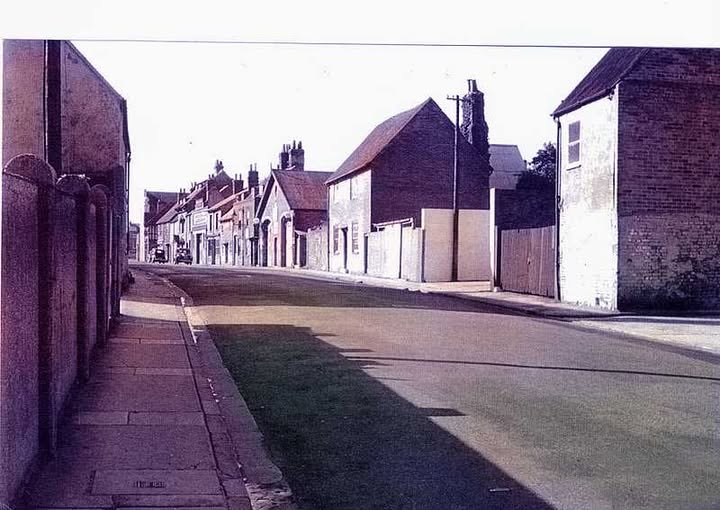
The Valiant Soldier was located opposite Morrisons on South Street.
It opened as far back as 1740. It closed in the 60s and was demolished when the fire station was built.
!n 1870, the landlord of the Valiant soldier was taken to court charged with allowing his house to harbour known prostitutes and ignoring drunkenness. He was fined £1 (£100 in today’s values).
Coopers Arms
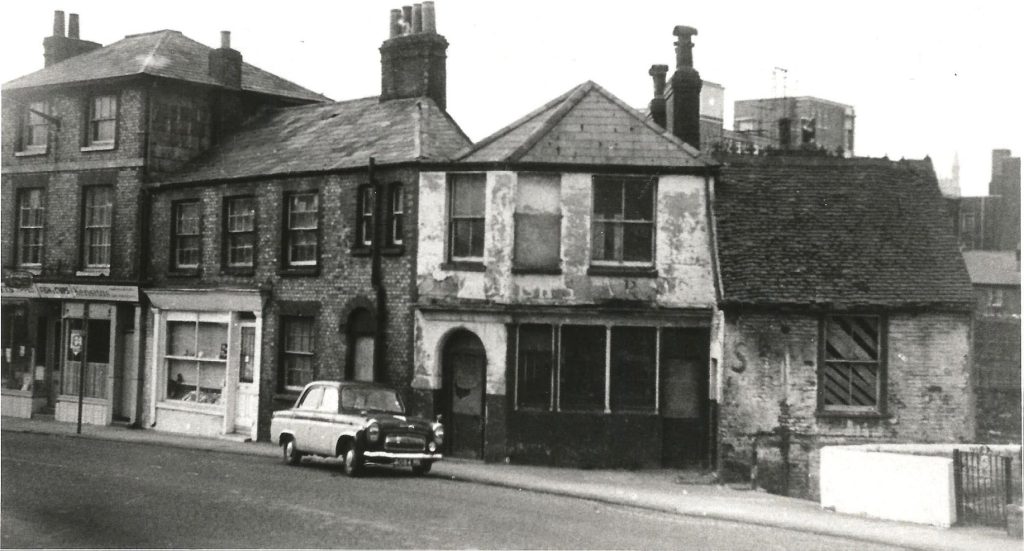
The Coopers Arms was located at Coppins Bridge.
It opened as a working men’s pub in the early 19th century before closing in 1956, falling into dereliction and then being demolished when the Coppins Bridge roundabout was built.
A 19th century police visit led to a policeman giving evidence of his having seen three prostitutes in the bar and a further five around the door.
The Soldiers Joy
The Soldiers Joy was located on Trafalgar Road but sadly no photograph survives to the present day.
In 1875, its landlord John Chick was fined £1 (£100 in today’s values) for keeping a disorderly house. When the Police had come calling at 3 o’clock in the morning, they had discovered an inebriate lying downstairs with a prostitute beside him, two further men with two prostitutes in one of the bedrooms and a man with a lady of the night in another bedroom.
The Dolphin
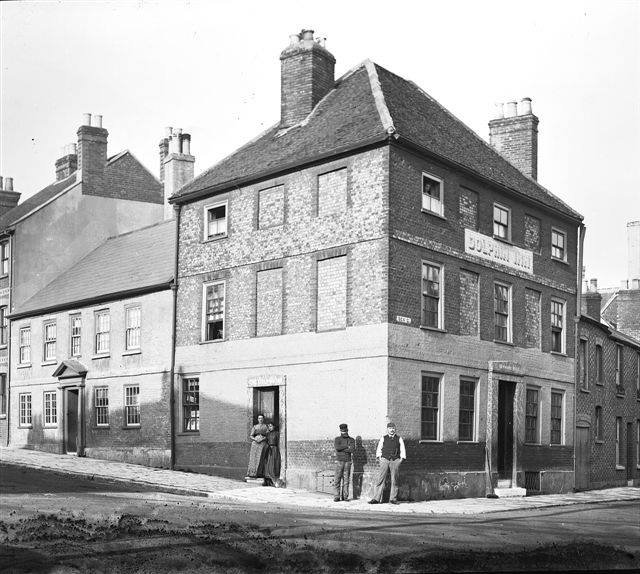
The Dolphin on Sea Street dates from 1758 and closed its doors in 1969.
Its claim to infamy was a double murder in 1800 when two soldiers of the North Hants Militia were stabbed by Dutch soldiers of the premises.
The Hampshire Chronicle reported:
“Two soldiers, belonging to the North Hants militia, and a party of Dutchmen being together, a dispute arose, owing to one of the militiamen having accidently fallen against a Dutchman, which he thought was an insult, and resented it with a blow; a scuffle ensued, when the Dutchmen (according to the custom of their country) drew their knives, and stabbed both the militiamen in so shocking a manner, that one died on Tuesday, and the other on Wednesday. A third person, brother to the landlord of the house, was also cut in several parts of his body.”
What happened to the assailants has never been recorded but a donation of £300 (£22,000 in today’s values) was made to the widow of one of the men by the Dutch army.
Do you know of any tales of infamy or immorality of Newport of bygone times? Let us know in the comments…










What a story nothing changes they where fiddling in those days
Great story.
sounds like a great time to be in Newport (if you’re up for it…)
but in the part “two further men with two prostitutes in one of the bedrooms and a man with a lady of the night in another bedroom”
I wonder why the different descriptions of “prostitute” and “lady of the night” in the same sentence…AFAIK,.the two had the same meaning (unless there was some difference back then?)
In a hundred years nothing has changed in newport, if fact it seems tohave got worse.