





















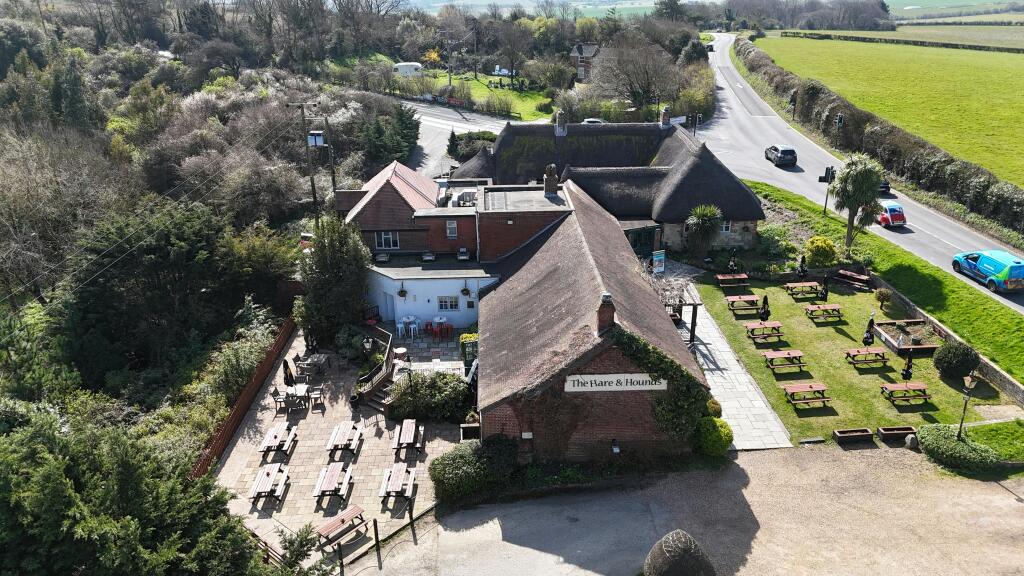













In the 3rd edition of Isle of Wight pubs, Island Echo examines the history of a few of the more (or less) respectable licensed premises of Newport.
Although it has never had as many licensed premises as Ryde, historically the County Town has never had a shortage of pubs.
In 1904, there were 65 premises where alcohol could be bought. By 1918, this number was down to 59: 43 licensed houses, 8 beer houses, 5 off licenses and 3 clubs.


At the turn of the 20th century, drunkenness was a serious problem in the town centre, and several were recommended for closure by the local police. 15 of the town’s pubs came under the ‘difficult to supervise’ category.
In 1910, a member of the licensing committee asked why prominent members of the town of good social standing, who were clearly under the influence of drink on polling day of that year’s general election, had not been prosecuted. He moved a resolution that this be brought to the attention of the chief constable. The proposition was voted down by 4 votes to 3.
At the outbreak of war in 1914, the Staff Captain in charge of Parkhurst barracks demanded that the opening of licensed premises be restricted to between 09:00 until 21:00, in view of the fact that many of the soldiers under his command were overindulging. The licensing committee agreed but allowed the sale of alcohol until 22:00 on Saturdays.
Here is the history of a few of the famous (and infamous) pubs in Newport…
The Tontine (South Street)
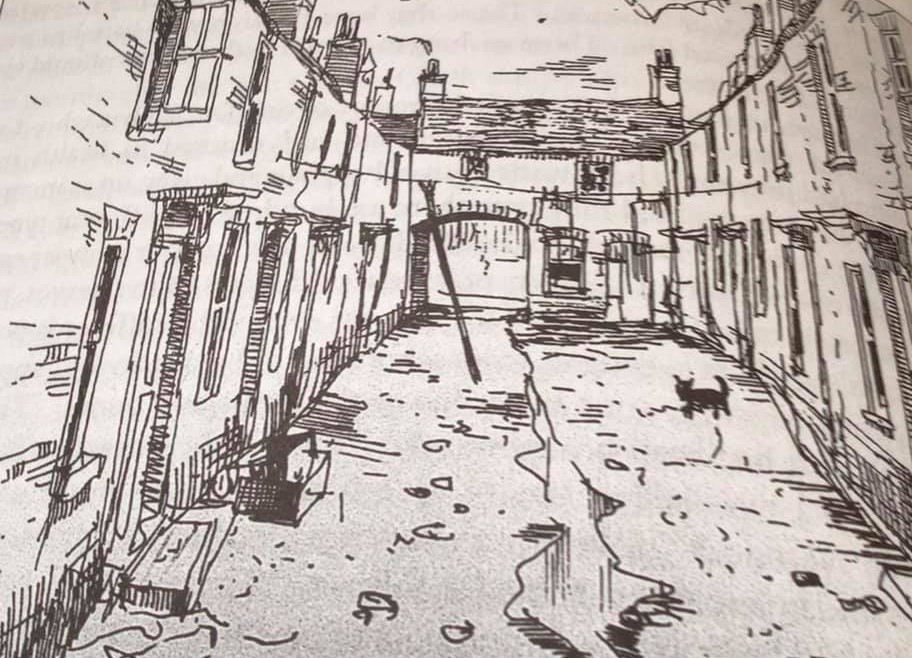
The first is the the Bugle Hotel
The Eagle Tavern and the Vine
The Soldier’s joy, and Paddy’s Goose
And then comes the Tontine
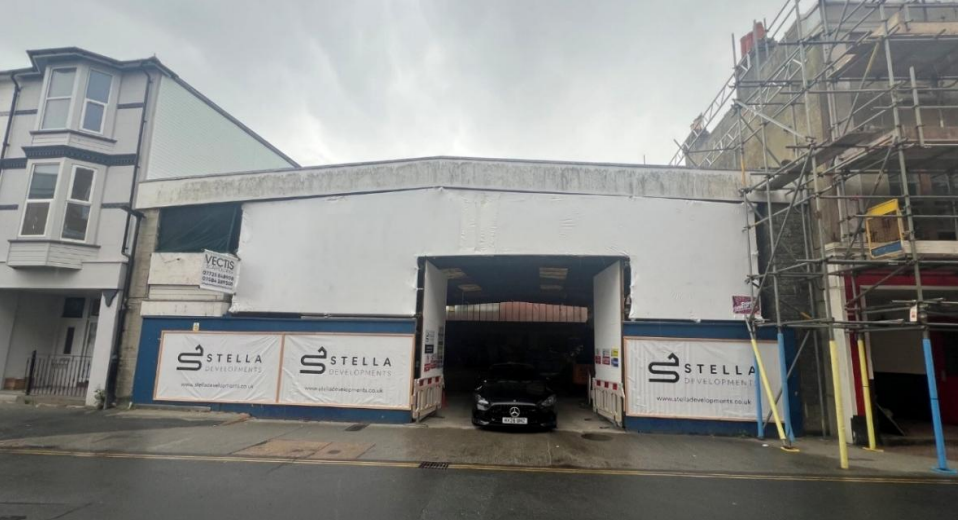
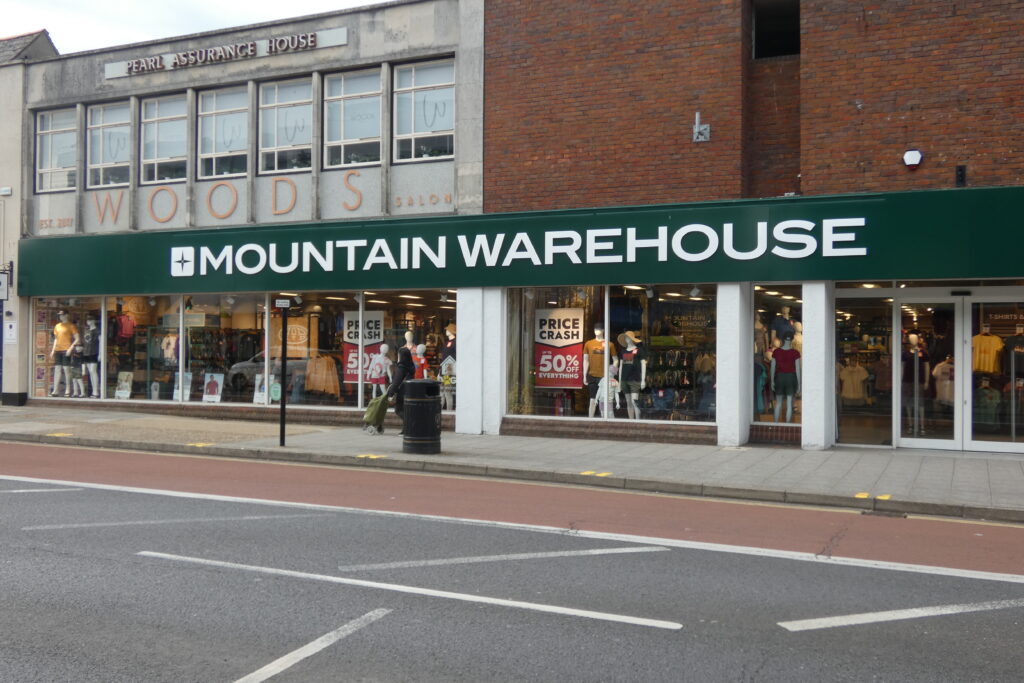
Of all the pubs in Newport, the most notorious was the Tontine on South Street. It was located opposite the present day bus station, where Mountain Warehouse is currently situated.
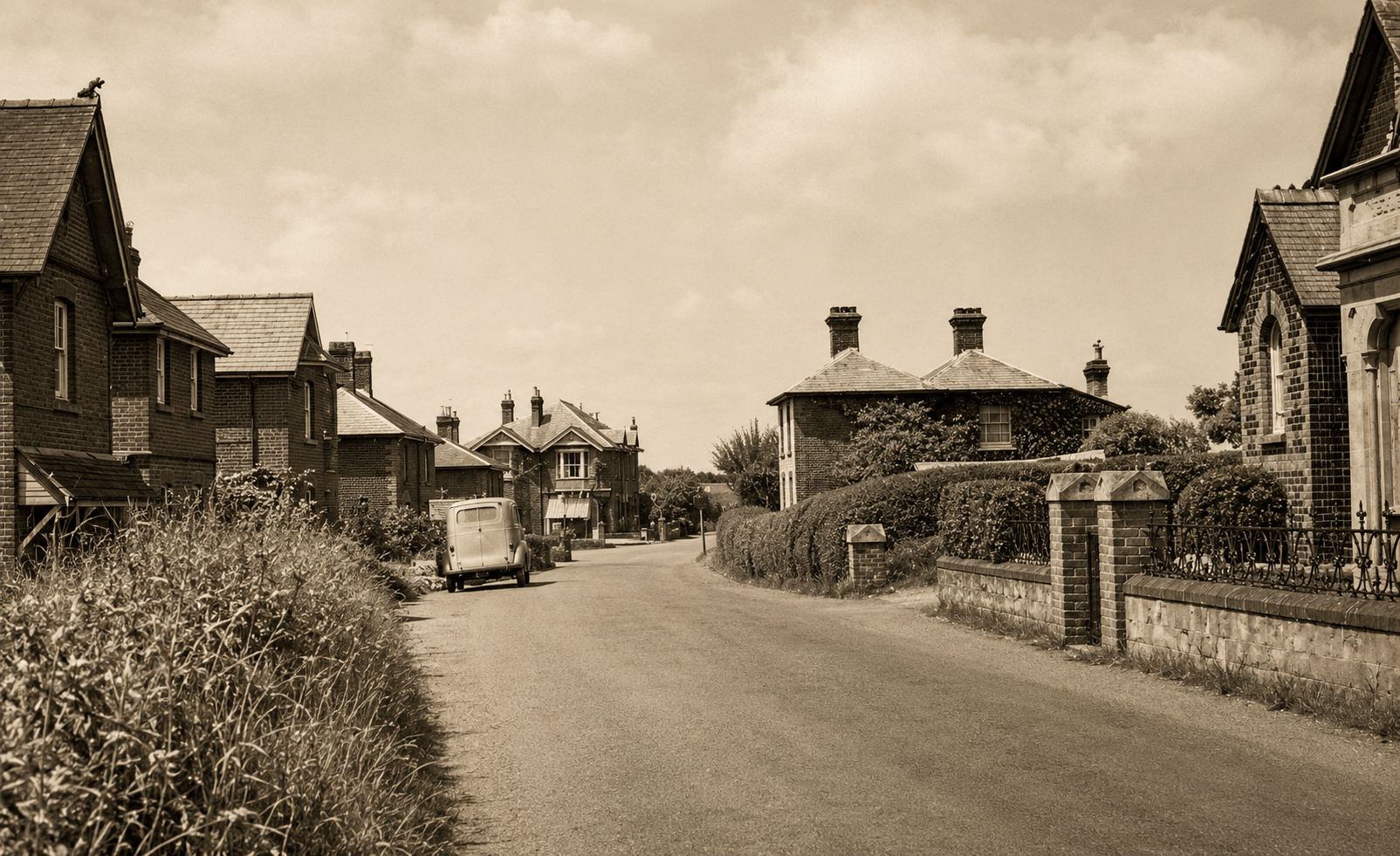
South Street was Newport’s 19th century slum district. It contained slaughter houses, bone yards, and rag and bone men with all the unpleasant odours of these professions. An open sewer ran down the middle of the street.
South Street became Newport’s 19th century red-light district. With a thousand-or-so soldiers at Parkhurst barracks, those engaged in the world’s oldest profession were never short of clients.
The Tontine public house was at the epicentre of the then Isle of Wight sex industry. it was the 1st port of call for the police after any criminal activity. It was perhaps tolerated by the authorities to keep social problems in a single part of the County Town.
Court reports record numerous cases of immoral activities in and around the Tontine public house. For example, in 1853, prostitute Ann Baker was charged with being drunk and disorderly in the vicinity of the Tontine. The following year, Caroline and Ellen Pearce were found guilty of soliciting in the street where the Tontine was located. Also that year, 4 soldiers from Parkhurst barracks were charged with breaking into the house of a prostitute in the Tontine yard.
The Tontine and its surrounding yard were demolished in the 1930s. Its inhabitants were rehoused in Prospect Road and Barton Road, where – for the 1st time in their lives – they had their own toilets and running water.
The Rose & Crown (St Thomas’ Square)
I see there is the Rose and Crown.
And the Inn called the Lord Byron,
There is the Prince Regent, and the Globe
And the Red and White Lion
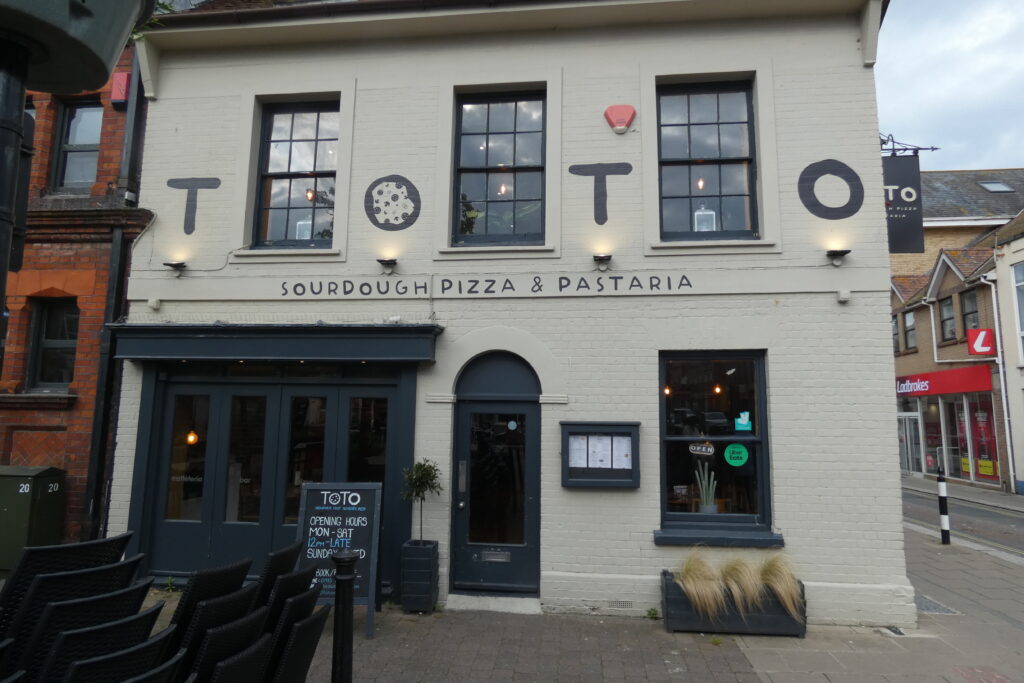
This old and famous pub – that sadly no longer exists – was originally called the Crown.
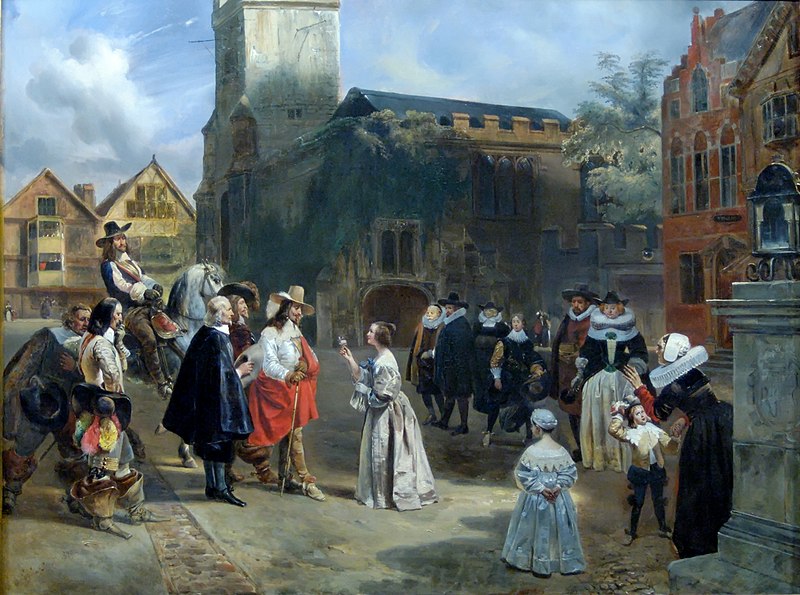
Legend has it that the “Rose” part of the name dates from the 23rd November 1647, when a lady named Frances Trattle presented a rose to King Charles I, as he rode through Newport on his way to imprisonment in Carisbrooke Castle.
Sadly, the Rose & Crown Inn closed in 1996 when the landlady went bankrupt. It then became a French-themed pub: the Moulin Rouge. It is now the Toto Pizza and Pastaria.
The tale of the rose was immortalised in an 1829 painting by French artist Eugene Lami, that is currently in the Louvre, Paris. The backdrop to the painting is recognisably St Thomas’ Square.
The Castle (High Street)
There’s the Castle, and the Crispin,
And there is the Castle View,
And there’s the Valiant Soldier,
And the Red, White and Blue
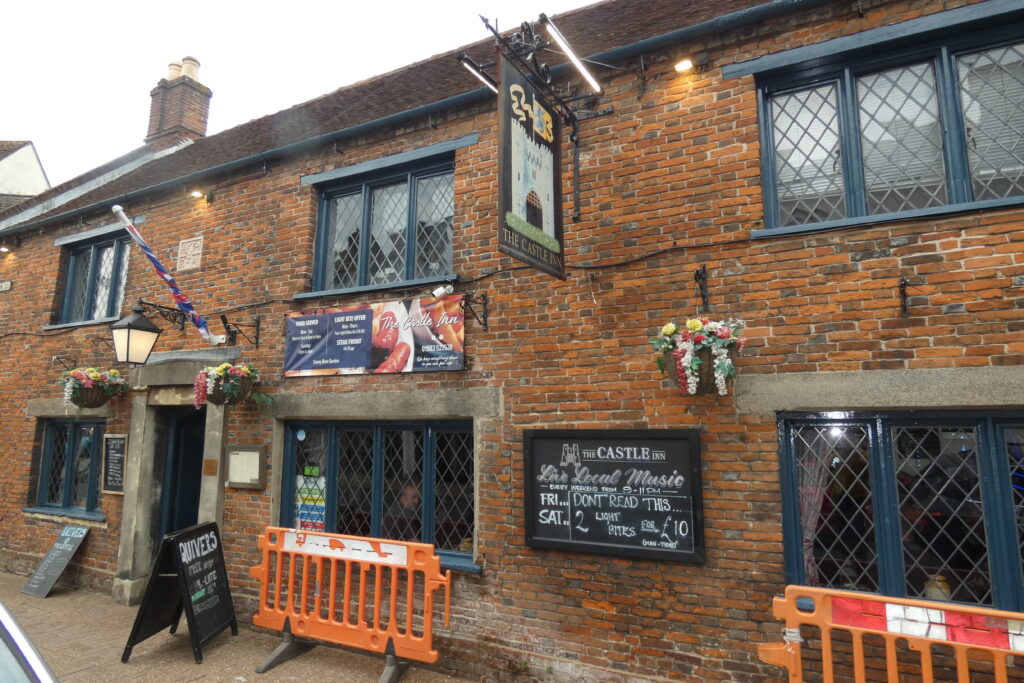
This pub is said to date from 1550 and is believed to be the oldest in the County Town. A stone plaque above the door gives the date 1694, but this is simply a fire insurance record.
Sadly, the inn underwent internal renovation in the early 1970s, ripping out the medieval rooms. These included the Vestry, which was used by government officials as a robing room on visits to King Charles I in Carisbrooke Castle. However, the original flagstones and beams remain.
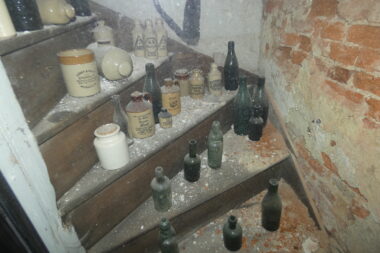
The Castle Inn has had a disreputable past. A staircase leads to the upper floor that was once used as a brothel. It also formerly featured a cockfighting pit.
It is said to be haunted by a stable boy, who came to a grizzly end in the cellar and a soldier, who – around 1820 – ended a man’s life in the Inn with a sword and was subsequently hung.
A further yarn connected with the Castle is that of a secret passage used to convey King Charles I to the Inn for a quiet drink during his imprisonment.
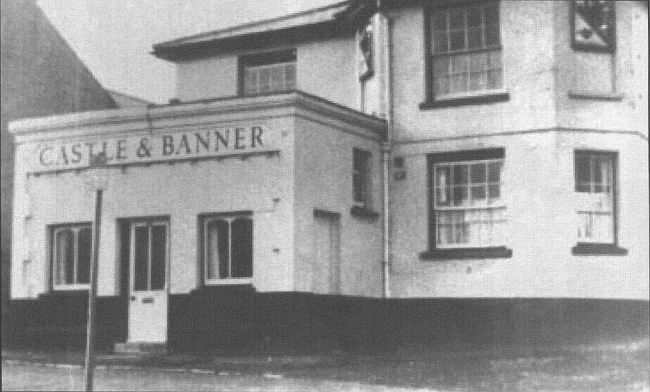
The Castle & Banner (Hunnyhill)
The Albany, and the Three Tuns Inn.
And also the Royal Oak
Warburtons Hotel, and the Banner too,
And so this ends my joke.
This pub – which sadly no longer exists – is famous for its landlord in the period between the 2 world wars: ex-bare knuckle fighter Jack Hare (aka: the Globe Trotter’).
The Castle & Banner was apparently twice burnt down: 1st in the early part of the 18th century, then at the start of the 19th century. The pub clock was transferred to the then workhouse at St Mary’s.
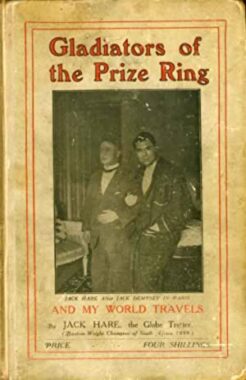
Jack Hare was the author of at least 2 books detailing his over 340 fights. He travelled extensively and claimed to have been the champion of South Africa in 1899. His most far-fetched boast was that he had once fought a kangaroo in his pub.
When Hare believed it time to turn in for the night, he would trust his regulars to drink up and serve themselves. His customers knew the former boxer was not a man to take liberties with.
Jack Hare gave up his pub in 1946 and died the following year. The pub was demolished in the 1990s and replaced with housing. The street where it once stood is called Banner Lane.
For reasons of brevity, we could cover no more than 4 of Newport’s past and present pubs. However, no doubt, we shall return to the County Town in a future edition of Isle of Wight pubs.
For our next edition, we shall examine a few of the lost and surviving pubs of Cowes.






Interesting stuff and far more worthy of a read than what SS Sealy is up to or how the council proposes to waste more of our money.
I loved reading this. Looking forward to the next installment.
What did those soldiers do to that prostitute? Why would 4 soldiers break into a prostitutes house?