























































Walking into a local tavern during a major racing festival usually means getting hit with a tidal wave of completely incomprehensible slang. This breakdown decodes the absolute nonsense shouted at the television screen, helping casual sports fans survive the chaotic pub chatter without looking completely clueless.
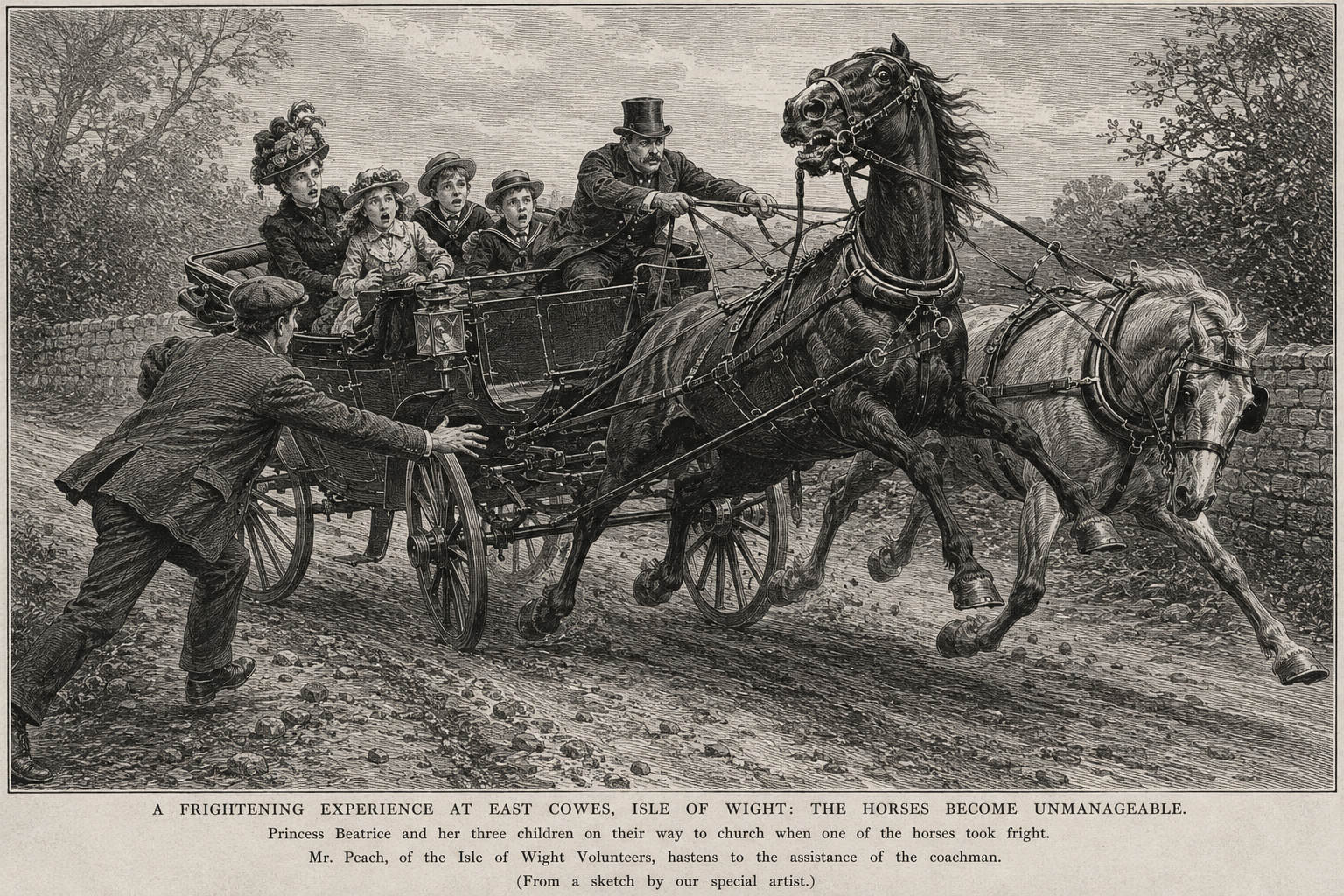
It happens every single spring without fail. You stroll into a favorite pub in Ryde or Newport just looking for a quiet drink and a plate of fries, and suddenly the entire room is screaming at a bunch of horses running through the mud. The television volume is maxed out, and regular folks from the neighborhood are suddenly speaking a totally foreign language. The Isle of Wight has a fantastic local equestrian scene, but the vibe of a casual weekend trot completely disappears when the massive mainland events kick off. Before getting totally overwhelmed by the noise and the flying beer mats, it helps to understand exactly what everyone is yelling about.
There is always that one guy at the end of the bar aggressively throwing around weird acronyms like he actually owns a piece of the track. Instead of just nodding and staring blankly into a glass, learning the basic vocabulary totally flips the script. For example, casually dropping the NAP meaning horse racing into a conversation is the fastest way to shut down a loudmouth. It proves you actually understand how to identify the strongest, most confident tip of the day, instantly lifting and elevating your status from a confused bystander to someone who can actually read a professional tipster sheet.


Decoding the Paddock Gibberish
The most confusing part of race day is trying to figure out the difference between the various wagers people are bragging about. Whenever someone loudly announces they are playing it safe with an “each-way” ticket, they are basically admitting they do not actually trust their own prediction. An each-way bet just splits the money, putting half on the horse to win and half on the horse to simply “place” by finishing somewhere in the top three or four, depending on the field size.
It is the absolute best fence-sitting strategy disguised as a tactical masterclass. Then you have the “SP” or Starting Price. This is the official numerical value the bookmakers slap on a horse right as the race begins, regardless of what the odds looked like that morning. Hearing guys complain that a fluctuating SP completely ruined their payout is practically a national pastime. Keeping track of standard local sports coverage is incredibly easy compared to deciphering this fast-paced financial math on the fly.
The Mathematical Chaos of Accumulators
If there is one specific term that completely dominates the pub atmosphere, it is the accumulator. Also known as an “acca,” this is essentially the financial equivalent of buying a cheap scratch-off ticket and expecting it to fund an entire retirement plan. It involves tying multiple different races together into one massive, doomed ticket. Every single leg of the ticket has to win for the bet to actually pay out.
The sheer delusion of thinking a five-leg accumulator is going to magically hit is exactly what makes festival week so incredibly funny to watch from the sidelines. People will spend forty-five minutes intensely studying a newspaper, confidently predict the winner of four separate races and then watch the entire ticket go up in flames because a random outsider tripped over a wooden hurdle in the very first race of the afternoon. When the inevitable collapse happens, you can usually verify the tragic live finishing orders before the guy at the bar even realizes his ticket is totally worthless.
Furlongs, Bumpers and the Dirt
The racing industry absolutely refuses to use normal measurement systems. Nobody actually knows what a furlong is in regular daily life, but during festival week, everyone pretends it makes total logical sense. For the record, it is exactly an eighth of a mile. Hearing someone loudly declare that a horse “lacks the stamina for the final two furlongs” sounds incredibly professional, even if the person saying it has never actually sat on a saddle.

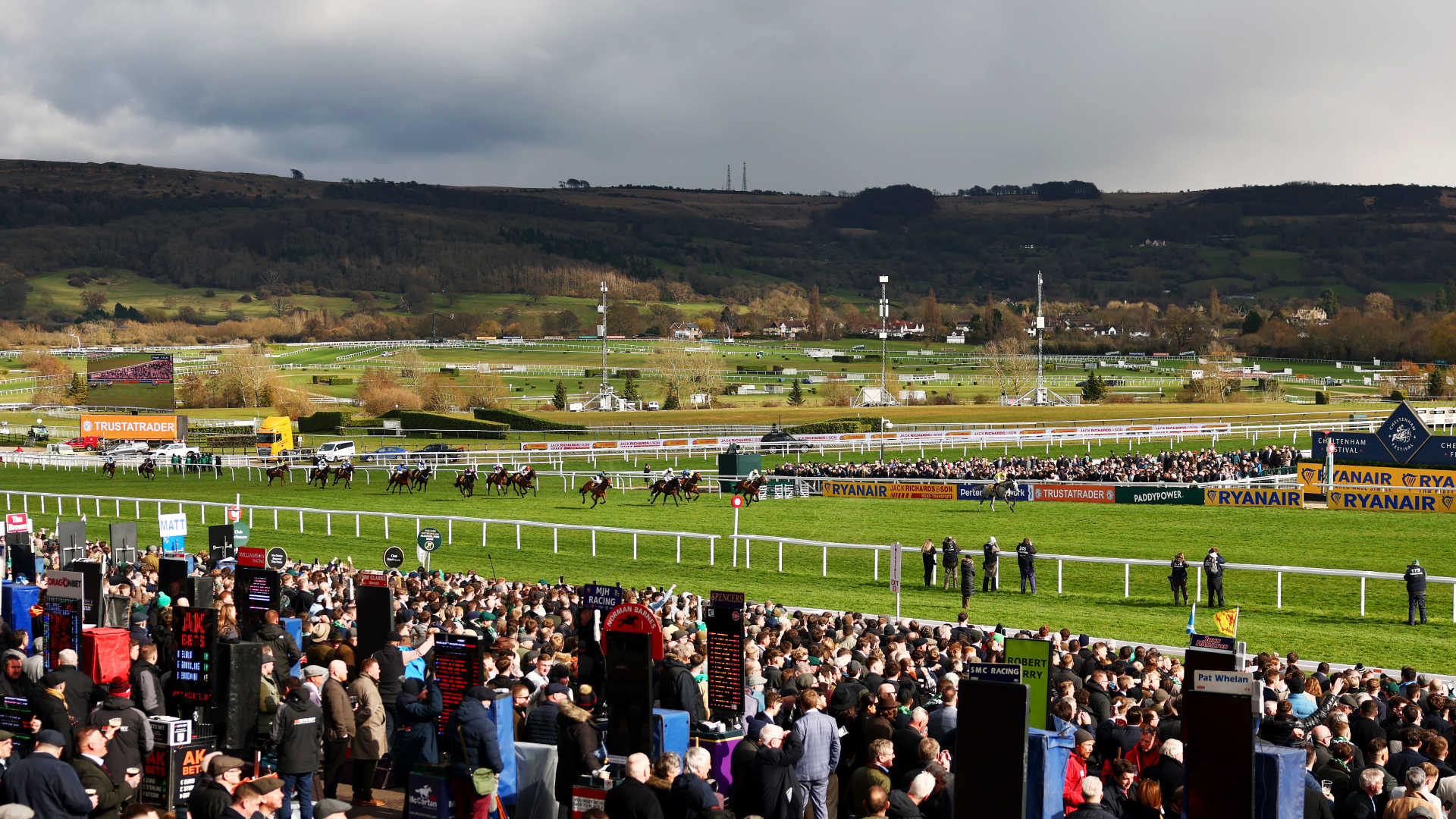
Then there is the weird obsession with the “going.” This is just a ridiculously fancy, old-school way of describing how wet the dirt is. Track conditions change from “firm” to “heavy” depending on the local weather, and it totally changes how the animals perform. A horse that runs beautifully on dry ground might look like it is wearing concrete shoes the second it starts raining. Pretending to care deeply about the moisture content of grass in a county hundreds of miles away is a hilarious, completely normalized quirk of the culture. You will also hear people talking about “bumpers,” which are basically flat races meant for horses that have not quite figured out how to jump yet. It is essentially a chaotic beginner’s course. Brushing up on the official festival schedules and racecards, especially Cheltenham Festival, is a solid starting point, but the real secret to surviving the afternoon is mastering the local betting dialect.
Dodging the Guaranteed Winner Delusion
The absolute funniest part of the entire culture is the concept of a “dead cert.” Short for dead certainty, this is the horse that absolutely cannot lose. According to the pub chatter, the math is totally flawless, the trainer is a literal genius and the jockey is completely unstoppable. Spoiler alert: there is absolutely no such thing as a dead cert when you are dealing with unpredictable animals running at terrifying speeds over massive wooden fences.
People will confidently throw their entire weekend entertainment budget at a dead cert, completely ignoring the fact that the horse could just decide to wake up in a terrible mood that morning and refuse to run. Surviving the pub during these massive mainland events just requires a bit of cynical humor and a basic grasp of the terminology. Let the loud guys at the bar yell about their ruined accumulators, quietly sip a drink and enjoy the absolute chaos of the afternoon without getting sucked into the financial delusion.