




























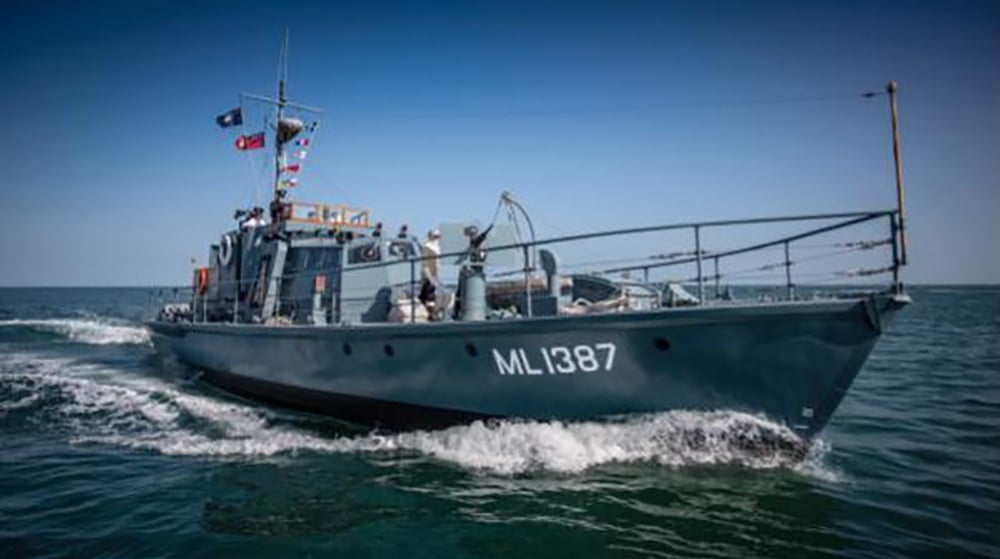










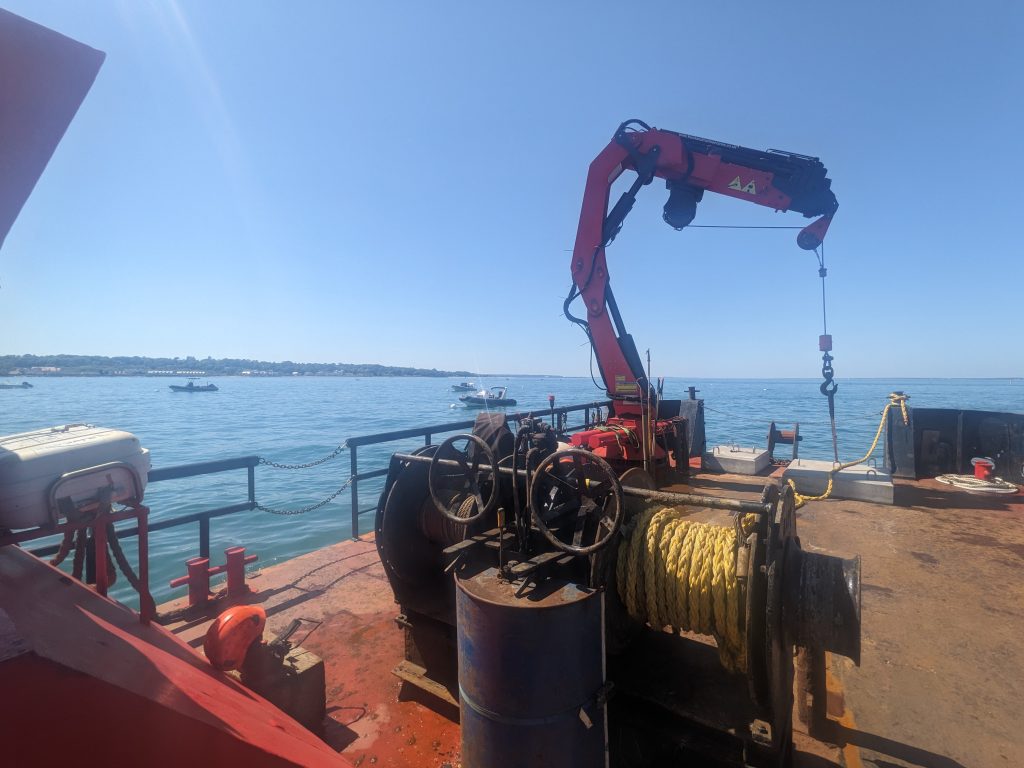
An innovative cross-sector partnership between Project Seagrass, Blue Parameters and WarrenBoats has enabled the installation of 2 Advanced Sustainable Mooring Systems (ASMS) at Seaview relieving pressure on the Island’s important seagrass habitats.
Seagrass meadows play a critical role in keeping our oceans healthy and are important allies to tackle the global climate and biodiversity crises. Yet the current condition of seagrass in the UK is generally poor due to multiple human pressures, with extensive losses having occurred since the 19th Century.
A recent report found the remaining seagrass beds in the Solent to be in an ‘unfavourable’ condition primarily due to nutrient enrichment resulting from water pollution, as well as seabed disturbance caused by commercial fishing and recreational activities including boat anchors.


Advanced Sustainable Mooring Systems (ASMS) such as the Mermaid K Advanced Sustainable Mooring System installed at Seaview are a simple solution to prevent and alleviate physical damage to the seabed including seagrass meadows caused by traditional anchorage and mooring.
Anouska Mendzil, Senior Scientific Officer at Project Seagrass said:
“Seagrass can be easily disturbed, damaged and uprooted by anchors. Finding solutions where sailors and seagrass can coexist is vital for protecting and conserving seagrass habitats, that have important ecosystem functions for both people and planet. The ASMS installation is an important passive restoration step in supporting and aiding natural seagrass recovery in the Seaview meadow, further supplementing our active seagrass restoration efforts around the Island.”
In a first for an installation of this type, the ASMS installed at Seaview includes monitoring devices which will enable environmental data from the site to be gathered to inform ongoing conservation efforts. The project is also the first of its kind to utilise a more sustainable and environmentally friendly maritime coating designed by Sea Coat which reduces biofouling, enhances vessel performance and improves energy efficiency.
James Scott-Anderson, Project Manager at Blue Parameters said:
“Operators and authorities need to make the mental leap away from separating environmental sustainability with their economic sustainability. Technical sustainability is always the commercially astute thing to do and the Mermaid K mooring, with a 10 year warranty, removes chain from the mooring equation, which is often replaced every other year at great expense. That’s not good for the environment but it’s also not good for the bottom line of the business; why would you not reduce your operational costs? Save money with the bonus of saving the environment too.”
Nick Rivlin, Director at Warren Boats said:
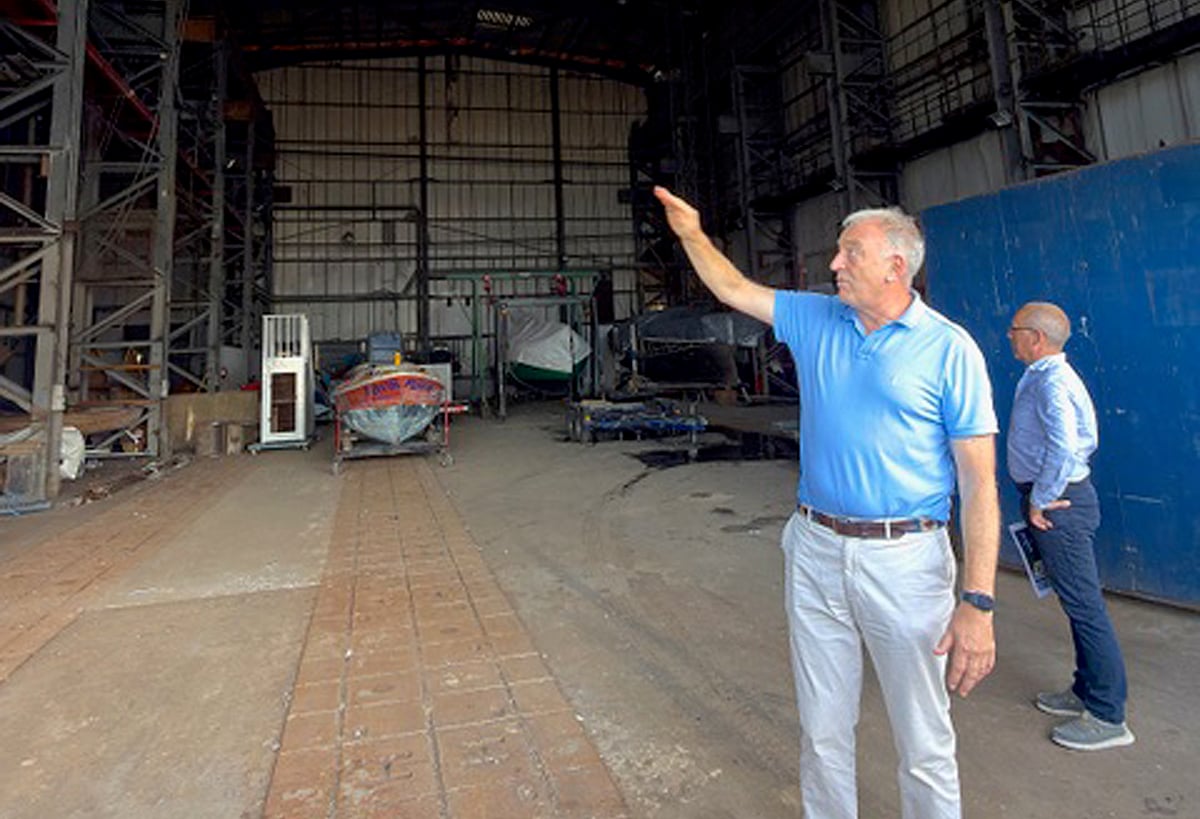
“We saw this as a perfect opportunity to develop our moorings, an important part of our business in Seaview, with respect for the environment. We are
confident that partnership working, using the expertise of researchers & scientists and marine designers, was the best way for us to trial ASMS. WarrenBoats are ideally placed in the eastern Solent with open sea moorings, some of which overlap into seagrass meadows.“From a commercial perspective it will be essential that we have robust warranties and guarantees on the component parts to provide client confidence, as we continue to seek zero failure with our moorings, vulnerable to easterly winds. The boating season here is short and therefore the promise of 10-year efficacy is attractive if our ASMS trial is substantiated”.
The installation of the Advanced Sustainable Mooring Systems at Seaview, which is funded by Seacology, is part of a wider programme of work being undertaken by Project Seagrass to promote Seagrass Safe Sailing. Conservation actions such as these have an important role to play alongside active restoration.








Well I have read the article a few times and looked at the picture. The description does not tell me what the system is, only that it does not use chain and has an Environmentally friendly coating. The picture shows what looks like a concrete block with loops on it.
so, can anyone tell me what is being described without repeating that it is sustainable?
They use riser buoys to lift (float) the chains off the seabed and elastic ropes to stretch and contract with the tides, rather than just drag on the bottom