





































































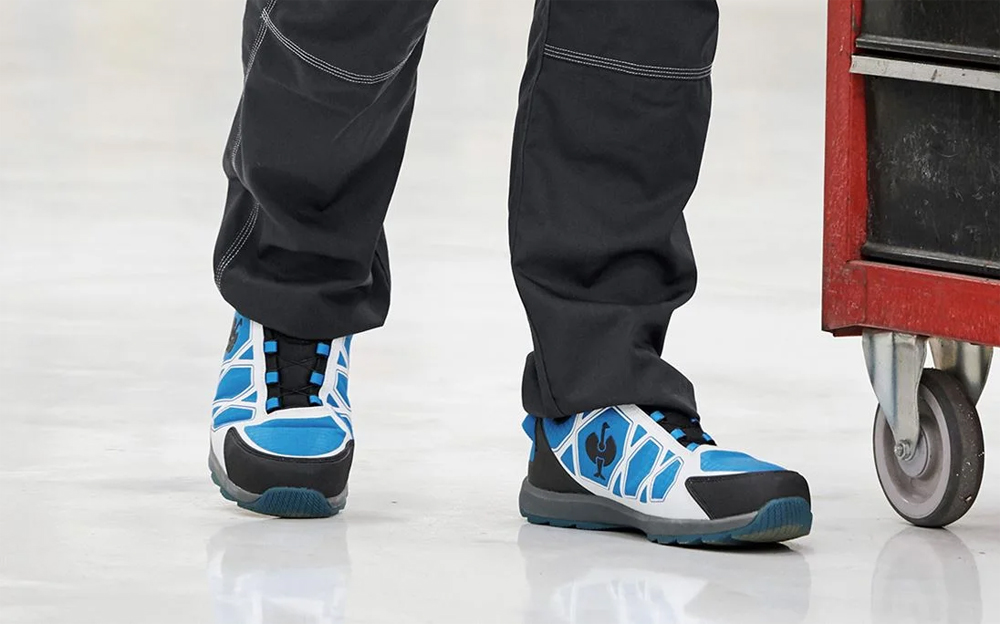

On the Isle of Wight, effective jobsite safety depends on equipping professionals with reliable construction gear that offers proper protection and comfort. Safety trainers, known for their protective soles and slip-resistant shoes, are increasingly recognised for enhancing workplace safety across local industries.
As businesses in sectors from construction to logistics seek better ways to safeguard their workforces, the demand for safety trainers that prioritise foot support and overall jobsite safety has risen. Strauss provides options such as safety trainers with essential workplace protection, supporting professionals as they manage challenging environments and diverse workplace hazards.
Why have safety trainers become more popular on the Isle of Wight?
The Isle of Wight, with its active trade and construction sectors, faces unique workplace challenges where reliable construction gear is essential. Safety trainers have emerged as a popular choice because they combine protective soles, slip-resistant shoes, and ergonomic foot support. Their lighter, more flexible design compared to traditional boots ensures professionals retain both comfort and agility on varied terrains, from indoor facilities to outdoor sites.


Increasing awareness of jobsite safety standards has played a role in this shift. Many local businesses have adopted safety trainers as standard issue, recognising how enhanced foot support and protective features help prevent common workplace injuries. The evolution from heavy boots to safety trainers reflects a practical focus on mobility, prolonged comfort, and maintaining high standards of workplace safety, which benefits both employers and employees.
What features of safety trainers support jobsite safety?
Safety trainers are distinguished by integrated protective soles, which help prevent puncture injuries from sharp objects commonly found on worksites. Slip-resistant shoes reduce the risk of falls, especially in environments subject to moisture or debris. For the Isle of Wight’s diverse range of jobsite conditions, this combination is key to promoting dependable workplace protection and effective construction gear selection.
Additional features like sturdy toe caps and advanced foot support further enhance performance and comfort during long hours. The importance of ergonomic design cannot be overstated, as fatigue from inadequate footwear can reduce concentration and elevate the risk of mistakes. By investing in safety trainers with proper structural reinforcement, workers and employers contribute to safer jobsite safety outcomes and a more productive workplace culture.
How do safety trainers reduce workplace injuries for trades on the Isle of Wight?
Tradespeople on the Isle of Wight benefit from reduced injury risks by using safety trainers designed specifically for workplace protection. Common hazards include slips, trips, punctures and crush injuries, all of which are mitigated by protective soles and slip-resistant shoes. By providing stability and foot support, safety trainers help professionals maintain balance and focus, especially during demanding or extended shifts.
Though local data directly linking the adoption of safety trainers to injury reduction may be limited, industry experience and feedback point to positive trends. Regular upgrades and maintenance of trainers, such as replacing shoes when tread wears thin are essential jobsite safety practices that support sustained protection for island trades. Standards compliance ensures that footwear offers the intended level of construction gear performance, contributing meaningfully to safer job environments.

What are best practices for caring for safety trainers?
Maintaining the effectiveness of safety trainers is central to ongoing jobsite safety. It is important to inspect footwear regularly for worn-out slip-resistant shoes, compromised protective soles, or deteriorating foot support. Promptly replacing trainers that show signs of wear protects tradespeople against avoidable injuries and supports a commitment to workplace safety on the Isle of Wight.
Care routines should also include cleaning off dirt and debris, allowing shoes to dry thoroughly, and storing them properly between shifts. Adhering to recommended maintenance ensures that safety trainers continue to provide the core features like protective soles, slip-resistant shoes, and ergonomic construction gear that boost workplace protection for professionals across the island’s diverse industries.