

























































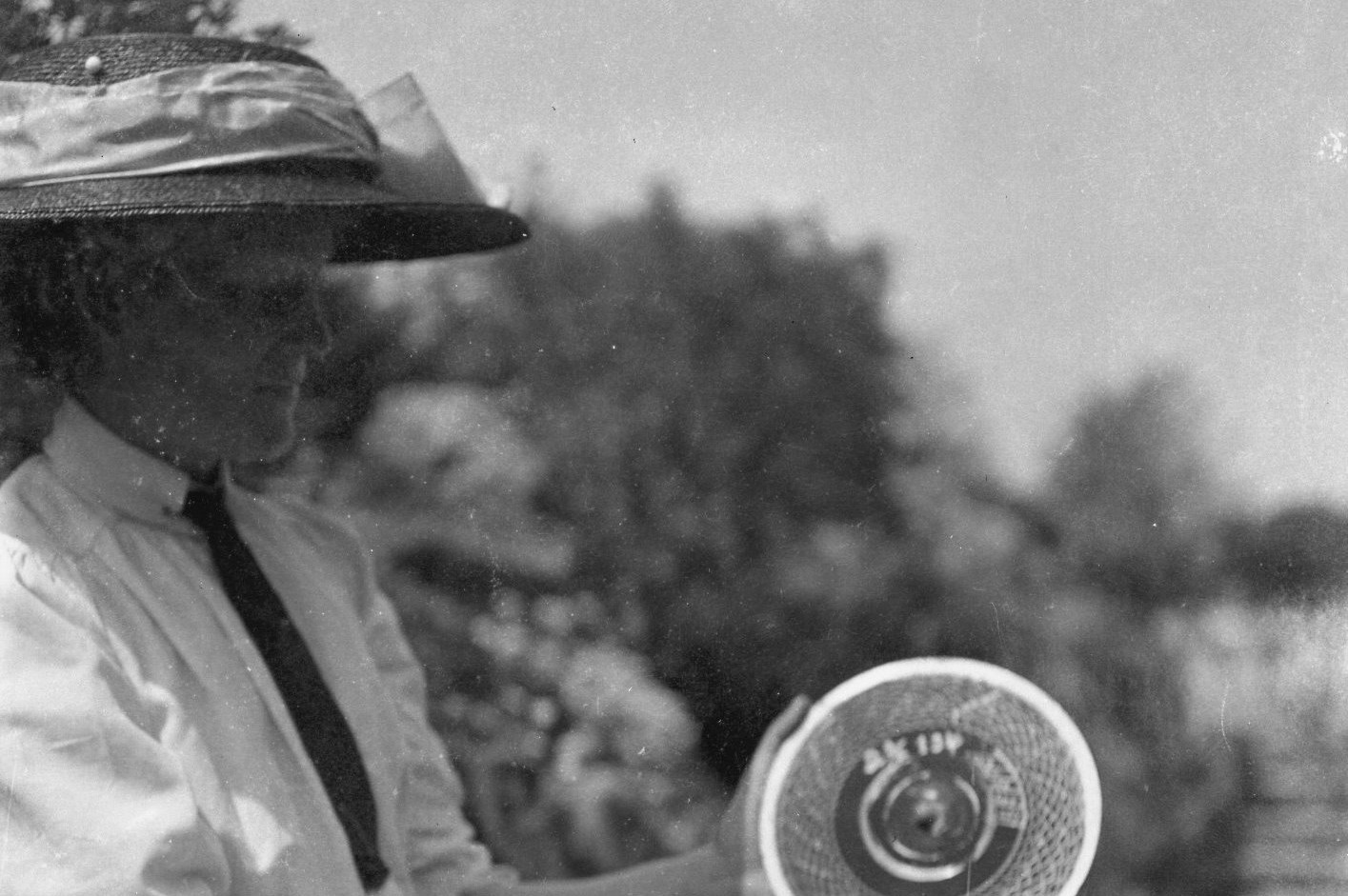

Blanche Coules Thornycroft, the Isle of Wight’s trailblazing woman naval engineer and marine designer, died in Bembridge on 30th December 1950 – 75 years ago today.
Blanche Thornycroft’s story is one of quiet genius. Working largely behind the scenes at a time when women were rarely seen in engineering, she helped design and test some of the most advanced boats of her generation. Her experiments in Bembridge shaped the future of naval architecture – yet her name was almost lost to history.
Born in Hammersmith in 1873, Blanche was the daughter of Sir John Isaac Thornycroft, founder of the famous shipbuilding firm John I. Thornycroft & Company. From a young age she showed a sharp mind for mathematics and design, and she soon became her father’s right hand in the family’s experimental boat-testing work.


When the Thornycroft family moved to Bembridge on the Isle of Wight, they built a home that would become a quiet hub of innovation. On the grounds, Blanche helped turn an ornamental pond – nicknamed the Lilypond – into a miniature testing site for new hull shapes. Later, she oversaw work at the purpose-built test tank at Steyne Wood Battery, a site that still stands as a hidden piece of local maritime history.
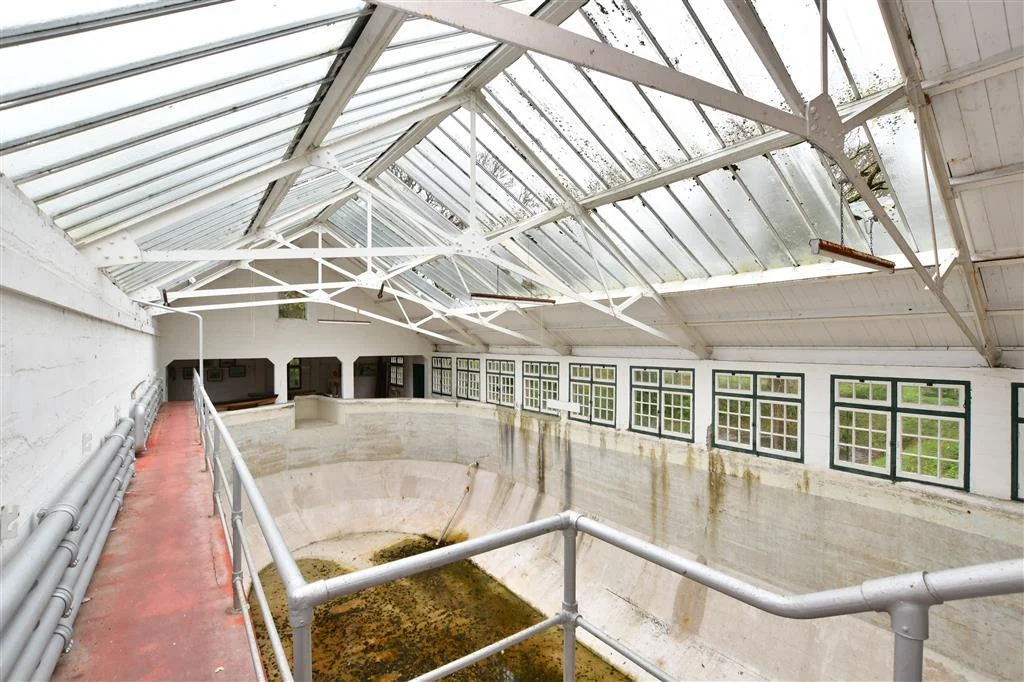
Blanche meticulously recorded every result from their model tests – data that guided the design of early destroyers, lifeboats and motor launches. Her notebooks, which span more than 30 years of experiments, reveal an engineer with extraordinary precision and imagination. Many of the ideas tested in those Bembridge waters went on to influence naval vessels used during both world wars.
In 1919, Blanche broke new ground when she became one of the first three women ever admitted to the Royal Institution of Naval Architects. She was also a long-time member of the Women’s Engineering Society, proving that talent and determination could transcend the barriers of her time.
Despite her influence, Blanche never sought the spotlight. Officially, she was never an employee of the family firm – but her careful testing, mathematical calculations and design insight were essential to its success. Within the family and among engineers who knew her work, she was regarded as the quiet powerhouse behind many of Thornycroft’s breakthroughs.
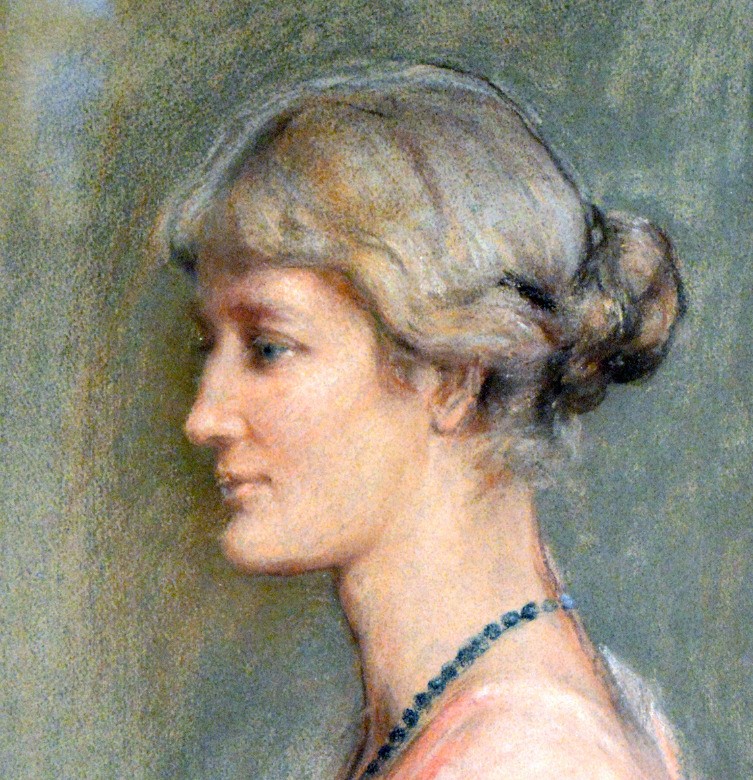
Away from engineering, Blanche played a key role in Bembridge life. She and her mother helped found the Bembridge Nursing Association and were active in local charities. She was a member of the Bembridge Sailing Club and had a passion for natural history, serving on the council of the Isle of Wight Natural History and Archaeology Society.
When she died in Bembridge in December 1950, aged 77, her achievements were noted only briefly – a reflection of the era’s reluctance to celebrate women in science and technology. But in the decades since, her reputation has grown steadily. Today, her notebooks are preserved on the Isle of Wight as part of the Classic Boat Museum’s archive, offering a rare glimpse into the mind of one of Britain’s earliest female marine engineers.
Blanche Thornycroft’s work laid the foundations for generations of naval designers who followed. Her precision, intellect and perseverance made her a pioneer in every sense – a Bembridge woman whose quiet brilliance rippled far beyond the shores of the Isle of Wight.