



















































People often feel a special warmth when they think back to the simple games of earlier decades. Before screens took over our free time, afternoons were often shaped by mechanical games that needed a coin and a bit of attention. These games, with their spinning reels and bright lights, sat in the corners of pubs, seaside arcades, and working clubs.
Today, some of these visual traditions live on in digital form, like online slots that still use colorful symbols and the same rhythmic movement as the old machines. The real draw has always been less about winning and more about the familiar act of playing.
The mechanical roots of everyday amusement
Early versions gave out small prizes or sweets instead of money, which helped them follow the laws of the time. Makers changed the designs to fit local preferences, building cabinets that fit well in pub corners or arcades. The fruit symbols we know today started as chewing gum flavors, a clever way to follow rules and create a look that lasted for generations.


By the mid-1900s, these machines had found a special place in British leisure. They weren’t the focus of gatherings, but they added a gentle way to conversations and gave regulars something in common. The sound of the reels and the feeling of waiting for the result were both immediate and memorable. Historians have shown that these machines were part of a bigger world of coin-operated fun, which also included strength testers, fortune tellers, and early movie viewers. A detailed look at this history is in the open-access study Arcade Britannia from MIT Press, which follows the growth of British amusement spaces from traveling fairs to later arcades.
These machines were made. Engineers and designers worked to make sure every pull of the lever gave a smooth and reliable show of movement and lights. This focus on detail helped them last and made people fond of them, especially when seeing a restored one in a museum or heritage display. The machines were never meant to be the main event. Instead, they were there for anyone who wanted a short distraction before going back to talking or walking by the sea.
How these games shaped social moments
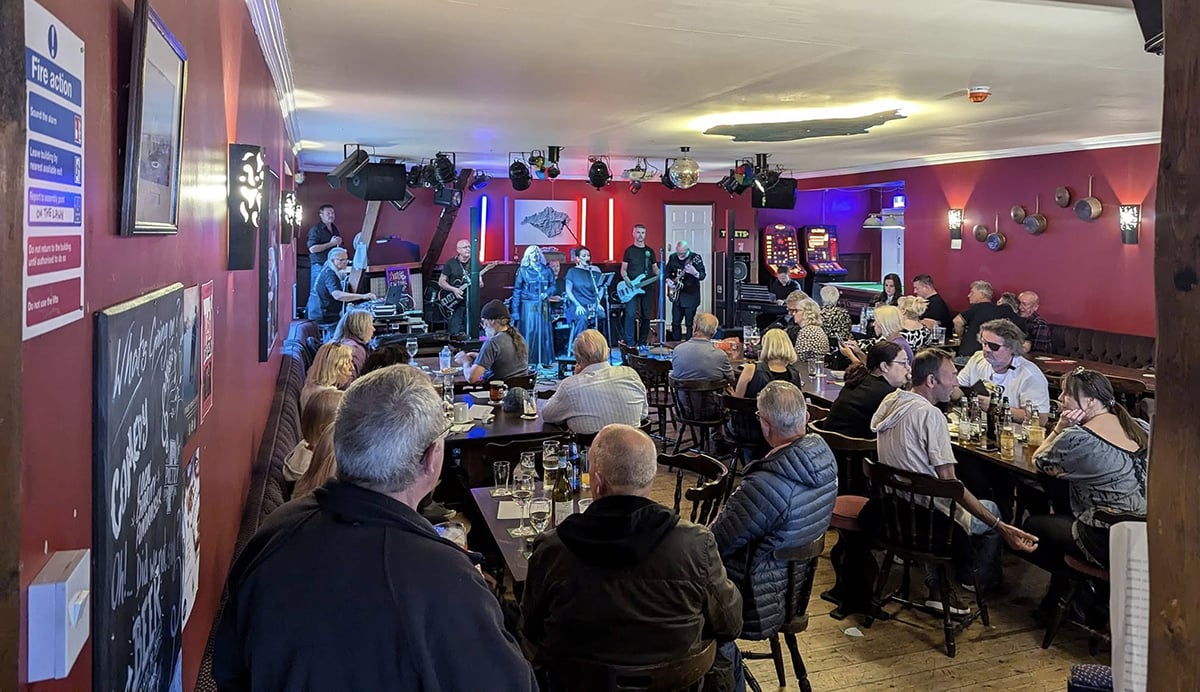
In pubs and clubs, having a machine around often brought people together for a moment. Someone might play for a bit while friends kept chatting, and any comments about the game would just blend into the conversation. The same thing happened in seaside arcades, where friends moved from one game to another as they liked. These games didn’t need any special skills or long commitment, so it was common to see people joining them.
Local heritage stories often focus on these minor details of how people used to spend their free time. Readers of Island Echo can find similar memories in the Isle of Wight Heritage section, where everyday objects and habits from past decades are explored to show how people lived. The simple games from the mid-1900s are part of this shared, modest experience.
The shift toward digital forms of leisure
As technology moved forward, physical machines were replaced by electronic and then digital versions. The spinning reels turned into images on a screen, the mechanical sounds became recordings, and people could play from different spots. Still, the main look and feel stayed the same. Bright symbols, steady movement, and the complete experience continued to be at the heart of these games.
This sense of continuity is why old machines still bring back powerful memories. The digital versions keep enough of the original style that anyone who played the old machines can see the connection right away. The major change is the format, not the idea. What was once a physical machine in a corner has developed into something playable on a screen, yet the core offering remains the same, a system derived from studies and legal frameworks that doesn’t require much focus or specialized abilities.
Why the appeal endures
People’s nostalgia for these simple games is about the time they remember, not just the machines themselves. In the past, free afternoons often had long stretches with nothing planned. Having a spot to interact and chat with others nearby gave people a gentle way to pass a few minutes without taking over the whole day. Many people miss that easy balance when they think back.
Today, leisure time often feels like a set of choices we have to make, instead of open moments we can fill or leave empty as we like. The old times fit better with that second, more relaxed way of spending time. They didn’t take up much of the day or need any planning. The real value of old times was in being ready to go out and enjoy with others, with no pressure.