



































































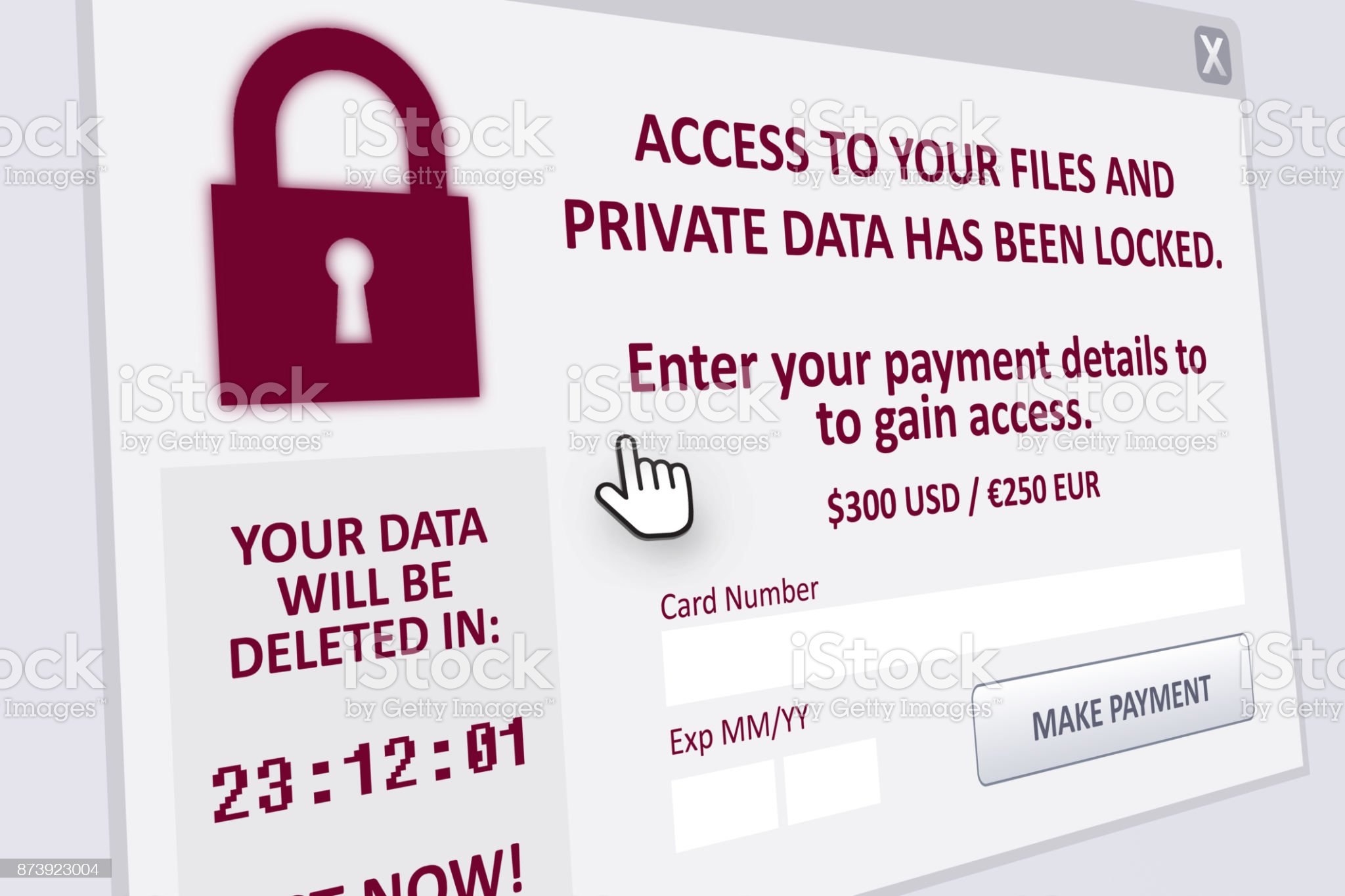

The City of London Police recently arrested seven suspected members of a UK-based hacker gang.
The teenage gang calling themselves Lapsus$ are thought to have made over £10 million in Bitcoin by extorting global organisations and targeting UK mobile phone customers.
One of the gang’s leaders is believed to be a 16-year old from Oxford, although police have yet to confirm this individual was among those arrested.


A Global Increase in Ransomware Activities
Jeremy Fleming, the director of GCHQ, disclosed last year that the number of ransomware attacks on British institutions had doubled in 2021.
Ransomware uses malicious software to encrypt a victim’s critical information, with a ransom demanded to re-enable access.
Fleming believes the increase is due to such attacks being largely uncontested and extremely profitable for the hackers.
Islanders Not Immune To Scams And Hacking
Our community is no stranger to hacking attempts and fraud. Several serious attacks have occurred on Island institutions in the past three years, with ongoing email and phone scams.
The Cross-Solent ferry operator, Red Funnel, was targeted by hackers in September 2020. The attack affected the company’s online and telephone booking systems. Customer account enquiries and number plate recognition systems were offline for several days.

The Isle of Wight Against Scams Partnership (IWASP) has issued an update on scams reported by Islanders. People have been targeted by hackers through emails, texts, and phone calls. Phishing scams using fake messages to lure people to click on links or give away sensitive information also took place.
In July 2021 the Island Education Federation fell victim to a ransomware cyberattack, compromising their IT network and preventing access to online systems. The attack affected several primary schools, including Lanesend, Barton, and Hunnyhill.
How To Stay Safe
At the time of the attack on the Island Education Federation, the Isle of Wight Council published digital tips for parents and students to help increase their cyber security.
However, the recent arrest of the Lapsus$ hackers emphasises the need for greater vigilance over our online security.
Here are four more simple actions to protect yourself and your business from falling prey to online attacks.
Four Tips To Stay Safe Online
Keep your operating software updated
Maintain your system’s security by updating with the latest software patches as they come available.
Hackers probe computer systems for weaknesses to allow access, while software manufacturers regularly supply updates to patch any known weaknesses.
Use anti-virus software
Ensure you use competent anti-virus software to prevent infection with malware.
Hackers commonly use malicious software, or malware, to compromise your computer system’s integrity, steal your identity, or gain access to financial details.
Maintain your privacy
Install virtual private network (VPN) software to protect your location, and browsing history.
The IP address identifying your computer on the internet reveals your location and browsing history. Learn more about VPNs that anonymise this information, preventing others from accessing your sensitive data.
Use unique complex passwords
Invent complex passwords using spaces, numbers, upper and lower-case letters, and symbols. Be sure to use a different password for each site.
Using simple passwords like your pet’s name or “12345” is unwise. It can lead to an account breach and data leak.
Reporting Suspected Fraud
If you or someone you know believes they have been subject to scams, or online attacks, you can report these online at www.actionfraud.police.uk or on the phone – 0300 123 2040.
You can also forward phishing emails to [email protected].
For further information on the different types of scams circulating, visit the Isle of Wight Against Scams Partnership or phone – 01983 823371