









































































Football betting analysis often focuses on statistics, team form, injuries, and tactical systems. Yet one factor that can be overlooked until match day is the weather.
Rain, strong wind, extreme heat, snow, and even unusually cold temperatures can influence how a football match develops. Weather conditions may affect the speed of the pitch, the accuracy of passing, the physical demands placed on players, and the number of chances created.
For bettors, this means that checking the forecast before making a final prediction can sometimes reveal important information that is not immediately visible in traditional statistics.


Why Weather Matters in Football
Football is played outdoors, meaning teams must adapt to conditions that can change from one fixture to another.
A club that normally relies on quick passing and technical control may find it more difficult to maintain possession on a wet pitch. A team that prefers direct football could potentially benefit from these conditions.
Bettors using Soccer Prediction AI for football predictions can combine AI-based statistical analysis with weather information to develop a broader view of an upcoming match. While weather is rarely the only reason to change a betting pick, it can become an important factor when the teams are closely matched.
The key is understanding how specific conditions could influence the tactical strengths and weaknesses of both sides.
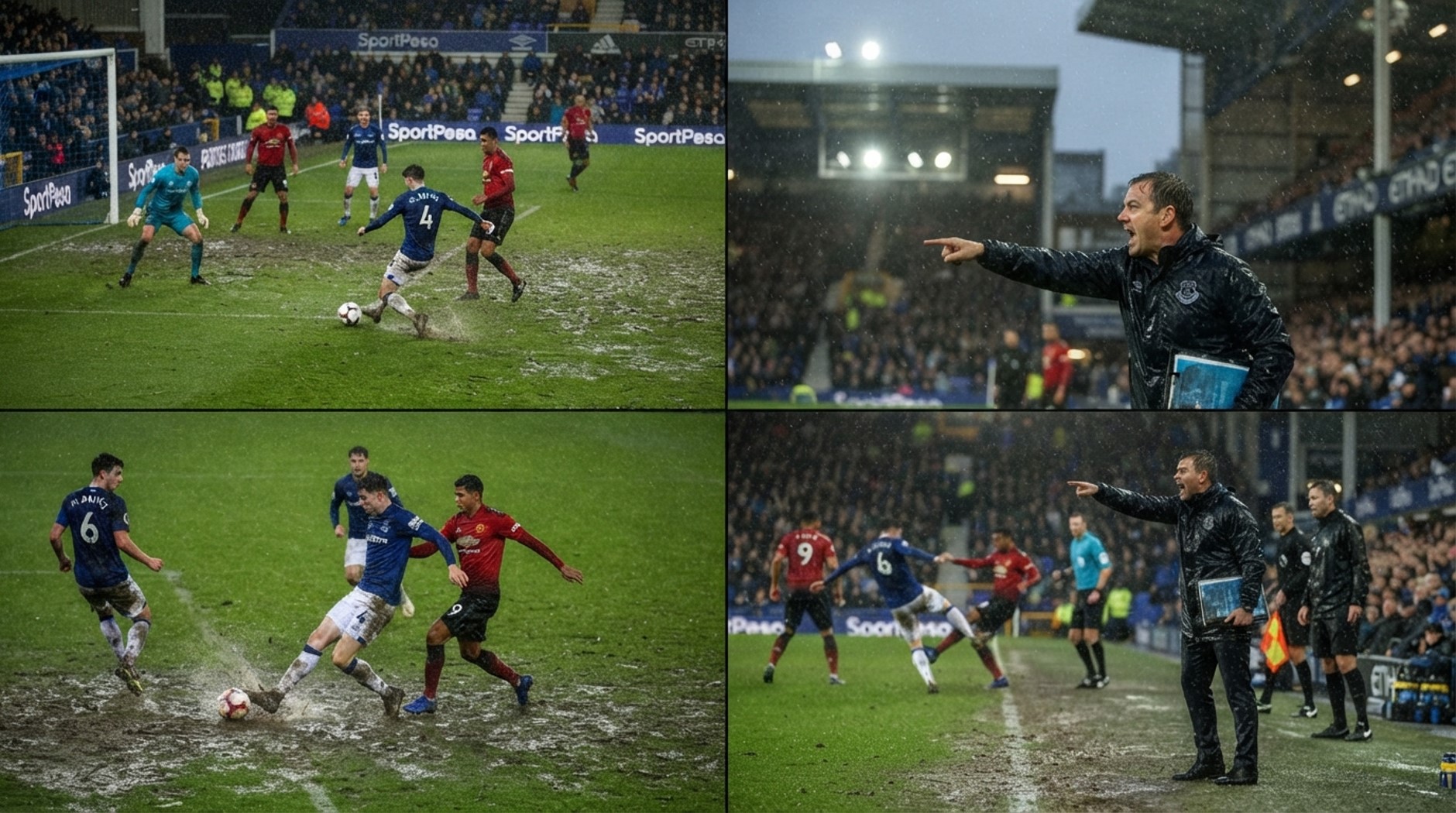
Heavy Rain Can Change the Speed of the Game
Rain is one of the most common weather factors affecting football matches.

A wet pitch can make the ball move faster, which may create problems for defenders attempting to control passes or make tackles.
At the same time, heavy rain can make the surface difficult to play on.
Teams that rely on short passing combinations may struggle to maintain their usual rhythm. Players may also find it harder to change direction quickly, potentially reducing the effectiveness of certain attacking movements.
However, rain can also create opportunities.
Goalkeepers may have difficulty handling crosses and long-range shots, while defensive mistakes can become more likely.
For bettors, this could be relevant when analyzing goal markets or both-teams-to-score predictions.
Strong Wind Can Disrupt Passing and Set Pieces
Wind can be particularly difficult to predict because its impact depends on its direction and intensity.
Strong winds can make long passes less accurate and affect crosses into the penalty area.
Teams that rely heavily on aerial football may struggle to execute their usual strategy.
Set pieces can also become unpredictable.
Corners and free kicks may move differently in strong wind, creating unusual situations for both defenders and goalkeepers.
This does not necessarily mean that a windy match will produce fewer goals.
Instead, it can increase uncertainty and make technical execution more difficult.
Bettors should examine whether either team has experience playing in similar conditions and whether their tactical approach depends heavily on long passes.
Extreme Heat Can Influence Player Performance
High temperatures can create a different type of challenge.
Players may become fatigued more quickly, especially when a team uses an aggressive pressing system.
This can influence the second half of a match.
A team that starts strongly may struggle to maintain its intensity after the break. Alternatively, a side with better fitness and squad depth may benefit as the match progresses.
Heat can therefore be particularly relevant when evaluating matches played in warmer climates or during daytime kickoffs.
Bettors should consider the physical demands of each team’s playing style.
A high-intensity pressing team may be more affected by extreme temperatures than a side that prefers a slower possession-based approach.
Cold Weather and Snow Create Unique Challenges
Snow and freezing temperatures are less common in many major football leagues but can still influence certain fixtures.
A frozen or partially frozen pitch can make passing difficult and reduce the effectiveness of technical football.
Players may also be more cautious when changing direction or challenging for the ball.
In these situations, physical strength and adaptability can become more important.
Teams accustomed to playing in cold conditions may have an advantage over opponents who rarely experience similar weather.
For football betting predictions, this can be a useful contextual factor when analyzing international competitions or matches between clubs from different regions.
Weather Can Influence Tactical Decisions
Managers may adjust their tactics based on the forecast.
A team that normally builds attacks patiently from the back could choose a more direct approach if heavy rain makes the pitch unpredictable.
Similarly, coaches may instruct players to take more shots from distance if the goalkeeper is likely to struggle with handling the ball.
These tactical changes can influence the overall betting picture.
Bettors should therefore consider how each manager is likely to respond rather than assuming that weather affects both teams equally.
Do Weather Conditions Always Affect the Result?
Not necessarily.
Professional footballers are trained to play in a wide range of conditions, and elite teams often have enough technical quality to adapt.
Weather should therefore rarely be used as the only reason to select a betting outcome.
Instead, it should be treated as an additional variable.
If a match already appears likely to be low-scoring based on team statistics, poor weather could reinforce that expectation.
On the other hand, if both teams rely on defensive organization and the forecast predicts difficult conditions, the potential impact may be less significant than expected.
The context matters.
The Forecast Could Be the Final Piece of the Puzzle
Weather conditions may not receive as much attention as injuries or recent form, but they can still influence football betting predictions in subtle ways.
Rain can change the speed of the pitch. Wind can disrupt passing and set pieces. Heat can increase fatigue, while cold or snow can place greater demands on players’ adaptability.
The smartest approach is to combine weather information with tactical analysis, team statistics, squad news, and current form.
Bettors should also check the forecast close to kickoff because conditions can change quickly.
Ultimately, weather is not a magic formula for predicting football matches. It is another piece of information that can help explain how a game might unfold.
When two teams are closely matched, however, that extra piece of information could be enough to identify a potential betting angle that others have overlooked.