




































































The problem of climate change is more critical than ever in the modern world. It is essential to comprehend what being environmentally friendly entails.
Living in an environmentally favourable manner is referred to as being eco-friendly. This manner of living is becoming more and more crucial as we work to prevent anthropogenic damage to the environment.
There are many sustainable changes that an individual can undertake to decrease the detrimental impact our everyday lives typically have on the environment.


It is essential to start at home because many of our habits regarding how we use and consume energy there are detrimental to the environment.
There are many other solid reasons to improve your home’s sustainability. First and maybe most plainly, it is something we can do to help the environment.
But there are also additional advantages, such as that making changes will reduce your energy costs and result in a warmer, more comfortable living space. You can even experience an improvement in your mental health.
Putting sustainable solutions into practice may seem complicated and expensive. The good thing is that it is feasible and frequently results in significant cost savings because it uses less water and energy.
Several things may be done, especially at home, to increase environmental sustainability; below are some strategies we can use.

Choose Green Energy
Choosing a green energy provider is one of the best methods to make your house more ecologically friendly. We use a lot of energy, from our appliances to our cars; therefore, we must think about the environment when we do it.
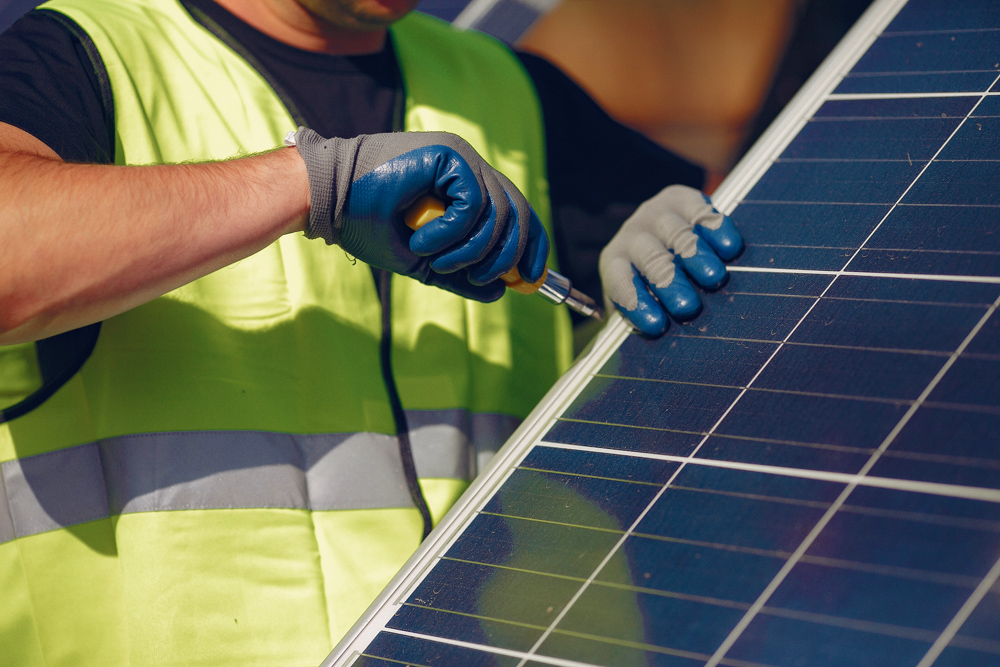
Electricity is produced by a growing number of energy suppliers on the market using green, renewable resources like solar energy, wind energy, hydroelectricity, and renewable fuels.
Hydrotreated Vegetable Oil or HVO fuel is a diesel alternative that can be used as a more eco-friendly fuel for our vehicles instead of fossil fuels.
These days, we can also use electric vehicles and choose to employ renewable energy sources to power our homes.
These environmentally friendly energy sources frequently don’t emit any gases, make noise, or pollute the air.
They provide total independence from the power grid’s reliance on gas and oil.
Reuse and Recycle
Reusing and recycling are simple metrics for expanding, renovating or building a home from the ground up.
You may create a more sustainable house while also saving money by reusing and recycling old furniture or building materials.
We can also try to make an effort to read the labels on everything we purchase to make sure it is properly disposed of.
We should reduce the amount of plastic packaging carried into the house.
To do this, we can utilise household refillable containers or foil rather than non-recyclable wraps.
To lessen the impact of the waste we generate, we can make an effort to buy products composed of non-synthetic substances that decompose.
Use Organic Cleaning Products
Most commonly used cleaning products with detergents and preservatives are made from hazardous chemicals that wash into streams and other water bodies, causing water pollution that harms the ecosystem.
Making the switch to non-synthetic, sustainably manufactured products lowers the risk of contaminating toxic chemicals that are bad for people and the environment.
Making your natural cleaners is very simple when you combine vinegar, lemon, and baking soda. This more affordable, environmentally friendly substitute reduces the amount of waste from packaging and hazardous chemicals in your home.
Monitor your energy expenditure
Installing an energy monitor at home will show you how energy is consumed and generated. Which appliances are consuming too much energy will be identified by a monitor.
An energy monitor lets you operate appliances remotely with your smartphone and delivers real-time statistics about your energy usage and prices.
Thanks to these monitors, you can control how and when you use energy in your house.
Purchase energy-efficient home products, such as washing machines, dishwashers, refrigerators, and even light bulbs. Avoid leaving televisions and laptops on standby mode; this will help regulate energy wastage.
Installing a smart thermostat at home enables you to schedule your energy needs depending on peak and off-peak usage periods.
Insulation
One of the best ways to improve a home’s sustainability is by upgrading and adding insulation, which helps to stop heat from escaping through the walls and floors and consequently lowers heating costs.
Depending on the building’s construction, cavity wall or solid wall insulation should be considered when remodelling a home. You should also consider loft insulation.
Having a sustainable house means keeping it cool in the summer and warm in the winter. Inspecting the seals around your windows and door frames is an easy fix to ensure this. Any gaps can be closed using sealing tape.
Wrapping Up
Participating in local actions going on around you is also very important to create a more eco-friendly environment for the next generation.
The various ways we can make our homes more sustainable are far too numerous to be included in this list.
However, discussed so far are a few crucial ways we can live more sustainably while preserving the environment.