

























































 Historic England has submitted its initial advice to the Isle of Wight Council, strongly objecting to proposals that will ‘severely impact’ the Norris Castle estate.
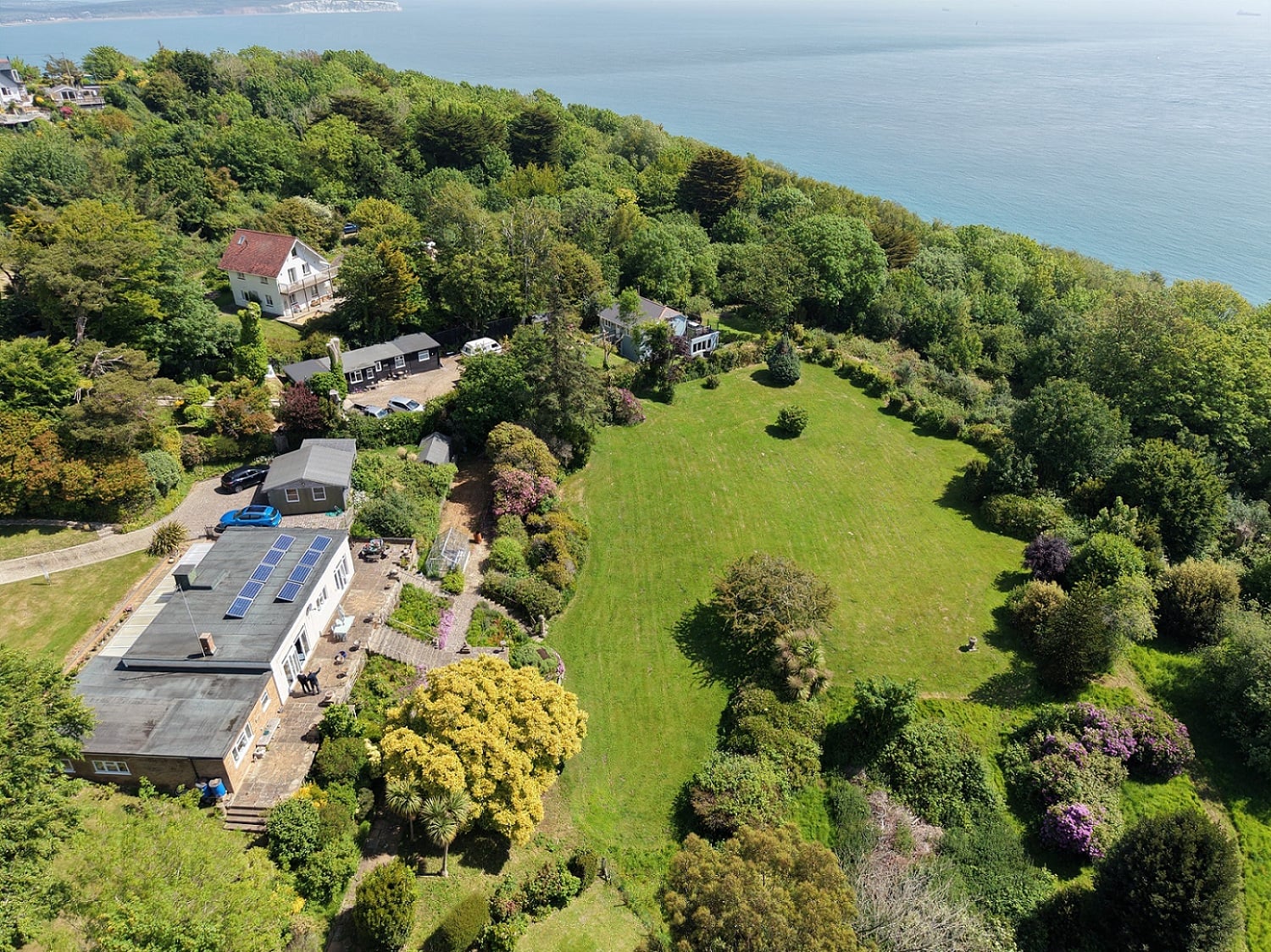
Norris Castle is of outstanding importance as a particularly beautiful and unusually well-preserved picturesque ensemble of house, landscape and ancillary buildings. The current application is to turn the estate into a resort. This would involve major change to the castle and farm along with extensive development around these buildings and within the wider landscape.
The proposals in their current form would entail a very high degree of harm to Norris’s significance says Historic England, which is likely to submit a formal objection.


Given the ‘harmful impact’ anticipated, the Historic England Advisory Committee will now be consulted and further information on the viability of the scheme has been requested so that a definitive position can be reached. Historic England’s formal position and advice will then be given to the council to inform their decision.
Richard Peats, Development Advice Team Leader, Historic England, said:
“Norris Castle is a hidden gem. The striking mock castle, its farm disguised as a fort, and many other historic features all set in idyllic parkland have hardly changed since they were built over 200 years ago. While this application includes urgently needed repairs it also involves a great deal of new development which would destroy much of what is special about the estate.
“Historic England is keen to find a sustainable future for the estate but the proposed scheme is not the right approach, nor the only way to save the Castle. The Isle of Wight’s only Grade I listed landscape deserves a better future than this.”


Norris is one of the great treasures of the Isle of Wight and ought to be far better known nationally. The castle and farm, both of which date to around 1800, are important works by James Wyatt, one of the leading architects of the day. Its importance is reflected in the listing of the castle and farm at Grade I and the inclusion of the designed landscape on the Register of Parks and Gardens at Grade I. They are on the Heritage at Risk Register due to their poor condition and need for extensive repairs.













Let’s hope this is banned. Too much irreversible ruination being allowed because of life changing wealth there for the taking for those in the right circle.
I seem to have missed all the constructive, funded plans put forward by English heritage, Historic England, ECTC and all the other hand-wringers.
They all want to make the perfect the enemy of the good.
This is the only chance you will get: seize it or weep!
East Cowes Castle, a John Nash masterpiece, was in a similar state of disrepair. Nothing was done and now it’s buried under Hefford Road.
Be warned!
Presumably Historic England prefers ruins – because that is what it will become.