


































































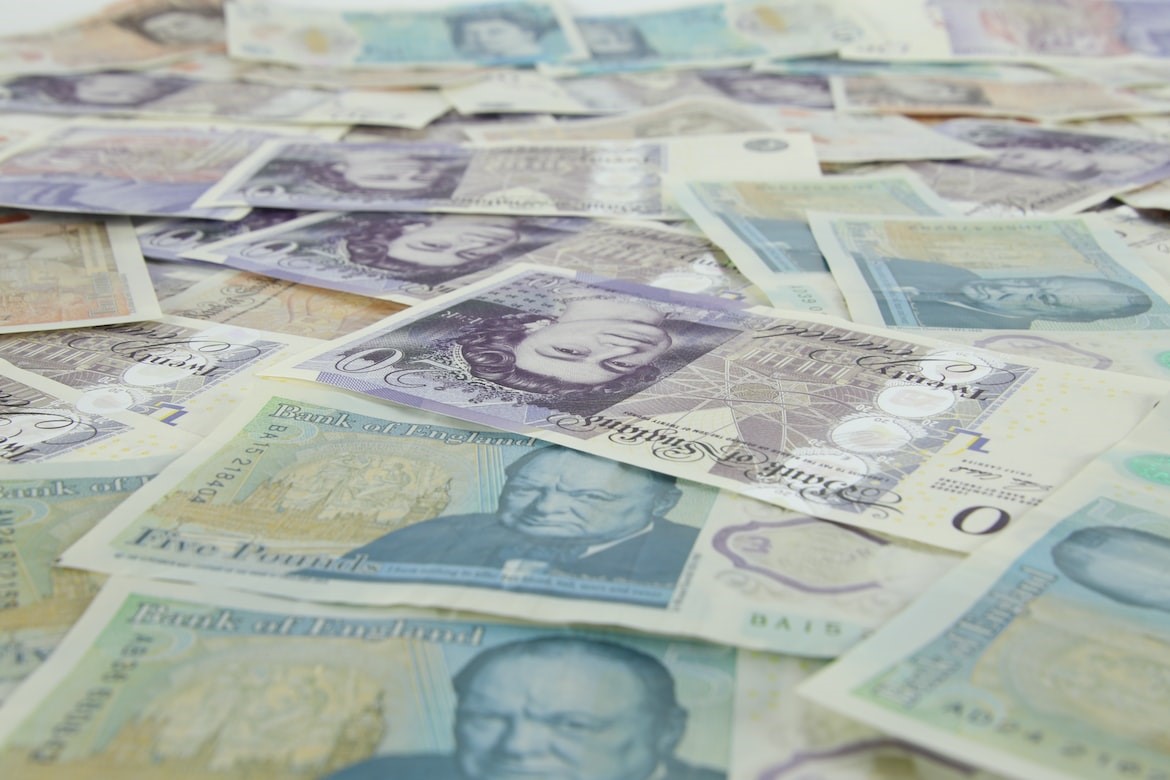

This is one of the most frequently asked questions about life on the Isle of Wight. The Isle of Man has its own Manx pound, which operates at parity with pound sterling (GBP), but the Isle of Wight has never had its own separate currency.
The Manx pound has its own coins and notes backed by Bank of England notes by the Manx government. The Isle of Wight has never opted to go down this route, instead favouring to remain loyal to the British pound.
The pound remains one of the most influential currencies in the global economy. In fact, within the world-renowned DXY (US Dollar Index), which tracks the strength of the US dollar against other major fiat currencies, the pound carries the third-highest weighting after the Euro and the Japanese yen.


Isle of Wight’s ECU token fiasco
However, there was a time when the Isle of Wight Council did issue its own fiat currency. The council was summoned to court for issuing coins in the European basket currency (ECU) back in 1996. The ECU was eventually usurped by the Euro (EUR) on 1st January 1999. A report into the council’s issuance of coins was published by the Financial Times, who said that the coins were originally distributed for novelty value. However, following a protracted period of legal wrangling with HM Treasury, the police stepped in to determine that the coins contravened UK currency legislation.
It’s very true that the coins were issued for a good cause. Morris Barton, the then-leader of the Isle of Wight Council, told the Financial Times that the ECU coins were sold as a form of “charity and tourism”. Barton added that the financial proceeds of the sale would fund “a multiple scanner for [the island’s] hospital” as well as “training [opportunities] for the unemployed”.
Do other islands have their own currencies?
The island of Jersey operates in the same way as the Isle of Man. The island has its own Jersey pound, which is backed by notes and coins from the Bank of England. This means the Jersey pound is pegged to GBP i.e. it carries the same value as pound sterling. Interestingly, Jersey is one of the few island currencies where you’ll come across a one pound note. Although the notes look much different to conventional British notes, they all still carry the same value.

It’s a similar story on the island of Guernsey, where the Guernsey pound (GGP) has been issued since 1921. The Guernsey pound isn’t a separate currency, it’s just a localised version of the British pound in coins and notes. Much like bank notes are localised in Scotland, England and Northern Ireland. Guernsey’s coins have their own symbols depicted on the reverse side, including a Guernsey cow on the 2p, Guernsey freesias on the 50p and the Guernsey flag and motif on the new £2 coins.
It’s likely that even if the Isle of Wight ever considered its own form of currency, it would go down the Guernsey route of having localised coins and notes specific to caulkheads and Isle of Wight culture.