
















































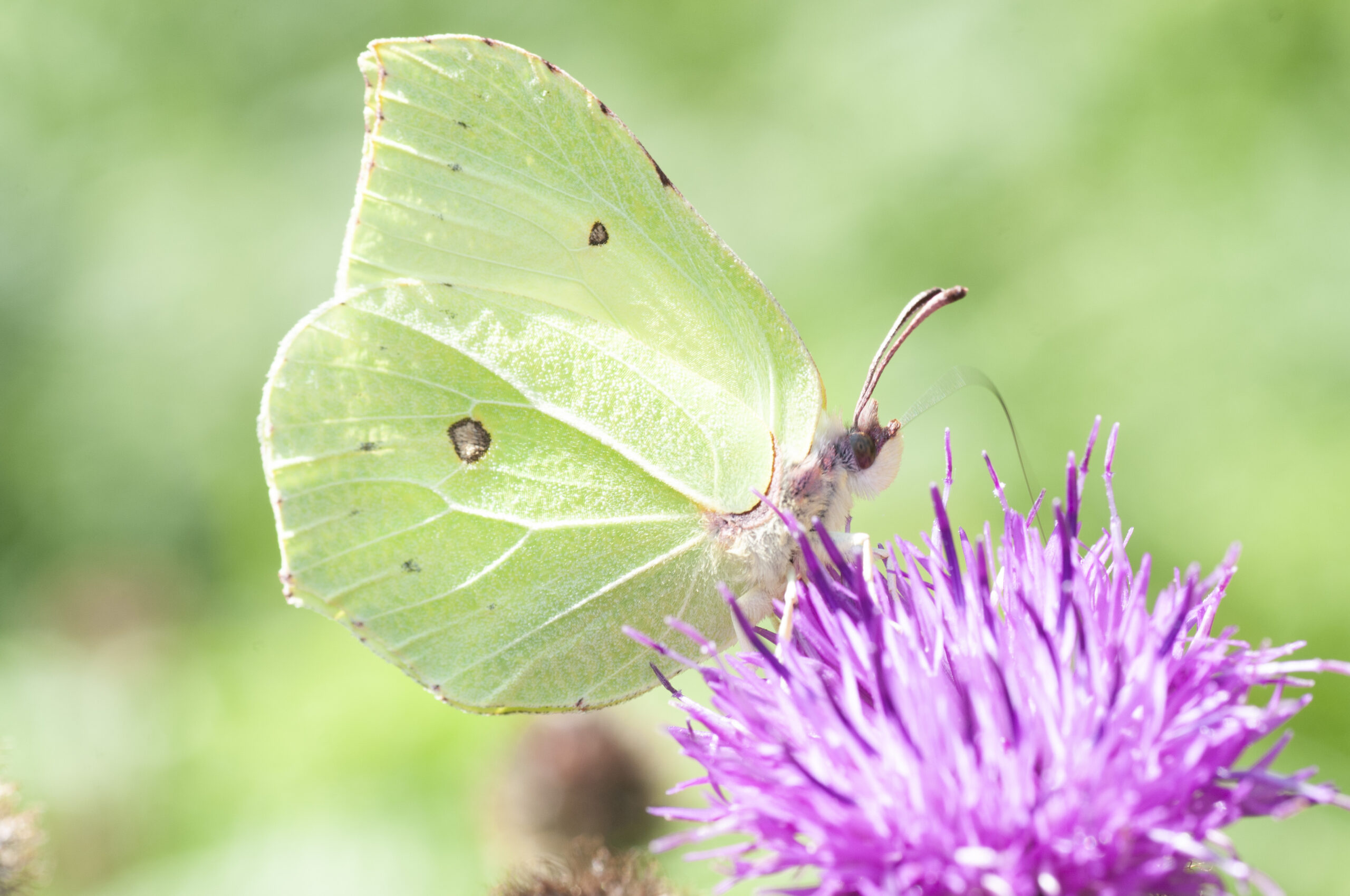

T he recent cold weather spell across the UK following a mild winter could have a detrimental effect on our wildlife says The Woodland Trust.
From insects to frogs, birds and bees, the UK’s wildlife may struggle this Spring after a mild start to the year was followed by the coldest April night in 70 years and snowstorms across the country.
Butterflies such as brimestones, red admirals and peacocks, along with ladybirds and red-tailed bumblebees have all been recorded on the Trust’s Nature’s Calendar database after emerging earlier due to a mild spring.


Many of these animals may struggle to survive if the current wintery weather continues, and with less pollinators around and extended snow, species like willow and blackthorn, which are flowering now may struggle to thrive this year.
Nature’s Calendar is a citizen science project which collates seasonal sightings from members of the public to help track the effects that the weather and climate change has on nature.
Lorienne Whittle, Citizen Science Officer for the charity’s Natures Calendar project, has said:
“We’ve had record breakingly early springs in recent years and 2022 was largely following a similar mild pattern, until the recent cold weather. Nature’s Calendar records have shown than many insects have awoken and we’ve all enjoyed these spring sights on the sunnier days through March.
“However, insects struggle in sub-zero temperatures, for example bees won’t fly in snow or very wet conditions. Last year we had incredibly late frosts at the end of April, which caught out a lot of gardeners as well as having a negative impact on trees like oak and apple trees, which flower around then. We’ll be keeping a keen eye on the Nature’s Calendar records through the rest of spring to see how this season pans out.
Article continues below this advertisement “The recent IPCC report also highlighted the trend in earlier springs and lengthened growing seasons in temperate regions, though noted how different groups of plants and animals differed in their responses. It’s vital we continue our long legacy of recording seasonal events in the UK so that we can continue to better understand the impacts of climate change and inform reports such as this.”
Records of blackbirds nesting have been also been submitted up and down the country as well as some sightings of them feeding their young.
Blue tits, great tits and rooks have been recorded building nests with some already near to hatching their eggs. Freezing weather conditions means these birds may have to work harder to incubate their eggs and find food.
Some amphibians may struggle with this weather too, and though frogspawn can generally survive a short period of being frozen over, an extended cold snap this late in the season could spell disaster for this generation.
Lorienne continues:
“We’re right at the end of the frogspawn laying season and some adult frogs may have hedged their bets, having been stimulated by the mild spring to lay the frogspawn very early this year, meaning their tadpoles could now pay the price.
“Our wildlife is facing a plethora of pressures in the UK and Nature’s Calendar records are critical in tracking one of the most significant – that from climate change. As our winters continue to become milder, springs earlier and we get more unseasonable weather, our plants and animals will have to adapt. We need the public’s help to track these changes.”
Anyone can take part in citizen science by recording signs of the seasons for Nature’s Calendar at www.naturescalendar.woodlandtrust.org.uk.









Already got 2 baby black birds hoping around garden,4 Moor hen chicks, spawn and ducks about to hatch. Frost has burnt off the new growth in hedge and other plants in garden though, little ice this morning.
“WELL SAID FRED, HAD A CUP OF TEA”.
Surely, this must prove that Global warming is a myth.
And not helped by thie council allowing all the new builds
apart from the stupid concreting over for benefit hutches, these insects and other creatures have managed to survive for millennia, throughout all types of weather, without the arrogant input of humans – perhaps that should be remembered.
whilst nature will cull species and create new ones as and when it sees fit- the destruction of habitats by humans is the biggest threat they face.
Utter rubbish, cold snaps happen every april and sometimes in may, envromentalist liars trying to pretend its never happened before for their climate agenda.
totally agree, some years back we had a whiteout snowstorm in the Hamble river in June, didn’t last too long but enough to build a snowman on the deck.
Ok, so it might get cold for a day or so. What are we supposed to do about it, bring all the insects and wildlife indoors?
I’ve said before, I remember my mother telling me about how it snowed on her wedding day in April many, many decades before we’d even heard of climate change. It’s early Spring, we get very mixed weather. It’s always been that way. Just because we have a cold day, or a wet day, or a hot day doesn’t mean imminent disaster.