

































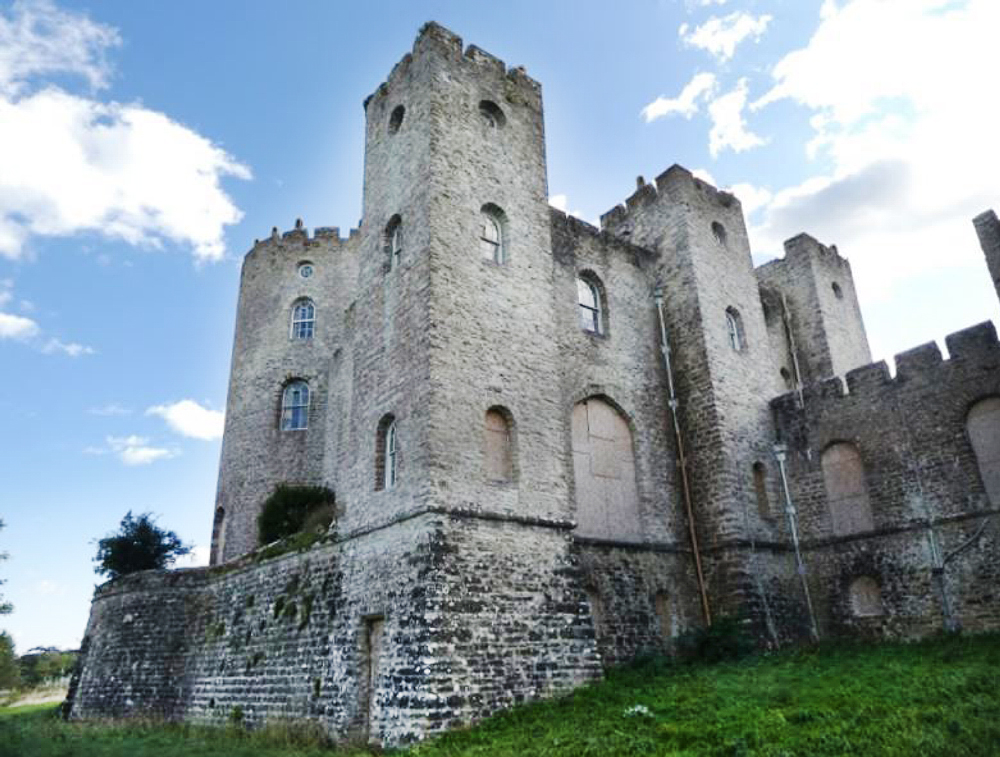

After Historic England branded proposals to turn a dilapidated Isle of Wight castle into a luxury resort as ‘a very poor outcome for such an important place’, developers have responded.
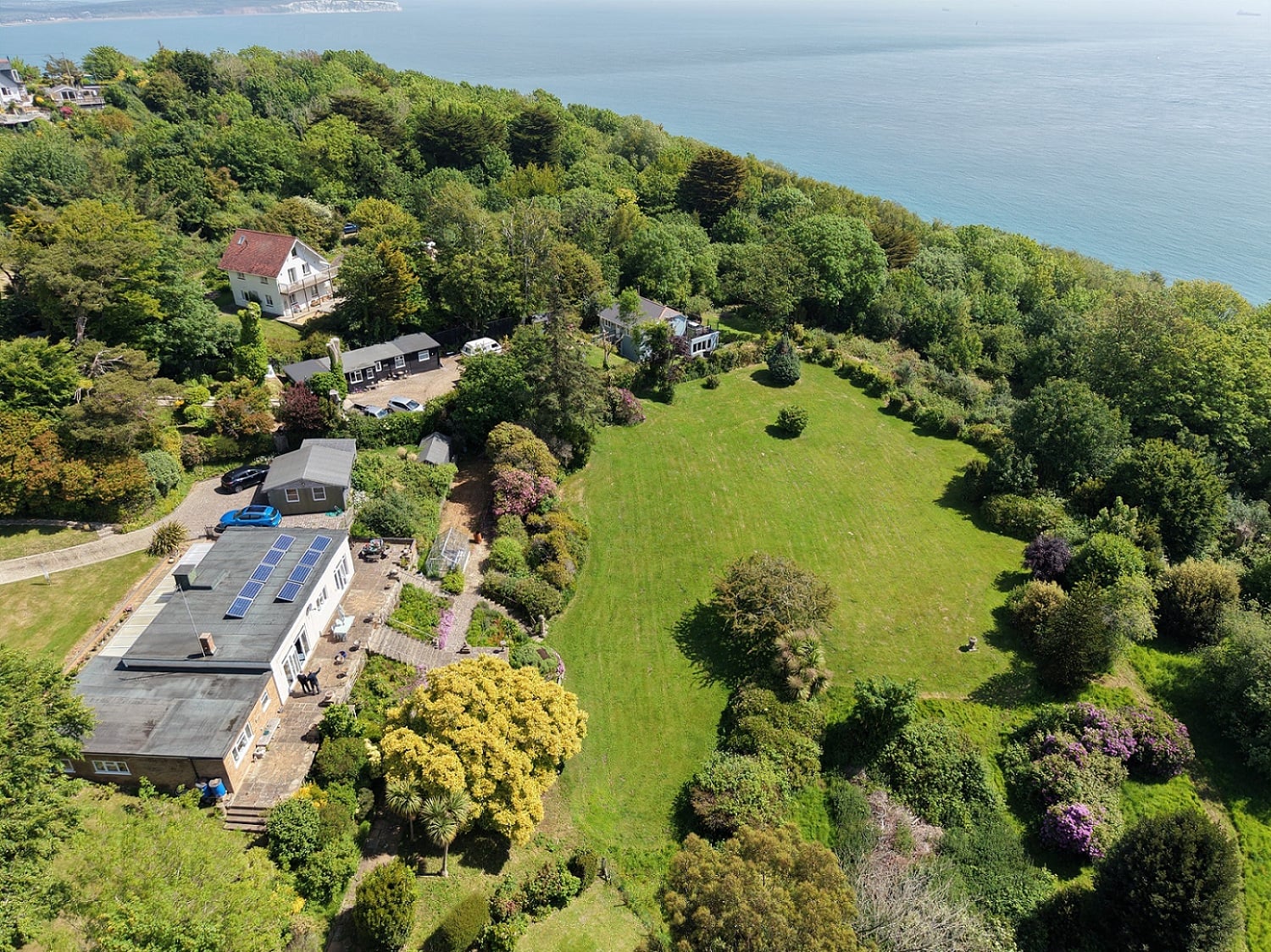
Following years of discussions, plans have finally been submitted for East Cowes’ Grade I listed Norris Castle.
The scheme has mainly been met with negative responses, the latest coming from Historic England (HE), which anticipates objecting to the application but, in a statement, said it needs more information before it can issue its definite answer.


Global Technical Solutions (GTS), the company behind developer, Norris Castle Estate Group (NCEG), said it was disappointed by HE’s comments, but was ‘not surprised’.
Meanwhile, NCEG insists it wants to limit further deterioration of the castle, once used by Queen Victoria and Kaiser Wilhelm II, following decades of neglect. It plans to restore and preserve it, turning it into a ‘year-round heritage and natural environment-led destination’.

GTS said it thought it had reached an agreement with HE on the acceptable ‘level of harm’ – or the amount of change – to the site, in order to ensure the castle is saved in the long-term.
Conversations have also been taking place about the financial viability of the project, with an independent review agreed by the 2 organisations.

NCEG argues its proposal for a hotel and spa, and houses on its grounds and on the neighbouring Springhill Estate, is the only viable option and says the repair and conversion plans are estimated to cost more than £107 million.
GTS said:
“We would be willing to address any concerns raised by any source in a professional and responsible way.
“We are only temporary custodians of this historical asset and ultimately the responsibility for saving the estate lies with the Isle of Wight Council.
“Maybe we should all be asking what other ‘sustainable future for the estate’ is viable.”
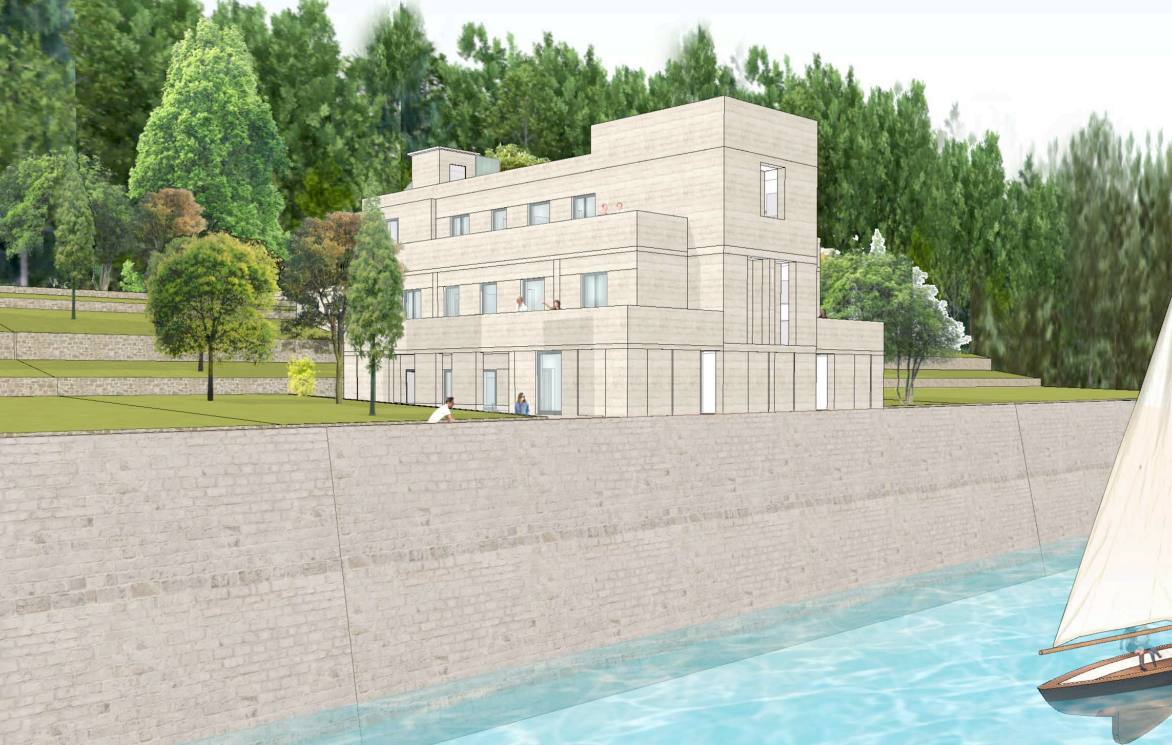
HE has recommended a decision on the application be deferred, to allow the impact of the proposals to be fully understood and argued, in a letter to the Isle of Wight Council’s planning department, development on the proposed scale envisaged would have a ‘profoundly harmful impact on the estate, losing its unaltered, tranquil character.’
The time for comments on the application has now officially closed, but the Isle of Wight Council has said it will continue to accept responses until the matter is finally discussed by its planning committee members.








Just gift Norris Castle to the National Trust problem solved, No mass building project and everyone will get to visit it. It doesn’t have to be all about the developers greed.
The National Trust only take on properties if they come with a pot of money to help pay for the ongoing maintenance costs. They would go bust if they took on properties without money to pay for them so problem is not solved.
You will of course have noted the word houses, in the key sentence…
NCEG argues its proposal for a hotel and spa, and houses on its grounds and on the neighbouring Springhill Estate, is the only viable option and says the repair and conversion plans are estimated to cost more than £107 million.
……..
So, the reality is- they build the houses, the hotel and spa fails, which are then turned into more houses, the castle never gets repaired or restored, as they will say that they are short and the council need to pay up to make it happen
Read between the lines, they are already lining up the council and the isle of wight taxpayers to foot the bill in some way here, to restore the castle….This is all a smokescreen to build more houses…
The clue is right here, in who is expected to ultimately pay for this….
We are only temporary custodians of this historical asset and ultimately the responsibility for saving the estate lies with the Isle of Wight Council.
It is and always was about the expensive housing for the developer, castle is merely a hostage.
I bet public will not be able to use most of the grounds, another win for rich people owning forests and pleb living in concrete.