













































“This has been a decision that no Chief Fire Officer wants to make but our funding position leaves us no choice – those are the words of Chief Fire Officer Neil Odin who has today (Friday) made the decision to proceed with plans to make cuts to frontline firefighting on the Isle of Wight.
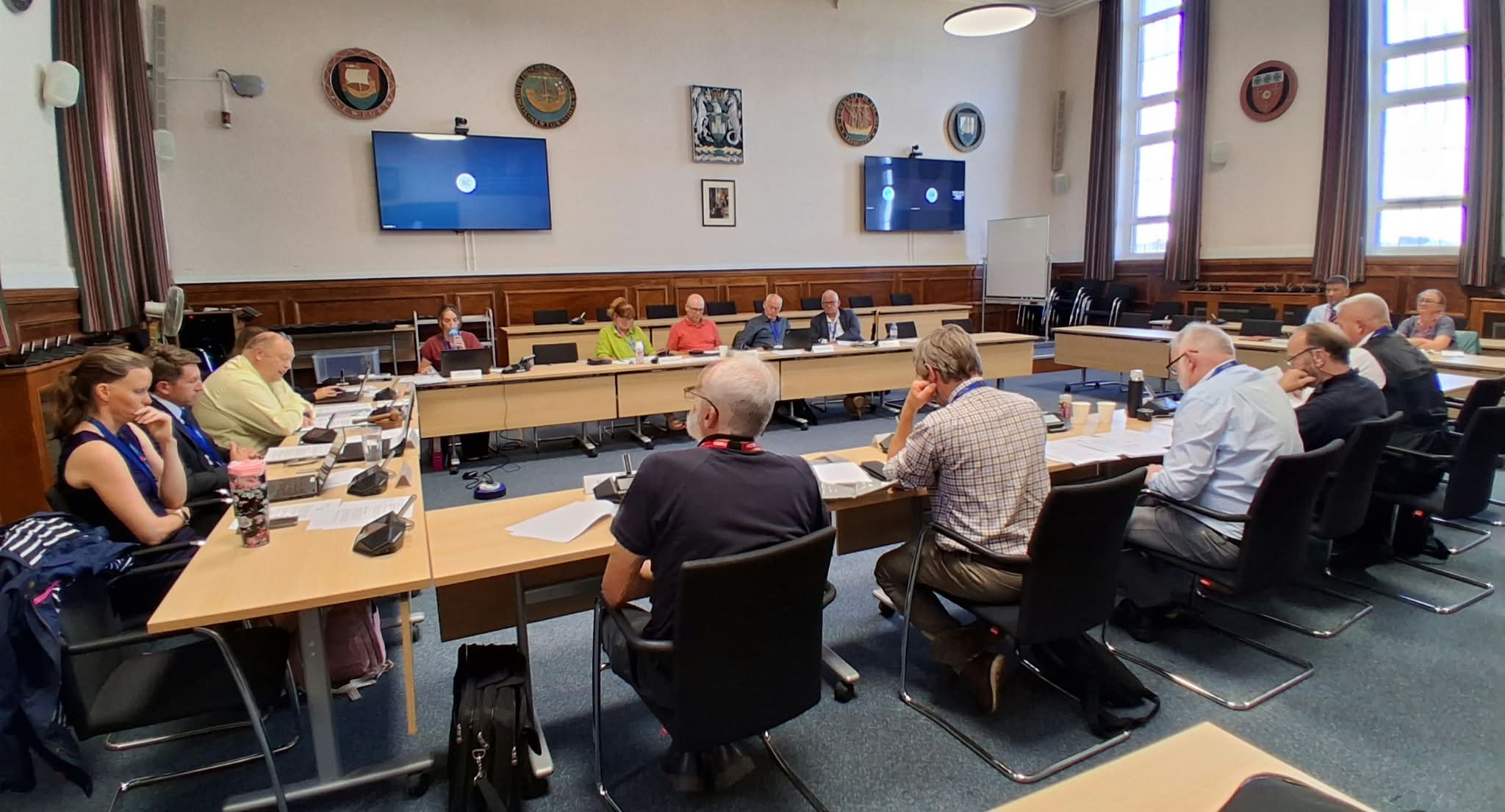
Following last week’s Fire Authority Meeting (29th August) Neil Odin, Chief Fire Officer has made the decision to move forward with changes to the service provision here on the Island which include ceasing operations from Bembridge Fire Station, combining Yarmouth and Freshwater fire stations and removing 1 Aerial Ladder Platform (ALP).
Chief Fire Officer Odin has also further reviewed the other operational changes following the Fire Authority request for additional assurances around those that would result in the loss of 16 firefighter posts and five operational managers.


The decision to merge the Island’s West Wight stations looks set to save around £100,000 in the next 2 years, whilst the decision to close Bembridge – which hasn’t been operational since 2020 – should save around £135,000 over 2025/26 and 2026/27.
On making the decision Neil said:
“I have considered the issues raised by the Fire Authority and taken another look at the changes to ensure no stone has been left unturned when looking for ways to close our funding gap.
“I have also reviewed the consultation and engagement results and data analysis carefully and considered the representations of the FBU on behalf of their members.
“We have taken every step we can to protect the frontline as far as possible. We are making savings across our hardworking support teams through redundancies, not filling vacant posts, and changing ways of working to cut costs, and we have utilised our estates to generate income.
Article continues below this advertisement “We have also taken what we can from reserves to offset our funding gap, however reserves are one off sums and taking more would deplete the funding we have for investment in equipment, fleet, technology and maintaining our estate, and create a need for greater reductions in future years.
“This has been a decision that no Chief Fire Officer wants to make but our funding position leaves us no choice. There have been two decades of under-investment in the Fire and Rescue Service nationally while at the same time we have seen demand increasing. And this is set to continue with a further budget shortfall projected for next year and unknowns around factors such as the outcome of the Fair Funding Review, the local government finance settlement, council tax flexibilities, regulatory changes, inflation and interest rates.
“We are asking our local politicians to take up the case, and we have written to Government asking them to act now so as not to make future decisions untenable in terms of balancing risk and resources or making choices between protecting firefighters from contamination versus adequate crewing numbers. We need adequate funding to ensure we can keep our communities and our firefighters safe.”

Mark Chapman, Fire Brigades Union regional secretary for the Southern Region, said:
“Firefighters across Hampshire and Isle of Wight were shocked to receive a video message from the chief today, announcing that cuts to the service will be forced through.
“This bulldozing of due process comes less than a week after the fire authority voted to delay plans to slash firefighter posts, giving the service more time to push for the funding desperately needed.
“Firefighters, councillors, members of the public and the fire authority have all made it clear that these cuts threaten public safety. Hampshire and Isle of Wight is already on the brink – losing further firefighter posts will put lives at greater risk.
“Senior management of the service have a duty to put public safety first, and to do everything in their power to secure these essential resources. Central government must step in and provide the funding so desperately needed.”
Other operational changes that are to be implemented are:
- Changing our operational structure reducing the number of middle managers. The savings associated with these changes are £652,000 over 2025/26 and 2026/27.
- A restructured operational officers rota system, which enables a reduction in the number of officers on the Flexible Duty System (FDS) rota. This generates a saving of £126,000 over 2025/26 and 2026/27.
Those already underway
- A new approach to responding to automatic fire alarms. Saving approximately £44,000 per annum. This will also create significant non-cashable efficiency savings, for example freeing up over 500 hours a year of firefighter’s time to undertake other activity.








At the same time, this and the previous government have no problem what-so-ever, in racing to spend countless millions of our pounds bringing over what is fast looking as though an invading army. The government show time and time again that they have no interest in the survival of our country.