

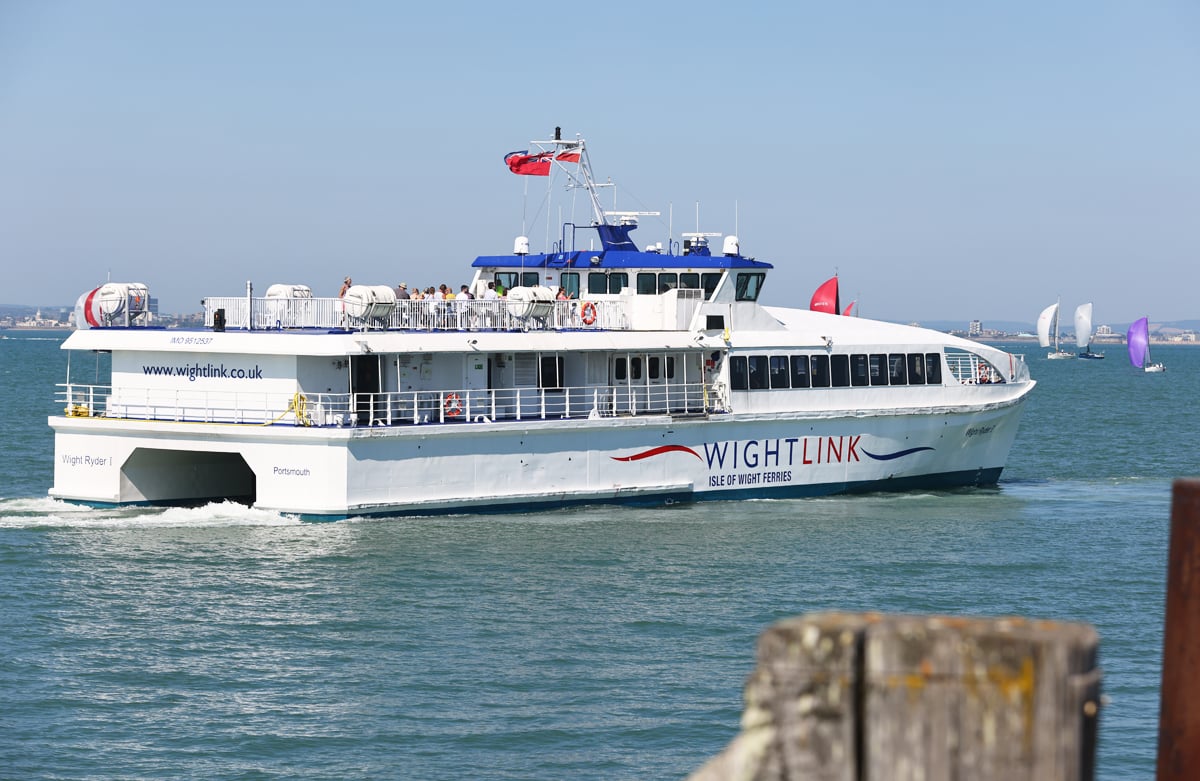

































 A ‘complex’ investigation into 2 catastrophic engine failures onboard Wightlink’s Wight Sky ferry has revealed a history of some 26 engine failures dating back to 2010.
The Maritime Accident Investigation Branch (MAIB) has spent over 3 years investigating the most recent incidents which occurred on 26th August and 14th December 2018 – but expanded their investigation to look at a total of 26 engine failures across the Wight-class fleet.
It was on 26th August 2018 that Wight Sky suffered a catastrophic forward main engine failure as it prepared to enter the Lymington River on its regular crossing from Yarmouth. This was the ferry’s second catastrophic main engine failure in less than a year – the failed engine being the replacement for the previous failure that had resulted in a fire and serious injuries to an engineer officer.


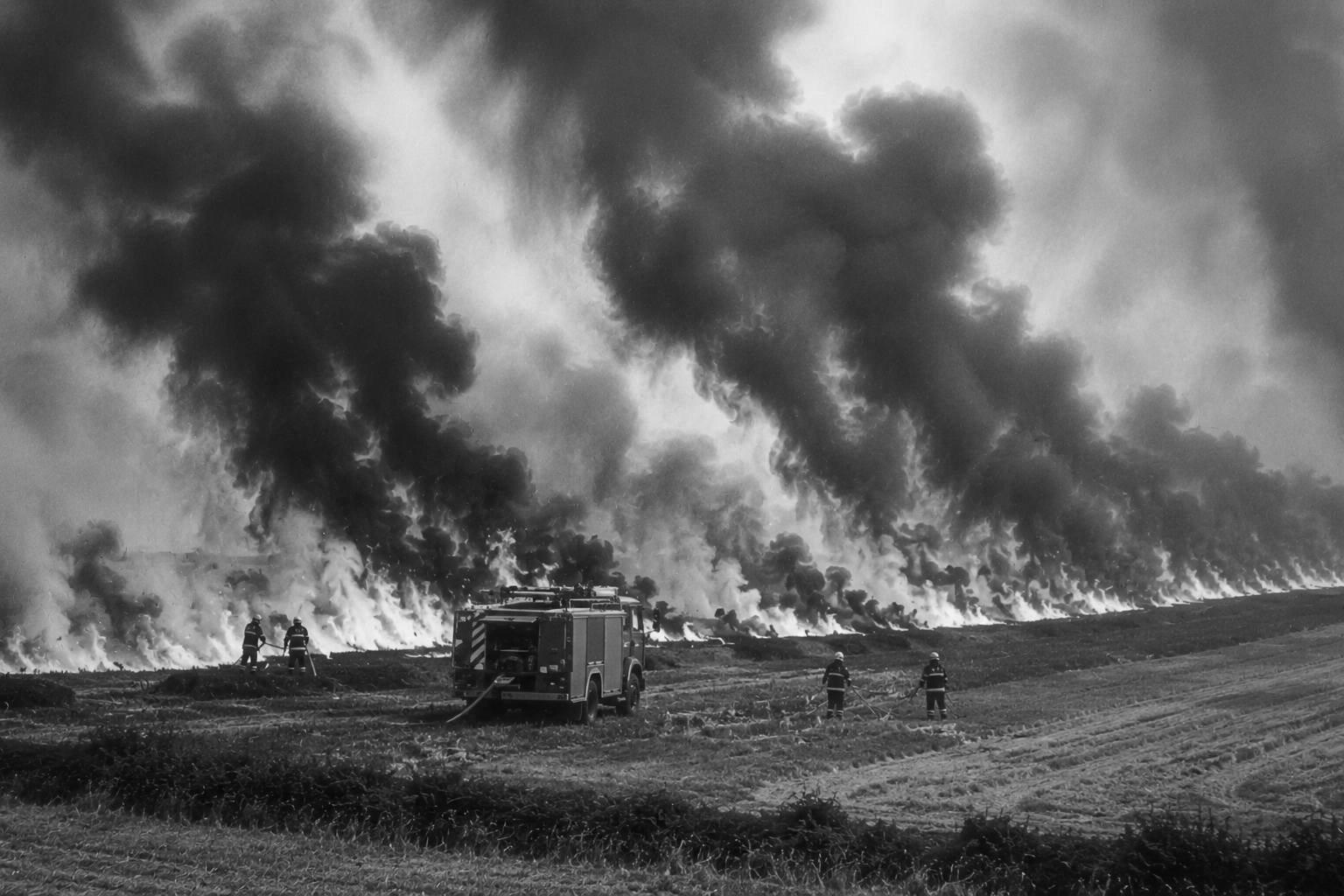
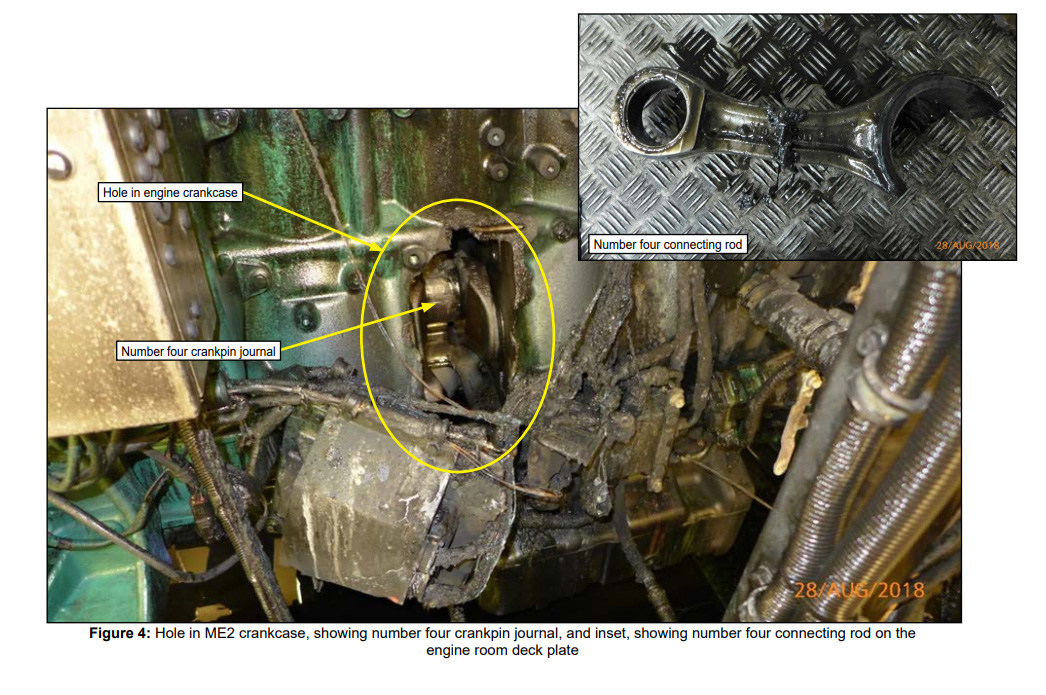
The accident report has revealed that at 18:41 the engine failed catastrophically causing a connecting rod to be thrown through the engine crankcase into the engine room. The oil and vapours released from the crankcase ignited and created a fireball around the engine.
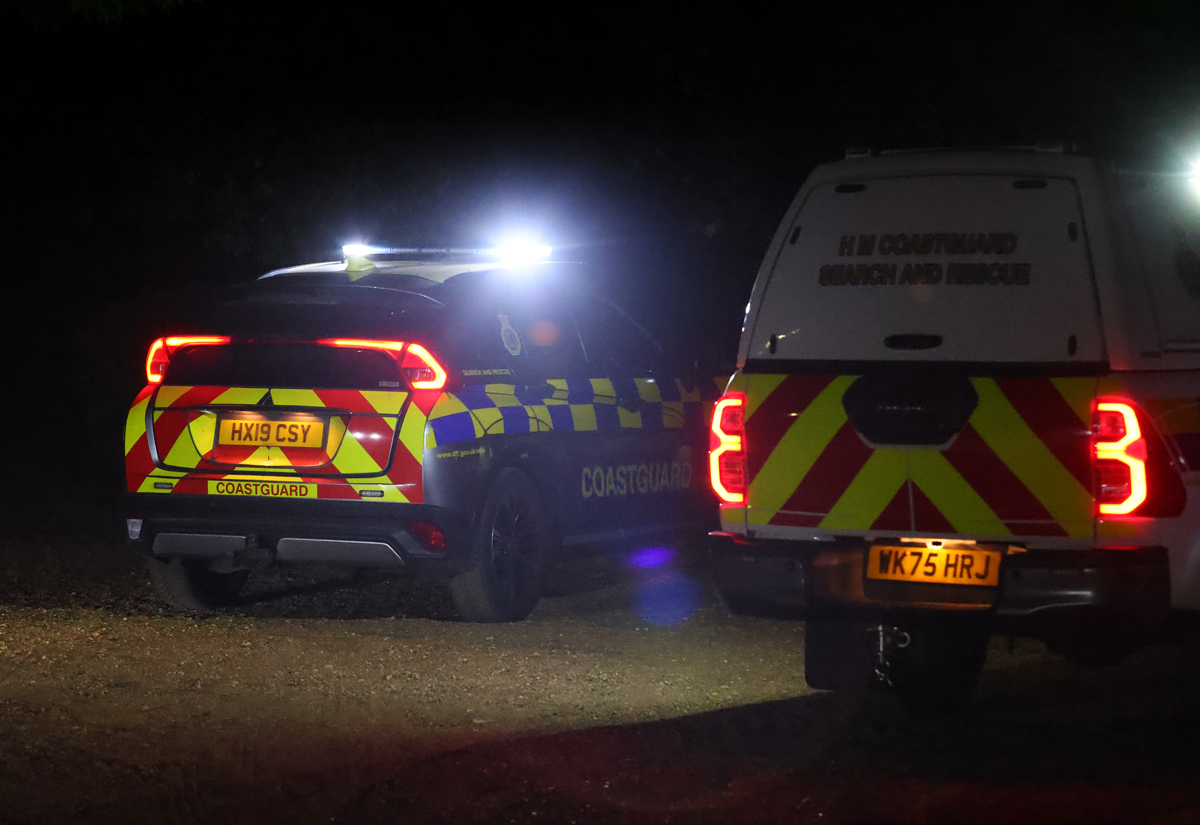
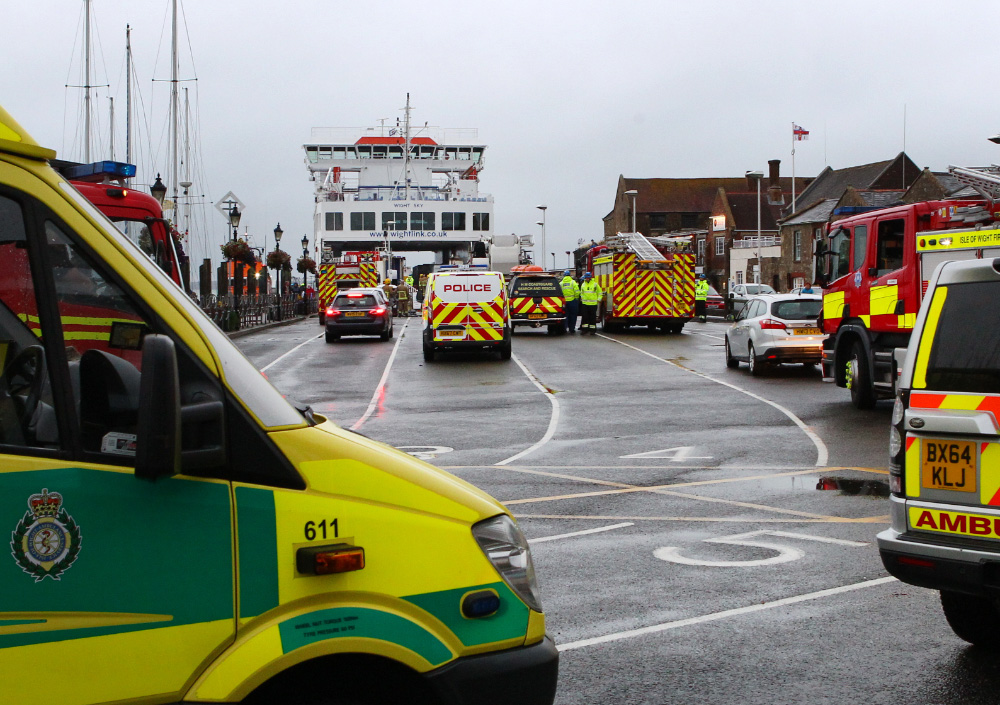
The 10 crew were quickly mustered, the 117 passengers assembled and the Coastguard alerted. It was originally planned to head into Lymington, but shortly after the master made the decision to proceed to Lymington black smoke began issuing from the engine room funnel. The journey was aborted and Wight Sky returned to Yarmouth.
On 14th December 2018, at 06:55 in the morning, Wight Sky suffered a third catastrophic engine failure – this time in the aft engine room. The crew reported loud banging noises coming from the engine room and smoke could be seen issuing from the shore at Lymington. The fire suppression system was activated and emergency stops were activated for fans and fuel pumps. With the engine still running, the master declutched and stopped the engine from the bridge and shut down the aft electrical generator.
Hampshire Fire and Rescue Service boarded the vessel at the Lymington terminal and was able to confirm there was no fire present. The initial inspection of the engine room identified that the engine had failed catastrophically and that its number 4 connecting rod and gudgeon pin had been ejected through the side of the engine crankcase into the engine room – much like the incident in August of that year.
As the MAIB’s investigation progressed, it became apparent that similar and other types of engine failures were more common on the 3 Yarmouth W-Class vessels than initially thought and that the failures started within 2 years of the vessels’ 2009 introduction into service. The breadth of the official investigation was further expanded to include all known failures across the 3 vessels – a total of 26 between 2010 and 2018, of which 5 were deemed serious.

The investigation has concluded, in short, that the failure in August 2018 was caused by a sudden loss of lubricating oil supply and that the failure in December 2018 was a result of an assembly error at Volvo Penta’s factory in Sweden.
Overall, the operation and maintenance of Wightlink’s main engines was not being managed effectively, according to the MAIB, and many of its engineering crew were not recording tasks they had performed, or engine fluid test results on the company’s electronic integrated management system.
Furthermore, the maintenance work carried out by RK Marine Ltd, the local service centre contracted to undertake most of the Wight-class engine overhauls, did not meet the standards set by Volvo Penta and those expected by Wightlink. Errors had been made during overhauls, basic levels of workshop cleanliness were not always met, engines had not been properly aligned, unapproved repairs were carried out and used components were regularly switched from engine to engine.
The reuse of components between engines was predominantly done at the behest of Wightlink’s technical department for cost-saving reasons and to expedite repairs, the MAIB has noted.

It has also been noted by the Maritime Accident Investigation Branch that the engine operating profiles, introduced to meet the wake restrictions in the Lymington River and to mitigate the risk of losing an engine, resulted in long periods of low power running which probably had a detrimental effect on engine condition.
Andrew Moll, Chief Inspector of Marine Accidents, has said:
“This has been a long and complex investigation. Initially focussing on two catastrophic engine failures, the investigation found a history of engine failures across Wightlink’s fleet of Wight Class ferries dating back to 2010. Consequently, the scope of the investigation was broadened to include the forensic examination and testing of five failed engines and their components, a full review of the vessels’ propulsion system design and operation. We also examined the ferry operator’s safety management, planned maintenance and condition monitoring procedures, together with the technical oversight provided by the engine manufacturer and its approved service provider.
“MAIB has worked closely with Wightlink, Volvo Penta AB, Lloyds Register and the Maritime and Coastguard Agency over the past three years to help ensure that most of the technical issues identified in the investigation report were addressed as soon as practicable.
“The report contains recommendations aimed at improving the reliability of the propulsion machinery on board the Wight Class ferries and reduce the likelihood of future catastrophic engine failures”.
MAIB has praised Wightlink’s crew for their speedy response to each emergency situation, which helped limit the consequences of the catastrophic engine failures.
Recommendations
It has been recommended that Wightlink should ensure competent technical oversight of maintenance on board its vessels, with further recommendations to Volvo Penta about identifying all affected customers to resolve the oil filter bypass anomaly.
The MAIB has also made a recommendation to Lloyds Register about the need to introduce within its rules and regulations the time taken to declutch a main propulsion engine from the drive shaft in the event of an emergency shutdown, to prevent the engine from being driven and increasing the risk of serious injury and damage.
The full report can be downloaded here.









Cheap ass refits and maintenance, incompetent engineering staff … shoddy service diabolical prices… profit before safety… Wightlink…. Says it all
As a frequent customer of Wightlink, I would like to see a full deep-clean of their vessels and appropriate maintenance. I don’t find it acceptable that Wightlink does not clean or maintain their public toilets; instead, they find it reasonable to place a bucket under the urinal waste.
On their £33 million flagship vessel, “clean me” signs are still visible, written into the dirt (by me) in February 2022.
Yes, COVID has impacted all businesses and caused a considerable reduction in revenue. But that doesn’t give Wightlink an excuse for charging customers astronomic fares where hygiene and regular maintenance is last on their list.
did you advise the company via customer services that you have reported the matter to the HSE?
Absolutely agree, all Wightlink vessels display obvious signs of poor maintenance, with the consequence of frequent cancellations and delays due to ‘faults’. If other businesses in a proper competitive market place operated like this they would fail. It is time for a minimum service obligation and fair but fixed prices for island residents. Selling tickets on the same basis as the air industry is wrong and unacceptable. Our ‘leaders and politicians’ have yet again all gone very quiet on this subject.
I guess you have not seen the appalling toilets on Red Funnel ?, Broken toilet seats,dirt ( we’ll say dirt but sure you know what I mean) floor wet,no privacy for children, lack of – given amount of passengers,small area on top each other. Has posh taps though. I don’t use Red Funnel often for this reason. Even has a bar across door on floor that people trip over to stop the slurry spilling into main passenger lounge. Wightlink any day for me.
Apart from the crews actions, none of the businesses here have actually come out of this covered in glory have they. Usual low quality from Shi*elink particularly.
Time for the government to bring it into public hands. If not then we need other options like a fixed rail link. If not the island will become a ghost town as all and every business is forced to leave.
Better get a higher quality elastic band.