



































































When we start approaching 50, sooner or later we begin to run into many more health issues and troubles that you might never have thought about. If you’re lucky and have stayed relatively healthy by taking active steps to look after yourself, unfortunately, it still doesn’t mean that you’ve avoided the risk of developing any health conditions altogether.
With the pandemic taking a toll on everyone either by affecting you personally or someone at home or perhaps working with you, it has become even more important to try and take preventative measures to ensure your health is optimal. Something as simple as regular health check-ups can be really beneficial. With services such as Cignpost Diagnostics being able to provide Covid-19 testing at work, it’s become easier than ever to get tested even if you think you’re just feeling under the weather. To read more about the sort of health check-ups that are vital for everyone, but especially more so if you’re over 50, keep reading below.
1. Regular Rapid Testing
Whether you’ve had Covid or not, regular rapid testing is a great way to keep yourself as well as those around you, safe and well. With rapid testing becoming more accessible and easier than ever, you could take a Covid test every morning before arriving at work, or even upon reaching work if it is more convenient for you. Taking just 5 minutes to do this check on a daily basis could really help you keep your health in check and take adequate measures in a timely manner to give yourself plenty of rest if you do happen to test positive and don’t feel well.


2. Height/Weight Measurements
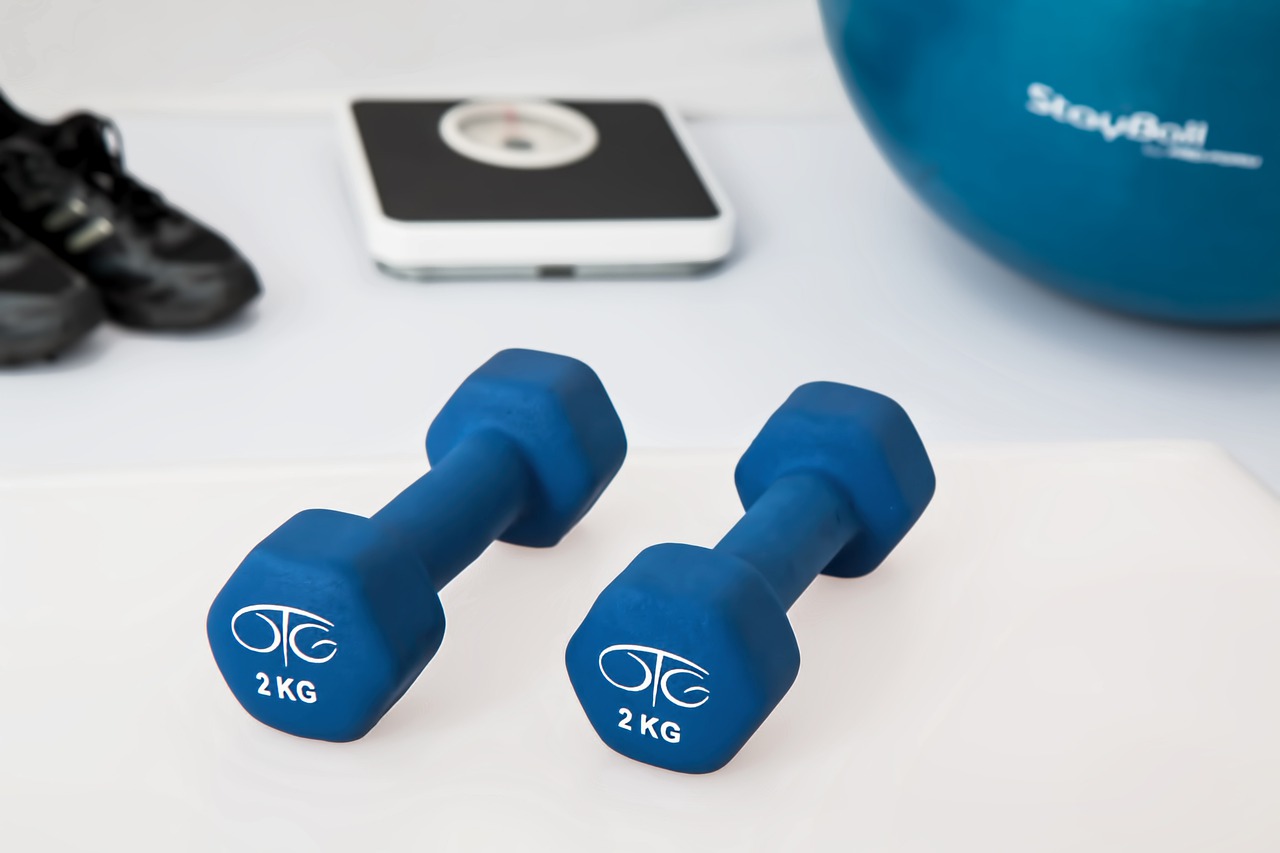
If you feel as though you have either lost or gained weight rapidly over a short period of time, then that could be an indication that there is some deeper issue that needs to be looked at by a healthcare professional. Something as simple as checking your weight at regular intervals could be a great way to keep an eye on your health, and should the need arise to go to the doctor, you will have kept a much more accurate record of your data, and it can help your doctor diagnose. The sooner you notice a change and go to the doctor, the sooner you will be able to take preventative measures if any issue comes up.
3. Blood Tests
Taking blood tests at suitable intervals can not only tell you whether or not you are a suitable donor for blood, which helps hospitals and blood banks, but it’s also useful in indicating many other factors to medical professionals. Blood tests are a great way to indicate whether or not you are at any risk of developing something like heart or kidney disease, or even diabetes. Blood test procedures can be as simple as a finger-prick test and don’t take very long at all.
4. Cancer Screenings
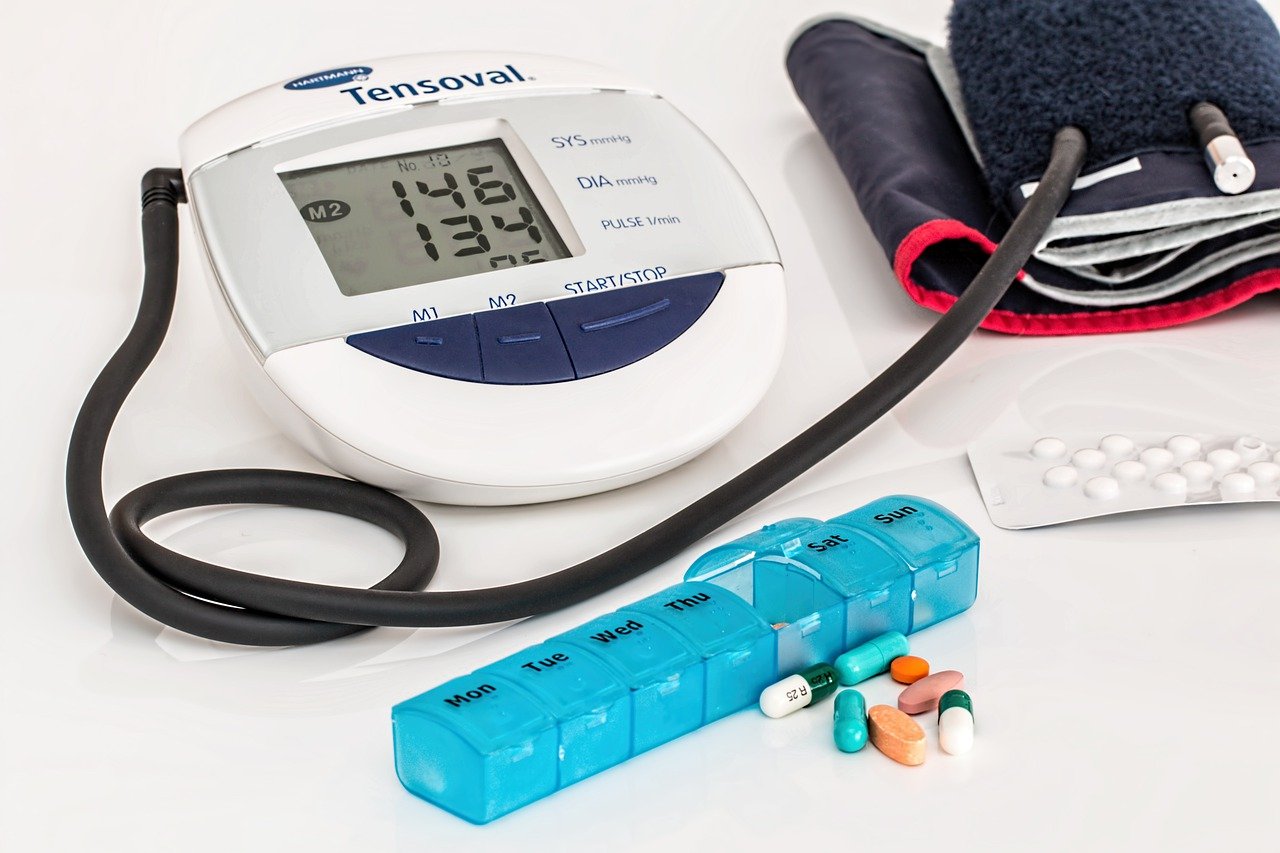
Although no one likes to think about the idea of cancer, unfortunately in many cases, people don’t realise they have cancer until it has developed to a more serious stage. Thanks to the advancements in technology and medicine, these are treatable, but preventative measures are of course the better alternative and preferable in all circumstances. This is why cancer screenings, especially if you are over 50 are crucial especially as there is a higher risk attached for certain groups of people. Some of the screenings available are for bowel, skin, prostate, breast, and cervical cancer. If you have a family history of cancer, it is important to check regularly so you and your doctor can keep an eye on it.

5. Cholesterol Test
Similar to keeping an eye on your weight and height, as well as regular blood tests, cholesterol tests are also often overlooked and not taken seriously enough. However, high levels of unchecked cholesterol can lead to serious risks of heart attacks and even strokes, so it is definitely worth keeping an eye on your cholesterol levels. Healthcare professionals have started advising having these levels checked from as early as the age of 20, so it’s especially important to have this done through a simple blood test, as high levels of cholesterol do not show any symptoms of any kind. The only way to know what level your cholesterol is at is through a test. Following the test, your doctor can recommend any changes in your diet, prescribe any suitable medicines, or in the ideal case, simply ask you to maintain your lifestyle in a healthy way!