





















































A new driveway is one of the more expensive home improvements you can make. Costs for a typical double driveway in the UK range from £3,000 for basic tarmac to upwards of £15,000 for natural stone or resin bound finishes. And yet a significant number of homeowners find problems within a few years: cracking, subsidence, puddles that won’t drain, or edges that have started to fail.
Most of these problems start before any surface material goes down. They come from poor groundwork, wrong material choices, or ignored drainage. In a wet UK climate, all three of those mistakes cost far more to fix later than they would have to get right the first time.
Here is what to check before you agree to any driveway replacement.


Drainage is the thing most quotes don’t mention
Water is the main enemy of any driveway. The UK averages around 1,200mm of rainfall per year across wetter regions, and even drier parts of England see 600mm or more annually. That water has to go somewhere. If your driveway doesn’t have a plan for it, it will find its own route, and that usually means pooling on the surface, running toward your house, or sitting in the sub-base and weakening it from below.
There are two approaches to drainage on driveways. The first is a falls-and-channel system, where the surface is laid at a slight angle, typically 1 in 80, directing water toward a channel drain or a soakaway at the edge or base of the drive. The second is a permeable surface, such as resin bound gravel or open-jointed block paving, which allows water to pass through the surface into a permeable sub-base below.
In England, planning permission may be needed for a front-garden driveway over five square metres if an impermeable surface does not drain to a suitable permeable area within the property. Different rules and site restrictions can apply, so confirm the position with your local planning authority before work starts.
The sub-base carries everything
The surface you see, whether that is monoblock, resin, tarmac, or natural stone, is sitting on top of a sub-base that does the structural work. Get the sub-base wrong and the surface will fail, regardless of how good the materials on top are.
A driveway sub-base must be specified for the soil, drainage design, surface and expected vehicle loads. Dense-graded MOT Type 1 is common in conventional construction, while permeable systems need a suitable open-graded build-up. Ask the installer to explain the required depth, compaction and membrane choice for your site.

Ask any contractor you’re considering what sub-base depth they plan to use and whether they’ll use a membrane. A vague answer, or a quote that seems unusually low and doesn’t mention groundwork at all, usually means the sub-base is being skimped on. That is where most of the labour cost sits.
Gradients matter more than people expect
A driveway that looks flat often isn’t, and that matters in both directions. A gradient that runs toward the house will direct rainwater toward your foundations and potentially into the garage. A gradient that is too steep can make the driveway hazardous in ice or wet conditions and can put stress on vehicles being parked.
The ideal cross-fall on a driveway is between 1:40 and 1:80. That is gentle enough to be barely noticeable underfoot but steep enough to move surface water reliably toward the drainage point.
If your existing driveway slopes toward the house, a replacement is an opportunity to correct this. But it requires more groundwork, not just relaying the surface. A contractor who quotes to correct a gradient issue without explaining how they’ll regrade the sub-base should be asked to clarify.
Choosing a material for the actual climate you have
The UK does not have Mediterranean weather, and driveway materials that perform well in warmer, drier climates do not always hold up the same way here. There are a few things to know about each common option.
Tarmac is cost-effective and handles heavy use well. Maintenance depends on its condition and the installer’s advice; periodic sealing is not a universal requirement. It can soften in prolonged heat, so choose a specification suited to the location and use.
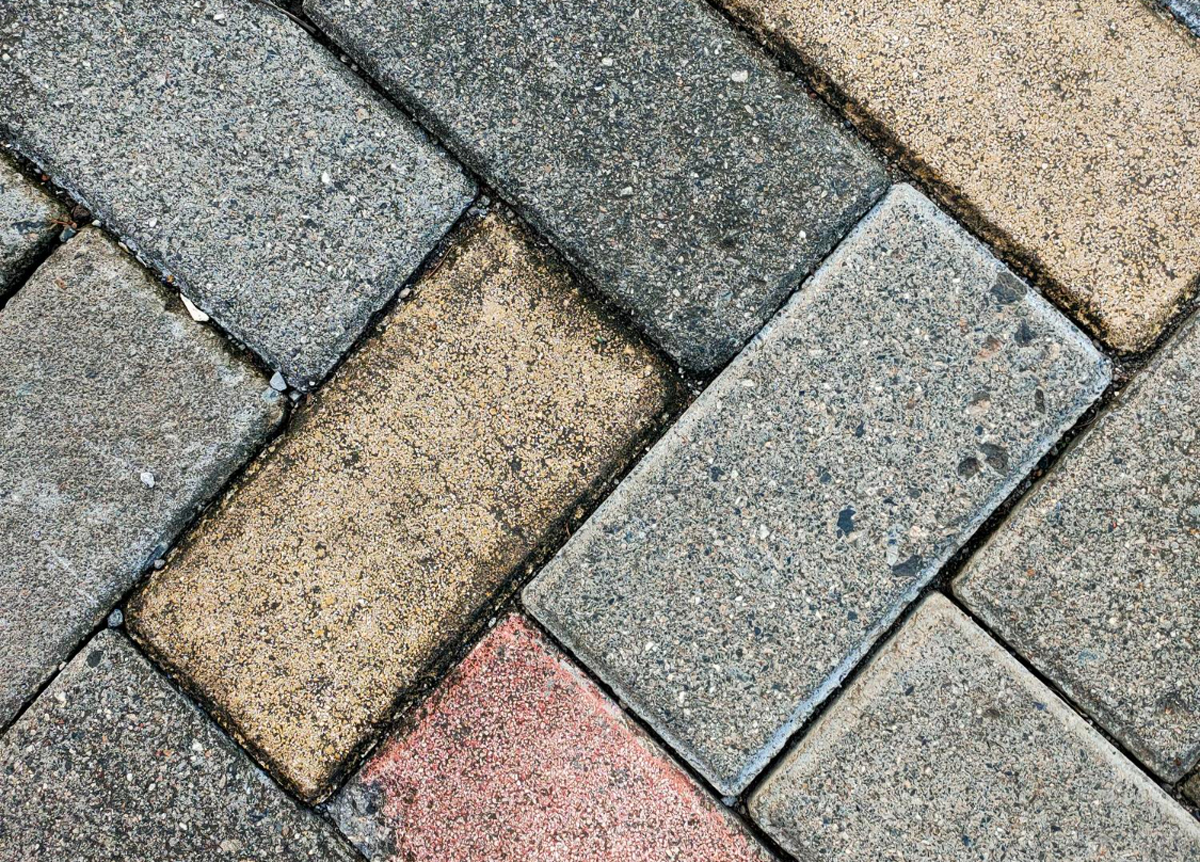
Monoblock or block paving is popular and repairable. Individual blocks can be removed and replaced without disturbing the whole surface. The joints between blocks are the key point of vulnerability: if they’re not properly brushed with kiln-dried sand and the edges aren’t properly restrained, the blocks will shift over time.
Resin bound gives a smooth, low-maintenance finish and is fully permeable when properly installed. The quality of the resin mix and the depth of application matter enormously. A thin or poorly mixed resin surface will crack and come away. It’s one of the formats where cheap installation consistently produces poor results.
Gravel is the most permeable option and one of the lower-cost ones. It needs a proper compacted sub-base and good edge restraints, otherwise it spreads and creates ruts. A stabilised gravel system using a plastic grid below the surface holds the stones in place and makes it far more practical for regular vehicle use.
Natural stone sets and flags are expensive but extremely durable when laid correctly. The laying pattern and pointing material both affect how water moves across the surface and how frost acts on the joints in winter.
What good installation actually looks like
The best way to judge a contractor before work starts is to ask to see an existing job. Not photos. An actual completed driveway you can walk on, look at the edges, and check the drainage points yourself.
Look at the edging. Edge restraints should be mortared in solidly, not just set in compacted stone. Look at the falls. Stand back and check whether the surface visibly runs toward a drain or channel. Look at the joints. On block paving, they should be filled evenly and consistently. Look at where the driveway meets the house. There should be a clear gap or channel to prevent water tracking toward the wall.
In wetter parts of the UK, those working on professionally installed driveways in Glasgow and similar cities deal with significantly higher annual rainfall than southern England, so their specifications around drainage and sub-base depth tend to be more demanding. That approach, treating water management as non-negotiable rather than optional, is worth applying wherever you are.
What to ask before you sign a quote
Getting three quotes is standard advice but the quotes are only useful if you’re comparing the same thing. A quote that doesn’t specify sub-base depth, drainage method, edge restraint type, and material specification is not a complete quote. You’re comparing an unknown with an unknown.
Ask each contractor the following before accepting anything:
What sub-base depth are you quoting for, and will you use a geotextile membrane? How will surface water drain, and does this comply with permitted development rules? What material are you using for edge restraints and how will they be fixed? What is the expected maintenance requirement for the surface material you’ve recommended, and over what timeframe?
If a contractor is unwilling to answer these questions clearly, that tells you something. The ones who know their trade are usually happy to explain it, because good groundwork is what separates their work from a cheaper competitor’s.
Check recent references, insurance and any claimed contractor accreditation directly with the issuing organisation. Membership of a directory or scheme is one useful check, but it does not guarantee workmanship.
The groundwork matters more than the surface. Get that right and whatever material you choose on top will stand up. Ignore it and the prettiest driveway in the street will be giving you problems inside three years.