





























































As we approach ever-closer to 2030, the Isle of Wight’s internet access and coverage options continue to evolve. Far from the dial-up systems many of us grew up with, today we’re blessed with a wide selection, where the only problem is choosing what fits us best. Today, we’ll explore these options to help Caulkheads select a system that they can be happy with in the years ahead.
Use Case Matters Most
No matter the option you decide on, it’s first important to know the speed which can match your needs. Unlimited data is always a good starting position, but beyond this point, you need to focus on the bandwidth required for smooth and reliable access.
Consider if you’re in a single-person household, and you only really use the internet for light browsing and interactive elements like playing on slot games UK services. These games, like Lava Balls and Straight Cash, work perfectly on far less than 20 Mbps of bandwidth, and the same applies to browsing their websites and collecting bonuses. If this sounds like you, then the fastest plans on the fastest systems are unnecessary.


On the other hand, if you share the household with many people who like to watch ultra-high definition films, then you’ll want to avoid slower speeds and older internet connection types. Remember, each person connected simultaneously effectively divides your bandwidth allowance, so factor that into your calculations.
Your Main Choices
With that out of the way, let’s break down your main options and what they offer.
Fibre – The Fastest and Most Reliable
The most cutting-edge systems with the fastest speeds and highest levels of reliability are fibre internet plans. These typically offer speeds of up to 1 Gbps at their peak, which, while not necessary for most, can help future-proof, or be helpful if you run a business which offers free Wi-Fi for multiple users.
Fibre will tend to be middle of the pack in cost, and the first install will usually require a hardware install. This is often subsidised by the company, however, so it’s worth discussing with the ISP.
ADSL – A Fine Older System with Lower Speeds
ADSL was once the king of home internet systems, running through phone lines rather than dedicated fibre connections. This isn’t as fast as fibre, but it tends to be more accessible since it only requires access to a phone line. With speeds up to 50 Mbps in some cases, this is a fine alternative to anyone not looking for the cutting-edge.

Wireless and Satellite – Less Reliable, But More Flexible
Over-the-air options like wireless and Starlink don’t require any kind of hard-line connections to local infrastructure, making them great if you don’t have a fibre or phone line to lean on. They can also offer speeds of over 300 Mbps in some cases, making them a fast potential option. On the other hand, these are also costly and the most affected by weather and environment, so don’t expect reliability in anything approaching a storm.
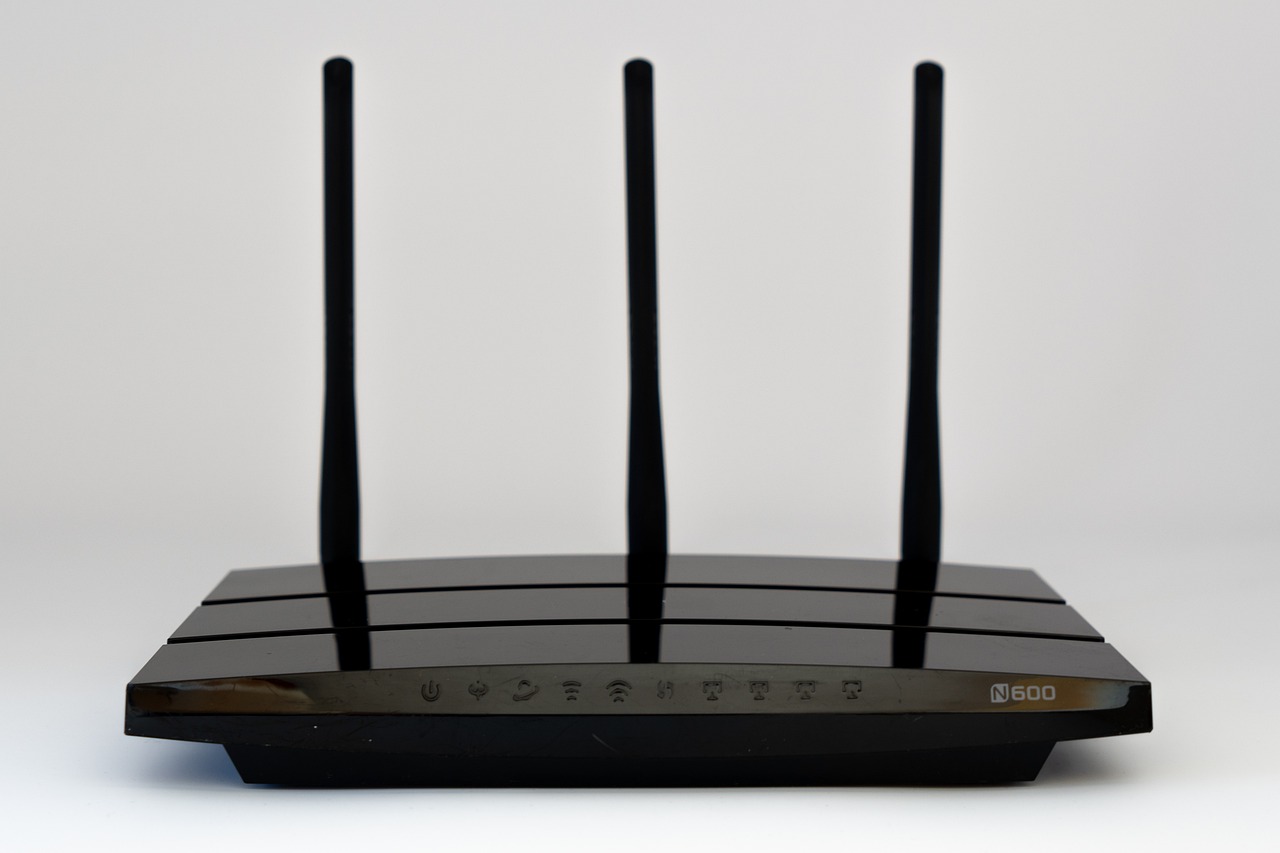
Your choice of the best internet connection needs to be considered carefully, as the wrong choice can leave you frustrated and cost you money to fix. Don’t assume that you need the fastest speed, and don’t fall into the trap of thinking that a newer system like Starlink is necessarily the best for you. Measure your needs against your options, ask your friends about their experiences, and you’re more likely to land on a choice you’re happy with.