
























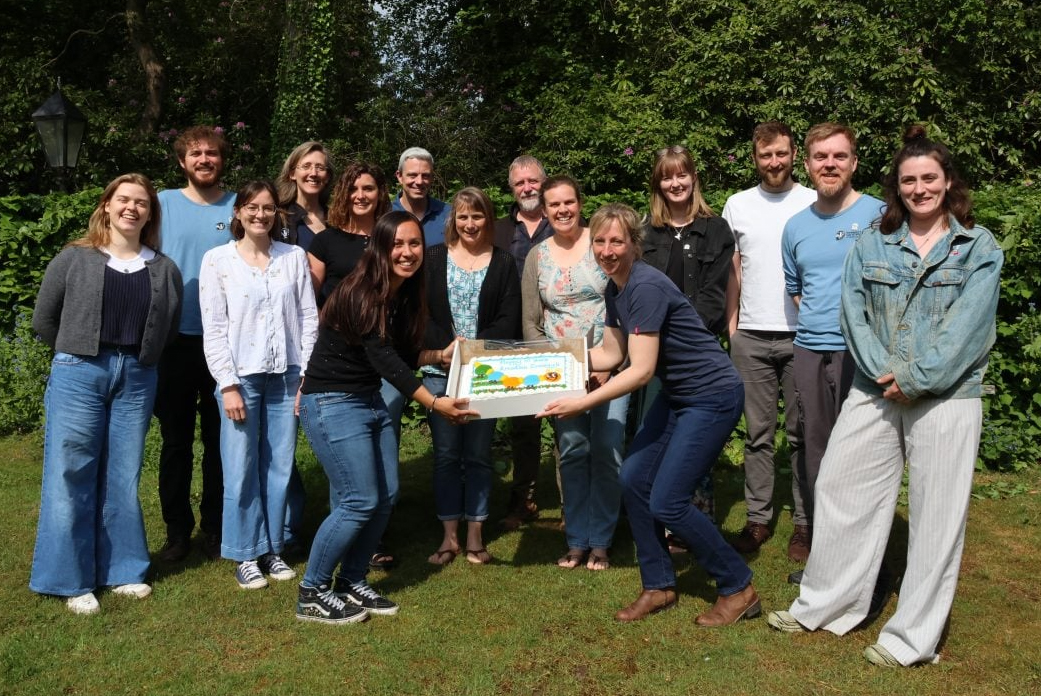



































CamCare have just wrapped up a series of educational workshops aimed at helping gambling providers to reduce harm across the industry in the UK. It was a learning experience for all involved, as GamCare played the role of host to a special event for clients, helping them with education dedicated to Gambling Related Financial Harm (GRFH), a key activity in the field.
GamCare put on the Gambling Related Financial Harm (GRFH) workshops back in November of 2022, with the key focus being on how organisations can support their clients with outstanding gambling debts. While you might think that providers would take a hands off view to gambling debt, it is part of their responsibilities to promote responsible gambling to players. This means that active harm reduction activities must be woven throughout the business offerings to comply with local and international regulations.
GamCare: A staple of the UK gambling industry
You might know GamCare from their outreach efforts for gambling issues in the UK. Not to be confused with GamStop, the UK’s free online self-exclusion program for gamblers, GamCare is a charitable organisation that also runs the National Gambling Helpline.


The organisation was founded in 1997 and provides advice and support to anyone involved either directly or indirectly by problem gambling. The charity runs a range of support operations, including the Helpline with phone and live chat functionality that operate 24/7, forums, plus face-to-face counselling services across Great Britain. These are all offered free of charge and provide actionable ways for people from all walks of life to deal with problem gaming behaviours and their associated emotions.
Gambling Related Financial Harm
Gambling Related Financial Harm is a serious consideration of the gambling industry, and one that is a huge influence on the regulators when considering new regulations or updates to existing regulators. Providers must take serious steps to understand GRFH fully so their operations are compliant and they can engage with regulators on the subject with fluent ease. Banks and debt advice providers must also be able to identify gambling-related harm activities and deal with them appropriately.
Under GamCare, GRFH is a knowledge sharing programme that seeks to educate the whole industry in best practices and customer support is de-escalating financial harm before it becomes a significant problem.
The workshops
The workshops provide a space where key figures from banking, debt, and gambling can come together and work through problems to do with harm reduction across the industry. It’s an important space, as it is a requirement for all these organisations from a compliance perspective.
The workshops are an excellent opportunity for organisations to come together and discuss GRFH in an environment they wouldn’t usually encounter. They also provide a chance for key players in the industry to come to insightful conclusions and make recommendations for industry-wide best practices. GamCare takes the necessary steps to capture all the best bits from the workshops to incorporate them into further recommendations. It’s in this way that these programmes help grow beyond their original ideas and scope into more robust reflections of the wider and constantly changing industry.

The November workshop
Lead by an all-star cross-sector team, including speakers from Lloyds Banking, Bristol Uni, and major debt companies, the series also brought out people who had faced the consequences of massive gambling debts first hand. This varietal mix meant the talks had both an institutional focus as well as a personal one, too. It was a chance for everyone to really get to the real issues at hand and how they impacted people as well as the organisations involved – and how they could help.
Moreover, attendants discussed how organizations from all sectors and gambling operators need to be transparent about insights, reporting any data that can aid the supporting vulnerable customers. These include players seeking to make the most of free spins no deposit 2023 UK bonuses, amongst various other promotional offers which tend to reel in gamblers to continue playing.
Thanks to the workshops, providers now have a better idea of how to approach gamblers who may be dealing with gambling related harm in association to debt – and other detrimental effects.
And how about for gamblers?
Part of the workshops involved educating organisations about the shame surrounding gambling-related harm and how it affects people in real life, with hidden behaviors and masking of activities. By having real, lived experiences told by people who have gone through these issues themselves, it brings a very real human element and perspective that is impossible to ignore. Gamblers who may have issues themselves can feel a bit safer in the knowledge that the organisations associated with the industry are compelled to face problem gambling with a more compassionate touch.