













































In the first of our series on Isle of Wight villains, Island Echo looks at the stories and myths surrounding Michal Morey – the murderous woodcutter from Arreton who was executed in 1737.
On a June morning in 1736, 2 countrymen crossed the fields in the parish of Arreton on their way to a wood. The taller figure was a man in his 60s carrying a leather pannier: Michal Morey; the shorter, his grandson: 14-year-old James Dove.
However, only 1 of the pair was to emerge from the wood…


Woodcutter Morey had turned from butcher of trees to butcher of his grandson. Michal hacked off James’ neck with a billhook before slicing off his arms and legs. He then bundled the bloody remains into the leather pannier, which Michal then concealed in the wood.
Why had Michal turned on his own flesh and blood? Local folklore gives us 2 explanations. The first is that James had been left money and that Michal had killed the boy in a fit of greed or jealousy to keep the money for himself. The second is that had been late in bringing his grandfather his breakfast.
Local legend also states that James was killed at his grandfather’s home and that Morey burnt his house down to hide the evidence. This is the explanation for the origin of the name of the nearby road – Burnt House Lane.
However, this story is untrue. Michal Morey lived in Sullens – some distance from Burnt House Lane – and James was killed in a wood.
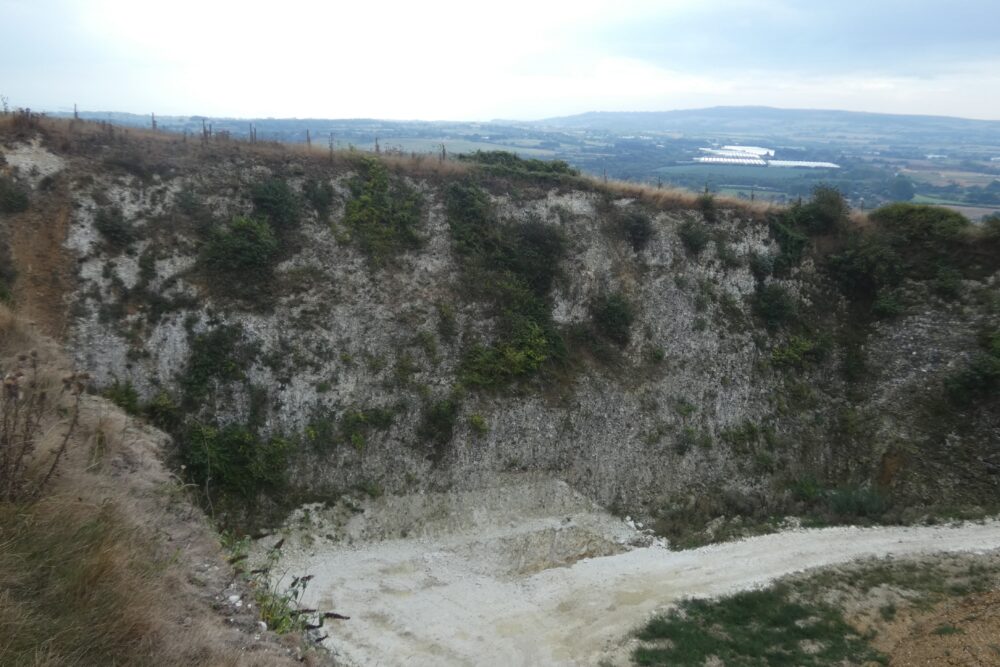
After his terrible deed, murderous Morey disappeared. No-one knows where, but locals believe he had hidden in a cave in Downend chalk pit.

With James missing and his grandfather nowhere to be seen, a ‘hue and cry’ was issued for Michal. This required everyone in the vicinity to do their utmost to bring a wanted felon to justice. It also meant anyone aiding him would face severe legal consequences (possibly even the death penalty).
In mid-October of 1737, the dismembered and decomposing remains of James Dove were found in the wood together with Michal Morey’s billhook. James could not be recognized except from his clothing.
Michal Morey had already been taken to Winchester Prison. He stood trial on 19th March 1737. He neither confessed to the crime nor explained any motive for the killing. He was sentenced to death by hanging and led to the public gallows where he was executed the very same day.
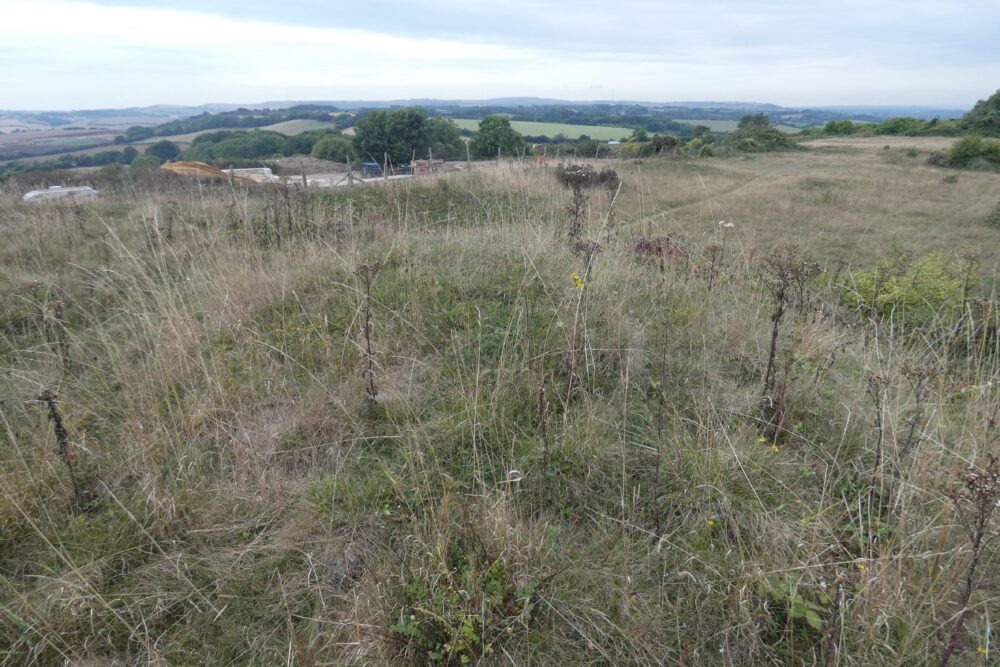
Michal Morey’s body was returned to the parish of Arreton, where it was displayed in a public gibbet on gallows hill as a deterrent to would be wrong doers. The gibbet was placed on a Bronze Age barrow that now bears his name: Michal Morey’s Hump.
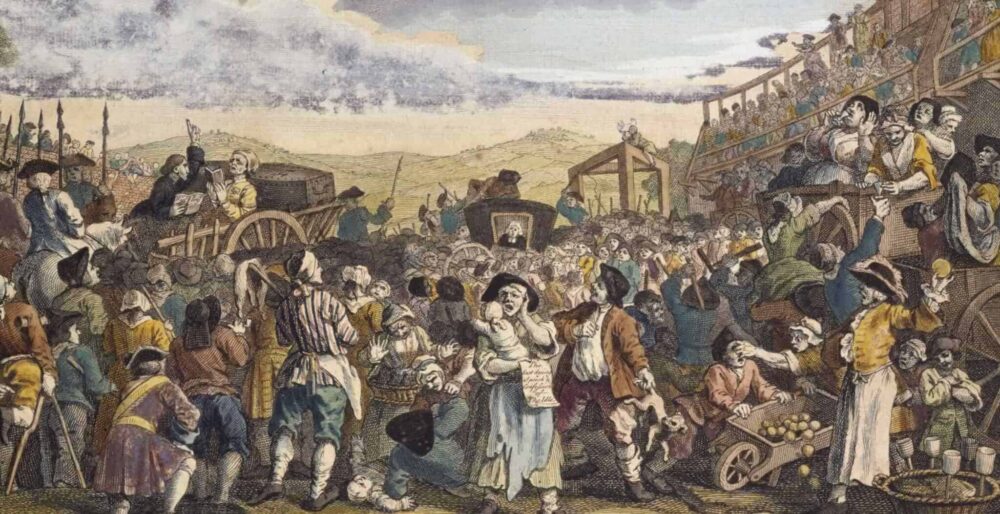
In the summer of 1737 – a year after James’ death – travellers on the Downs Road could see flocks of rooks and ravens circling above the mortal remains of the deceased murderer swinging from the gibbet. One traveller named William Jolliffe – standing in the bird droppings to view this gruesome spectacle – admired the wrought iron bands securing Morey’s decaying remains. When the body was finally taken down, he made off with a section of the limb irons and turned them into a souvenir pipe rack to keep in a Newport public house.
No-one knows how long Michal Morey’s body remained suspended from the gibbet, but it was long enough for him to be immortalized in a children’s rhyme:
Michal Morey is dead,
For chopping off his grandson’s head.
He is hung on Arreton Down
For rooks and ravens to peck down
The final resting place of Michal Morey’s remains are unknown, but he may have been buried where the gibbet stood. Neither do we know when the gallows were removed from Gallows Hill.
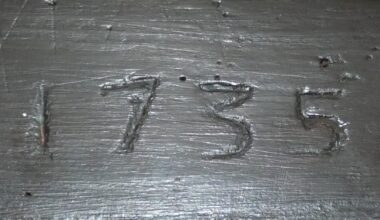
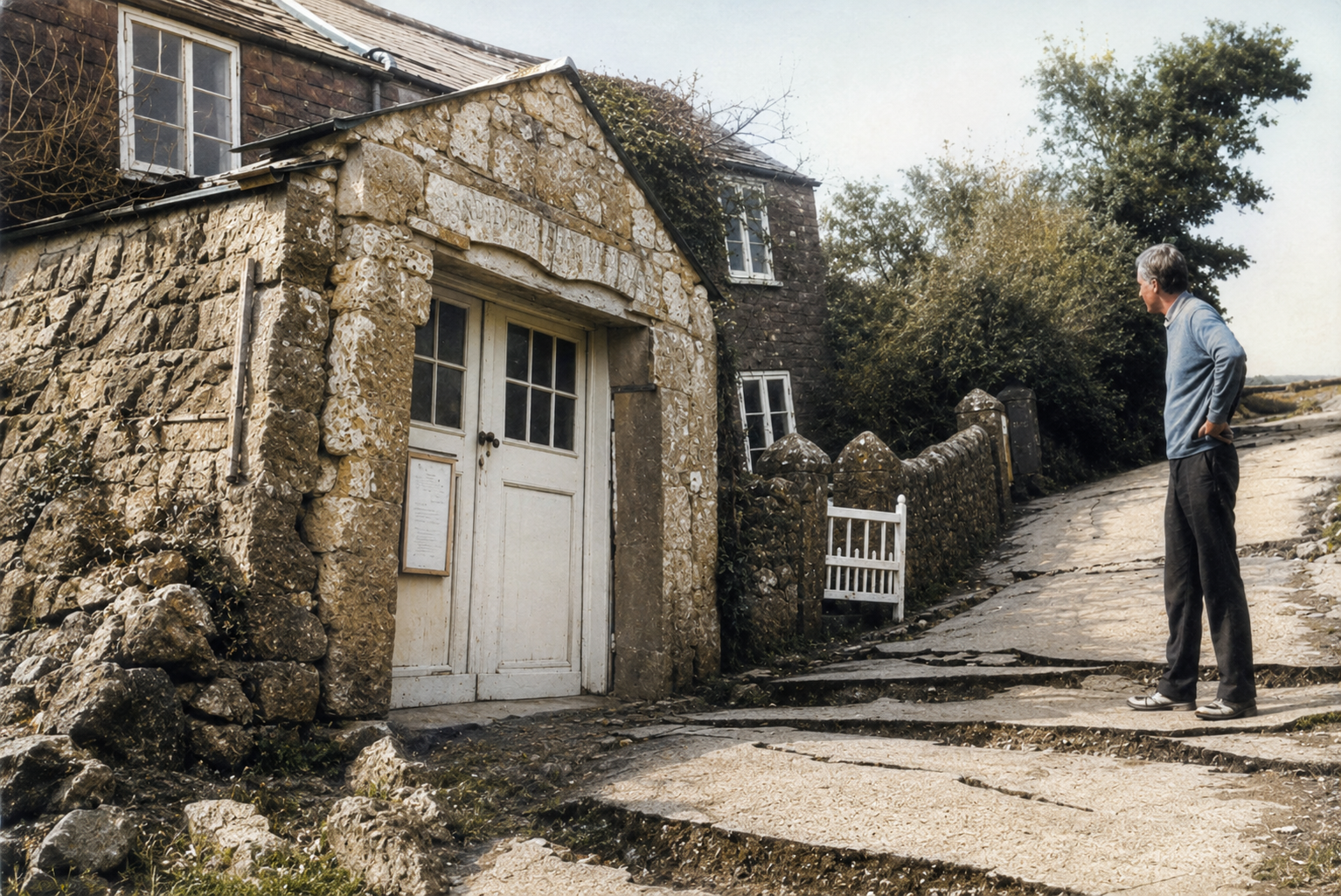
The wood from the gallows is said to have been used for 2 beams in the nearby public house: the Hare and Hounds. One beam is certainly the correct length to have been used as the main gibbet post. Both beams have been marked with the date 1735: 2 years before Morey was suspended from the gallows.
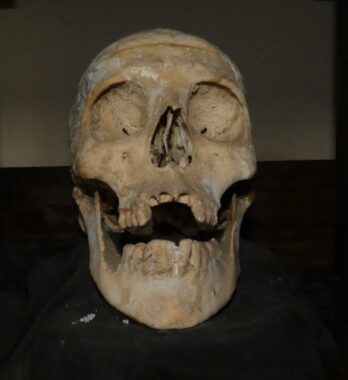
Michal Morey’s bones have supposedly been dug up on several occasions – in 1815, 1878, 1933, and 1956. These are all occasions on which Michal Morey’s Hump has been excavated for archaeological purposes and skeletons and skulls have been found. 1 skull found in 1933 was said to be that of Morey, but it is more likely to be that of a woman who died in her late teens. This is the skull currently on display in the Hare and Hounds.
And what happened to the cave at Downend Chalk Quarry where Michal Morey supposedly hid from the “hue and cry”? Unfortunately, it appears to have been blown up by sappers on military exercises during the Second World War.
As may be expected there have infrequent sightings of Michal Morey’s ghost over the centuries since his death. A man in ragged clothes with an axe on his shoulder is said make the occasional appearance in the vicinity of Downend. It is suggested that smugglers used the story to keep their contraband from prying eyes when it was hidden in the chalk pit cave.
Island Echo asked the manager of the Hare and Hounds pub whether he had ever seen or heard anything untoward in the 4 years he has worked there.
Kevin (the manager) said:
“Paranormal investigators have come here and not found anything. I lock up every night and I haven’t experienced anything strange happening.
“In the 4 years I’ve been here, I only know of a single isolated incident when a member of staff reported that a bottle rolled across the floor towards the skull on display without any visible means of propulsion.”
The factual information in the article about the execution of Michal Morey is to be found in the booklet For Rooks and Ravens by Kenneth S. Phillips.











Interesting.
Please can we have more local history items to read.
Thanks.
Great stuff! More of this interesting stuff rather than the daily dirge of druggies and shoplifting stories. There are also plenty of modern-day villians at IW Council, but let’s forget those for now…
Agreed, good article. Nice one Guy
An interesting article which most Islanders are aware of and intrigued by.
Odd how the passing of time makes such acceptable to be interested in.
Imagine if a child living here today was butchered by their Grandfather. The gory facts would be unpleasant to hear about.
I have been told that the cave that Morey hid in is still there but is opposite the current large chalk pit and in Winter you can view when passing in a car the cave in the overgrown chalk pit on the left hand side of the road a little way before Burnthouse lane.
Maybe the owners of it doesn’t want sightseeing so keep it quiet.
Love this sort off stuff.
Any chance of looking into the grave stone at Yarmouth cemetery, that is to a officer who was killed in a accident at boldnor camp.
I can’t find anything about said incident
In the 1980s, the manpower service paid for a full survey of every old tombstone on the island to be recorded and photographed. I believe that the records are in the County record office in Newport.
More of these local history stories please, it was an interesting read, thank you!
When will you do one on the infamous Dave Stewart lol
You always have to pay an arm and a leg from Morey’s.
Where can we get a copy of the booklet For Rooks and Ravens?
Until recently Vectis Archaeological Trust owned the Hump. For more information on the hump have a look at http://www.vectisarchaeology.org.uk/ top left of the page. We have a copy in our library at Landguard Manor.