






















































How Chicken Road Crash Game Works
Quick online mini games are proving popular with Islanders looking for a few minutes of entertainment between jobs, on ferry crossings or during rainy evenings at home. One of the best known examples is Chicken Road, a crash style game with simple artwork and fast rounds. Despite its light look, there is quite a bit going on behind that bouncing multiplier.
What Chicken Road Looks And Feels Like
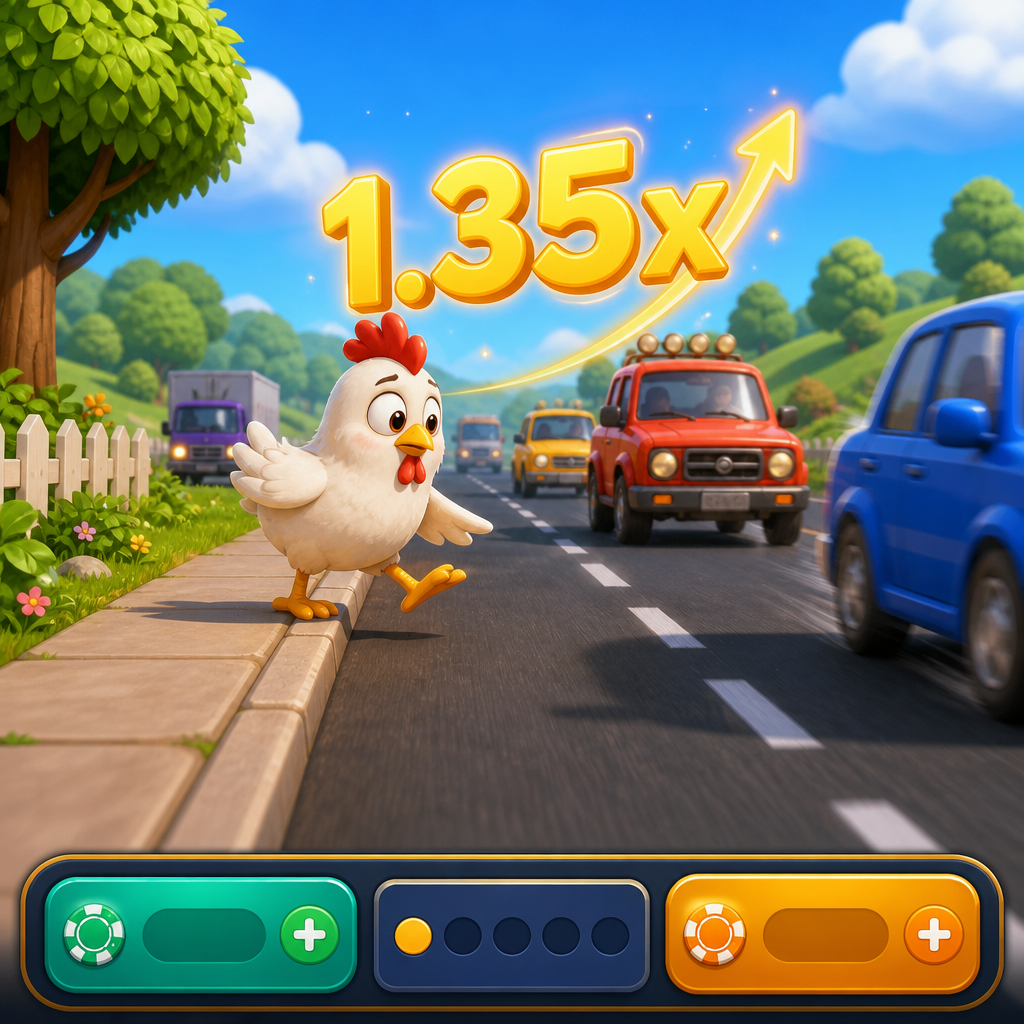
At first glance Chicken Road appears almost like a cartoon scene. A road runs across the screen, traffic moves along it and a chicken prepares to cross. Most versions keep the layout very clean, with only a few key parts players need to keep an eye on. There is the main animation with the chicken, a rising number that shows the current multiplier, and a small panel for placing amounts.
Those who choose to play chicken road typically watch that central multiplier number climb from 1.00x upward. As it increases, the chicken is shown edging further out onto the road. Everything feels playful and slightly tense at the same time, since no one knows at which point the round will end. Because the visuals are so clear, many people say they understand the idea within a single round, even if they are new to crash style games.


Sound effects usually match the colourful look. A short countdown might play before the chicken steps off the kerb, then a rising tone follows the multiplier as it goes up. If the round ends early, there is often a sharp sound as the chicken is sent back to the pavement. It is straightforward, but these small touches help each round feel like a tiny story that lasts only a few seconds.
Step By Step How A Round Works
Although Chicken Road has its own theme, it follows the same basic structure as most crash style mini games. Each round begins with a brief period when players can choose how much they want to place. Once that short window closes, new stakes are locked in and anyone joining late has to wait for the next round.
When the round starts, the chicken steps onto the road and the multiplier begins at 1.00x. From that moment, the number rises smoothly, often quite slowly at first before gaining pace. While this happens, players have a single choice to make, which is when to hit the cash out button. If they cash out while the chicken is still moving, they leave the round with their initial amount multiplied by the value shown on the screen.
At some unpredictable point, the round ends. In Chicken Road this might be shown as the chicken being forced back or the traffic closing in, and the multiplier instantly drops to zero. Anyone who has not cashed out before that moment loses the amount they placed on that round. Because players cannot see in advance when the ending will occur, every cash out is a judgement call between securing a smaller outcome and holding on for a higher multiplier.
Many people approach this in different ways. Some prefer very early cash outs, often around 1.20x to 1.50x, which makes each round feel calm and controlled. Others wait for higher multipliers and accept that some rounds will end before they click. A few use mixed approaches, placing smaller amounts that they allow to run for higher multipliers alongside larger amounts that they cash out early. There is no single correct method, although experienced players often say that sticking to a clear personal plan helps them enjoy the game more.

Why Crash Style Games Attract Attention
Chicken Road and other crash style games have become talking points in local cafés, pubs and on regular cross Solent journeys for a few reasons. Rounds are extremely short, so someone waiting in a ferry queue or sitting on a bus can play for a brief spell without needing a long stretch of free time. The rules are far simpler than many card or slot games, which makes them easy to explain to a friend in a few sentences.
There is also a strong sense of shared suspense. Wherever several people are playing at once, they all watch the same multiplier climb. One person might cash out early, another might hold on for a while longer and a third might wait just a little too long. That creates a social talking point, whether people are in the same room or chatting online while they play.
On the Isle of Wight, this fits well with everyday routines. Some Islanders say they enjoy a couple of rounds during a coffee break, others use a short session to unwind after work. It sits in the same category as other light online entertainment, from puzzle apps to trivia quizzes, where the main appeal is that players can dip in and out without much preparation.
From a legal point of view, real money versions of crash style games in the United Kingdom are treated as gambling products. That means any company offering them to players in Britain must hold the appropriate licence and follow the rules set by the national regulator. Free play versions, which use points rather than money, are sometimes available separately and are used mainly for practice or simple entertainment.
For those who are curious about how Chicken Road works, understanding the basics makes it much easier to follow what is happening on screen. The key idea is that every round has only one decision, which is when to leave, and that the end point is determined by the game rather than by the player. With that in mind, people who enjoy quick, colourful experiences often find Chicken Road an interesting example of how crash style mechanics can be turned into a simple, characterful road crossing scene that fits neatly into modern Island life.