











































Hands-on community creativity is helping to transform futures for marine wildlife thanks to Isle of Wight-based eco-engineers Artecology and a new research collaboration with the University of Plymouth.
Artecology, the Sandown design team behind the award-winning Vertipools innovation, has confirmed that communities can play a direct role in boosting biodiversity on the Island’s built and urbanised coastlines.
The concrete rockpool structures, first developed in 2013, are installed on coastal infrastructure to provide refuge for marine species. Data shows they can deliver a 247% uplift in biodiversity compared to a standard sterile sea wall.


Most recently, the team has pioneered CoCreate — a process where schools, environmental groups and local communities make ceramic inserts from clay to line the pools before deployment. Participants across the South Coast, as well as in Yorkshire and Cumbria, have already contributed.
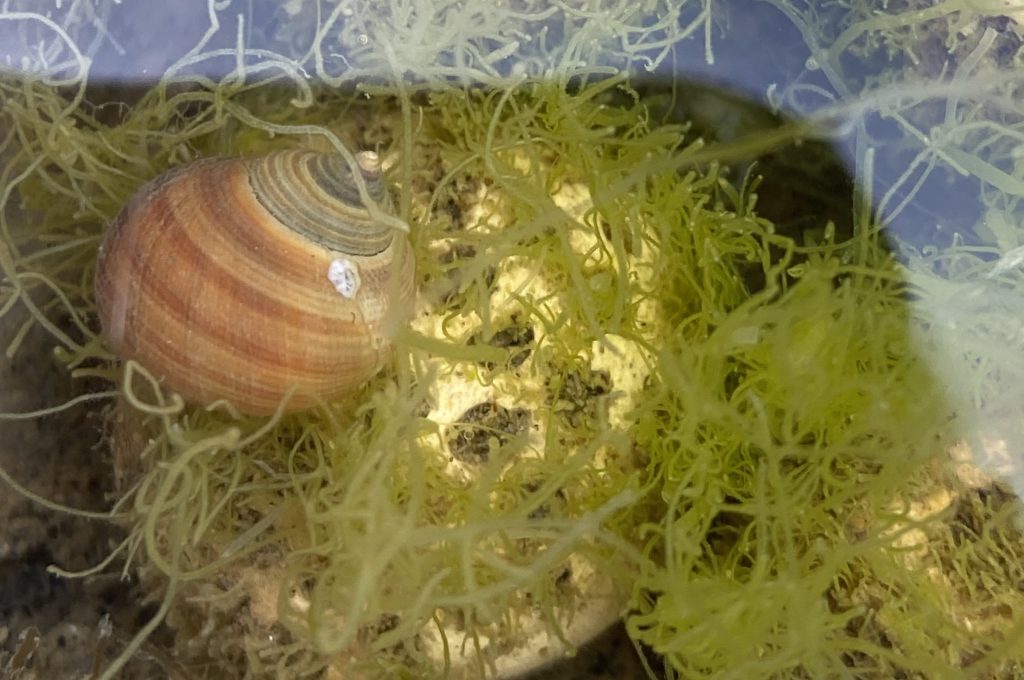
A new University of Plymouth research project has provided the first evidence that these CoCreated pools significantly increase wildlife abundance and variety.
Masters student Claire Beckley, who travelled from Canada to work at Artecology’s Sandown studio, monitored test pools at Science Beach over four months.
She explained:
“We discovered that even in such a short window, the ‘CoCreate’ Vertipools supported over three times as many individual mobile organisms, such as barnacles, compared to controls, with abundance significantly influenced by pool type and increasing over the study period.”
Nigel George, Artecology’s lead, added:
“It’s been a pleasure hosting Claire and collaborating on this first CoCreate research paper with Plymouth. Scientific and policy response to our designs shows that scaling is essential to future resilience in coastal communities around the world. Instead of mass production, this is production by the masses!”
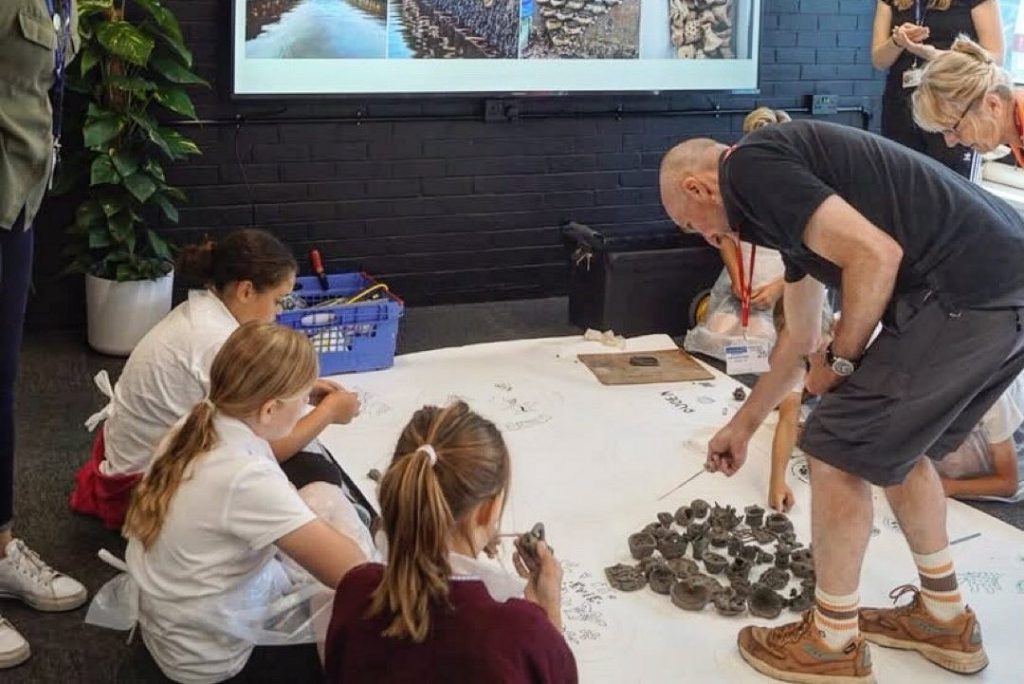
The research highlights how texture, pattern and form — created through human hands rather than machines – directly translate into more complex, bioreceptive habitats. These provide lasting support for species colonisation, from pioneering biofilms through to established marine life.
The process also aligns with the NHS’s five steps to wellbeing, with workshops often incorporating storytelling, song and ceremony alongside ecological design.
Claire concluded:
“CoCreate objects, designed and installed with community involvement, not only enhanced habitat complexity but also provided measurable ecological benefits. This underscores the role of community-driven initiatives in advancing practical biodiversity solutions in urbanised coastal environments.”
Claire’s MSc thesis, Assessing the Effects of Increased Heterogeneity on the Biodiversity of Artificial Tide Pools, is available via www.artecology.space/research-papers.









What a brilliant idea, especially involving children. This is the sort of (biodiversity) thing we need