
























































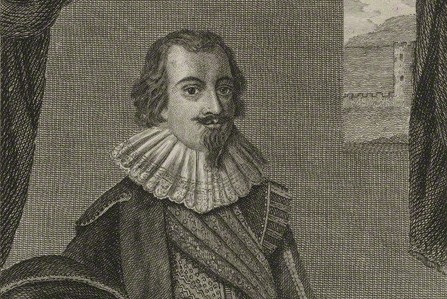
John Oglander – the man who built Nunwell House – died on this day in 1655 – 370 years ago.
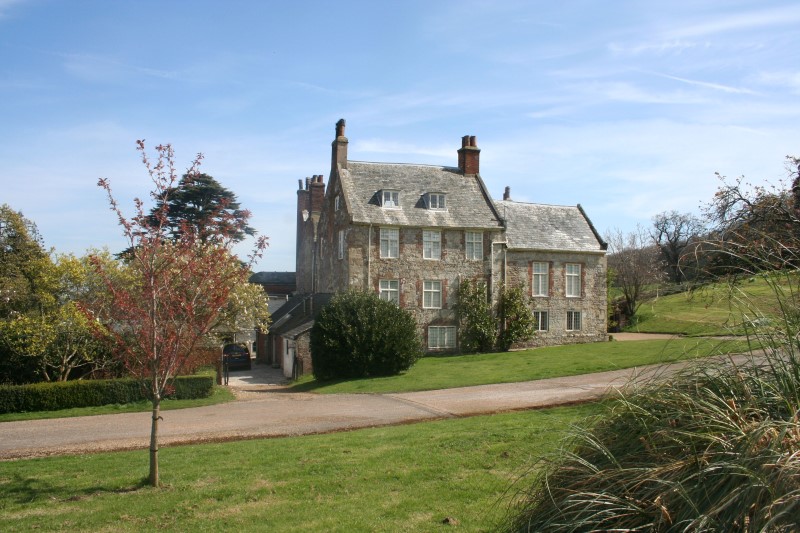
Just outside Brading, Nunwell House stands as a remarkable early 17th-century manor, rebuilt by Oglander on the site of an earlier house. The core of the estate he created still survives, its walls and timber framing reflecting the ambition and taste of a man determined to leave his mark on the Isle of Wight.
Later generations made alterations, but the heart of Nunwell remains Oglander’s work, a tangible link to a turbulent and fascinating past.


Born in 1585, Oglander became one of the Isle of Wight’s most distinctive diarists. His notebooks are filled with observations on local life, customs, and the behaviour of neighbours. Sometimes sharp, sometimes amused, his writing brings the past vividly to life.
He was deeply emotional about his family. On the death of his beloved son George, he wrote some entries with his tears instead of ink. At times of great personal distress, other entries were reportedly written in his own blood.
A traditionalist, Oglander lamented the loss of old customs. He mourned the decline of “honest recreation”, such as the maypole or summer pole, which he felt represented a time of “moore innocent mirth” than his present day.
Oglander’s connections to the monarchy ran deep. In 1627, when Charles I visited the area and stepped ashore at Ryde, Oglander was the only person there to greet him. This early encounter shaped his loyalties during the years of mounting political tension.
A committed royalist, Oglander paid a heavy price during the English Civil War. He was removed from his role as deputy governor and imprisoned twice by Parliamentarian forces. His diaries reveal the strain he endured and the depth of his emotions.

His loyalty to Charles I reached a dramatic peak in November 1647. On the final night before the king was taken into custody at Carisbrooke Castle, Charles stayed at Nunwell House under Oglander’s roof. During the king’s imprisonment, Oglander monitored his safety closely. He took part in discussions about escape attempts and even suggested that Charles might squeeze through a bedchamber window. As fears of informers grew, he later became more cautious in his involvement.
The family’s loyalty did not go unnoticed. After the Restoration, Charles II rewarded their steadfast support by creating Oglander’s son, William, a baronet in 1665.
Oglander also had a keen eye for everyday life. He kept inventories of household goods, noted harvest yields, and commented on the fashions and habits of those around him. These personal touches make his diaries both vivid and relatable, giving a human face to the history of the Isle of Wight.
John Oglander died at Nunwell in 1655 and was buried at Brading. His effigy inside Brading Church remains a lasting reminder of a man whose words and life have carried his world into the present day.
370 years on, John Oglander’s life and writings continue to offer a window into the Isle of Wight in the early 17th century.











Thank you IE – love stories like this about the island and island people.
More please.
I too love these articles, much better than
reading about Numpty motorists speeding
or drink or drug driving.
Keep the stories coming Warren.
Excellent reporting, Warren. Most interesting article.
Great. stuff, huge thanks.