



















































Islanders are being urged to transform their gardens, balconies and green spaces into butterfly-friendly havens this Summer, as part of Butterfly Conservation’s nationwide Big Butterfly Count.
Running from 18th July to 10th August, the Big Butterfly Count invites people across the Isle of Wight to take just 15 minutes to record the butterflies they see. The count comes after last year’s declaration of a ‘Butterfly Emergency’, with data showing 80% of butterflies have declined since the 1970s.


Dr Richard Fox, Head of Science at Butterfly Conservation, has said:
“Following last summer’s Big Butterfly Count results, which showed a significant decline in the number of butterflies participants observed, we need everyone to get involved this year.
“Will butterflies bounce back or will their populations continue to decline following a terrible year in 2024?
“Your counts will help to give us a clear picture and anything you can do to make your garden more butterfly-friendly increases the chances of butterflies surviving, and your chances of seeing them in your garden.”
To support butterfly numbers on the Isle of Wight, Butterfly Conservation is encouraging residents to adopt simple wildlife-friendly practices:

- Let areas of lawn grow wild to create habitats for caterpillars and nectar-rich plants like dandelions and clover
- Choose nectar-rich flowers such as buddleia, lavender and marjoram to support pollinators throughout the season
- Avoid using pesticides and insecticides, which can harm butterflies and other beneficial insects
- Deadhead flowers regularly to prolong blooming and attract butterflies for longer
- Opt for peat-free compost to protect vital peatland habitats, including those supporting species like the Large Heath butterfly
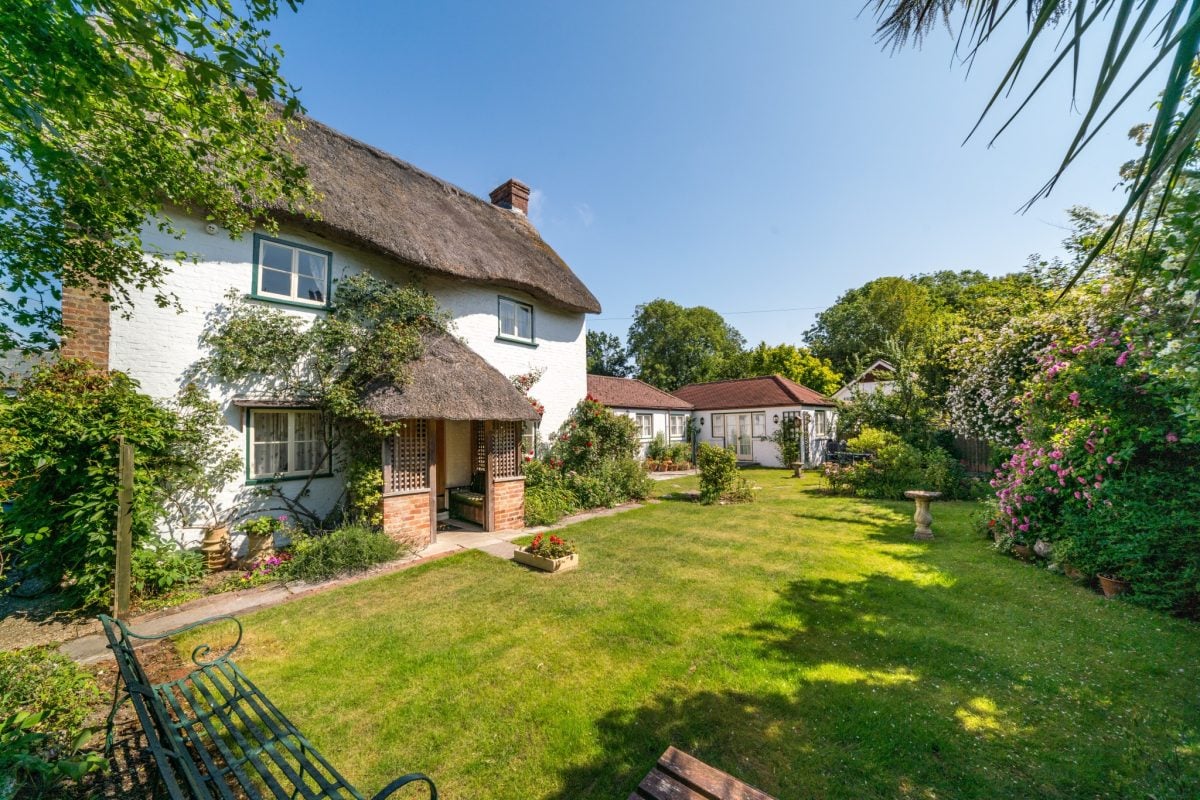
Gardens across the Isle of Wight can play a crucial role in reversing butterfly decline, especially as many species rely on urban and rural green spaces to survive.
Taking part in the Big Butterfly Count is easy. Simply download the free app or use the butterfly ID chart from www.bigbutterflycount.org, then spend 15 minutes spotting and recording butterflies between 18th July and 10th August.
All data collected helps conservationists understand how butterflies are faring and where urgent action is needed.










Too late for this year, let’s hope people do it for next year, earlier than the end of May!